


How to Style a Minimalist Home

Minimalist home decorating involves seeking the perfect interplay between open space, light, colour and furnishing. And while the concept pretty much speaks for itself, don’t think for a second it’s easy to pull off.

Solar Panels and Battery Storage: Achieving Energy Independence at Home

Solar Panels and Battery Storage: Achieving Energy Independence at Home

Rooftop solar panels provide clean, renewable power and lower utility bills. But matching solar energy generation to your household’s usage still requires a grid connection. The folk at Vivint Solar say that adding a solar battery system allows homeowners to tap into sun power anytime, achieving true energy independence. 

How Solar Battery Storage Functions

Solar panels produce direct current (DC) electricity whenever sunlight strikes their surface. This energy is converted to standard alternating current (AC) using inverters, so it is usable in your home. Any excess solar power not immediately consumed flows out to the utility grid.

With a solar battery, this excess energy gets stored in batteries rather than sent to the grid. The batteries then discharge power in the evening when solar production ceases. This cycle charges the batteries from the panels during daytime and powers your home using the stored energy at night. 

During a grid failure, the batteries continue supplying solar electricity. A battery management system oversees automatically switching between solar, battery and utility grid power as needed throughout each day.

Cutting Electricity Draw from the Grid

Adding battery storage allows your home solar system to rely much less on the traditional electric grid. Solar panels charge the batteries rather than exporting excess power to the grid. Then, overnight or during cloudy periods, you tap into the stored solar energy in batteries instead of drawing from the utility.

By covering more evening/nighttime loads with stored solar, average households can potentially supply 60% to 80% or more of their total usage with self-generated renewable energy. Solar battery systems provide a path to near or complete energy independence using free sunshine as fuel.

Going Off-Grid Permanently

With large enough solar arrays and battery capacity, some homeowners disconnect from the grid entirely. An off-grid solar design requires batteries substantial enough to power the home around the clock, even through multiple days of clouds or storms when solar output is minimal.

Living fully off-grid eliminates electric bills but requires vigilant power management. Without the grid as backup, excess daytime solar power must be prioritized for charging batteries to endure periods without sun. Conservation and efficiency are key to maintaining reserves.

Back-up Generators Still Recommended

Most solar battery systems keep a grid connection rather than going completely off-grid. Maintaining grid access provides a crucial backup to supplement batteries when needed. And grid power sometimes costs less than running down battery reserves you’ll have to recharge later.

Experts still recommend a back-up generator even with battery storage. Severe weather or other emergency grid failures can last multiple days, draining batteries faster than solar panels can replenish. A generator like those running on propane serves as an insurance policy.

Emergency Power Resilience 

Keeping your home livable during blackouts provides tremendous peace of mind. Solar battery systems with smart inverters continue supplying AC power to home circuits when the grid goes down. Refrigerators, lighting, charge electronics and critical medical devices stay operational for days using your stored solar energy. 

Compare that to the scrambling required with a generator – checking fuel levels, hauling it outdoors, connecting it safely to your home, etc. Solar energy storage provides automatic uninterrupted power even if you are away when an outage hits.

Conclusion

Experts emphasize that advancing solar power to reach its potential depends on continuing battery storage technology improvements. As storage capacity grows and costs keep decreasing, managing solar energy supply and demand will enable renewable energy to ultimately dominate.

Home solar battery systems already provide independence from the utility grid, emergency backup power, and financial savings. Innovations underway soon unlock the full promise of your home solar panels by storing their valuable energy output for use anytime you need it.

Problems Your Home Survey Might Find


Problems your home survey might find

Getting a home survey is often an underestimated step in the homebuying journey. 

After the initial excitement of finding a potential dream home, the process of understanding its structural and functional integrity begins. 

A home survey offers peace of mind by unveiling any lurking issues in your would-be residence. Here’s why obtaining a home survey and a list of the common problems that might emerge is paramount.

What is a home survey?

A home survey is a comprehensive inspection conducted by a professional – usually a chartered surveyor, like GB Home Surveys – to assess the condition of a property. 

Think of it as a health check for homes. While outward appearances might be deceiving, a home survey delves deeper, scrutinising visible and underlying issues to provide a detailed report on the property’s condition.

The home survey report becomes a valuable tool for the buyer, equipping them with knowledge, which is imperative when making one of the most significant financial decisions of their life. 

Whether renegotiating the property’s price, understanding potential future repairs or deciding if the investment is worth it, a home survey is an indispensable guide.

The importance of getting a home survey

With a comprehensive understanding of the property’s condition, you can decide with clarity whether to proceed with the purchase, renegotiate the offer or look for a different property.

A home survey can flag potential repairs and maintenance you’ll need to undertake. This insight is vital in budgeting and negotiating the home’s price.

Above all, your new home should be a safe haven. A home survey ensures no hidden dangers lurk within its walls, floors or foundations.

Common problems uncovered by home surveys

Many homes have issues, either obvious or hidden, that can affect their value and cause problems later down the line. Some of the most common problems a home survey aims to uncover include: 

  • Damp: One of the most frequently encountered problems is damp. Whether it’s rising damp from the ground, penetrating damp from external walls or condensation-related issues, damp can lead to mould growth and structural damage if left unchecked.
  • Structural integrity: Any signs of a building having shifted on its foundations, such as bulging walls or cracks, can be a significant concern. Causes range from tree roots and subsidence to inadequate structural repairs.
  • Roof problems: Roofs have a lifespan. From missing tiles, sagging or wear and tear to more severe issues like woodworm in roof timbers, roofing issues can lead to water ingress and substantial repair costs.
  • Faulty wiring: Outdated or subpar electrical systems are expensive to fix and can also be a fire hazard. A home survey can highlight areas needing an electrical overhaul.
  • Poor insulation: Inadequate insulation can lead to escalating heating bills. If a home is not sufficiently insulated, it’s essential to know upfront to prepare for higher energy costs or the expense of adding insulation.
  • Plumbing and drainage issues: Old or faulty plumbing can result in low water pressure, leaks or even the risk of pipe bursts. Moreover, drainage issues can lead to damp or, in severe cases, structural damage.
  • Woodworm, rot and infestations: While woodworm holes might look harmless, they can compromise the structural integrity of the timber. Similarly, rot, if unchecked, can damage wooden structures. Infestations, whether rodents or insects, can pose hygiene concerns and potential structural issues.
  • Windows and doors: Inefficient sealing or outdated single glazing can lead to heat loss. Problems with window frames, such as rotten wood, can also lead to future expenses.
  • Asbestos: Asbestos, particularly in older properties, can be a significant concern due to the health risks associated with its fibres. Identifying and safely removing asbestos is vital.
  • Legal issues: A home survey can highlight boundary disputes, rights of way issues or problems with planning permission and building regulations. While not physical issues, these can become significant hurdles in the homebuying process.

Why you need a home survey

Unveiling the secrets that a home might be hiding is crucial for every prospective buyer. 

While a property might appear perfect during a viewing, underlying issues can turn a dream home into a financial and emotional nightmare. It’s like peeling an onion; each layer might reveal something new. 

This is where a home survey becomes invaluable. By understanding potential problems beforehand, you’re in a position of knowledge and power. 

You can make a well-informed decision, negotiate a better price, or set aside funds for future repairs. It’s always better to tread with caution and insight, ensuring your investment is sound for years to come.

The Common Options for Commercial Air Conditioning

The Common Options for Commercial Air Conditioning

Cooling or heating a commercial space is a very different proposition to air conditioning a standard home.

There’s size to consider, available air conditioning technology to factor in, and the cost of maintaining climate control within a commercial stetting.

Here’s a rundown of the common options available when it comes to commercial air conditioning

Chilled water systems

Suited to very large commercial spaces like factories, shopping centres, and airports, chilled water systems use water as a secondary refrigerant.

This water is cooled by refrigerant then piped through each room to lower the temperature. Known as versatile and efficient, chilled water systems are excellent at cooling large, open commercial spaces, but they do come at a cost in terms of installation.

Variable refrigerant flow (VRF) systems

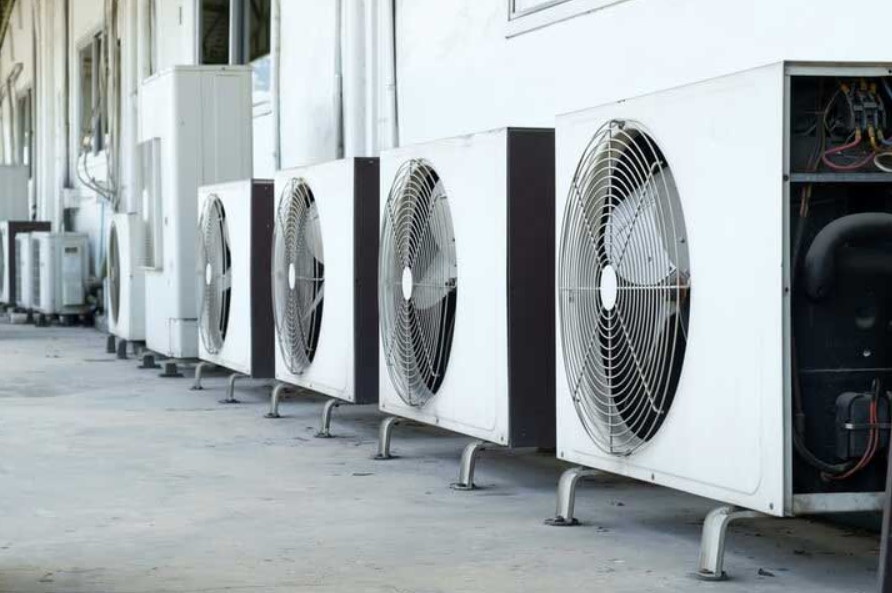
Common in locations like hospitals, schools, office blocks and hotels, variable refrigerant flow systems allow individual areas to be heated and cooled separately.

The technology employs one outdoor unit to control multiple indoor units, and the term variant refrigerant flow refers to their ability to control the flow of refrigerant to each of these indoor units.

VRF is renowned for its excellent controllability and efficiency, and can boast significant energy (and cost) savings when compared to traditional units.

It also features superior dehumidification ability.

Large split ducted systems

Large split ducted systems work in much the same way as the ducted systems utilised in homes. They utilise one exterior unit to channel heat or cold through ducted piping to specific zones.

Ducted split systems allow users to control areas of an office or building, switching these zones off when not in use.

These systems are renowned as extremely quiet and also offer excellent air quality.

Split systems and multi-split systems

Split air conditioning systems are generally employed in commercial settings where one specific area or just a couple of areas need to be cooled.

They are generally more suited to small offices and restaurants rather than large commercial premises. Split systems and multi-split systems work in much the same way as standard home air-conditioning where individual units are installed to heat or cool individual areas.

This offers the ability to only use the air conditioner when required and to utilise each system to heat or cool to a different extent.

So, for example, in a small restaurant, one air conditioner might be used to cool the front of house, while a second air conditioner in the kitchen might be set to a lower temperature to keep kitchen staff cool.

Which system?

Each commercial space is different, and when it comes to deciding which system would best suit your needs, you should seek the advice of a reputable commercial air conditioning installer who can assess the building and devise a system that best suits your needs.

About Climacool

Servicing the greater Sydney region, Climacool Air Conditioning prides itself on superior service and quality workmanship.

We work with the leading brands in the field of heating and cooling, and have an enviable reputation for meeting the needs of our valued commercial clientele in air conditioning installation, service, and repairs.

You can learn more about our commercial services here, or contact us directly for assistance in selecting, installing and maintaining the right air conditioning system for your business.

Securing Your Investment: Why Home Buyers in London Should Opt for CCTV Drain Surveys

Securing Your Investment: Why Home Buyers in London Should Opt for CCTV Drain Surveys

The Hidden Imperative: Unveiling the Importance of CCTV Drain Surveys for London Home Buyers

For prospective home buyers in the vibrant city of London, the excitement of finding the perfect property can often overshadow the importance of thoroughly assessing the unseen aspects that lie beneath the surface. While architectural charm, location, and interior aesthetics are critical factors, it’s equally vital to delve into the less glamorous but essential elements that safeguard your investment. One such element that demands attention is the drainage system, and this is where the significance of CCTV drain surveys comes into play.

Beneath the Facade: Unseen Vulnerabilities

London’s historic and diverse neighbourhoods house an array of properties, each with its unique charm and character. However, the aging infrastructure that often accompanies these properties can lead to hidden vulnerabilities, especially within their drainage systems. Over time, drainage systems can face numerous challenges, including:

  • Blockages: Accumulated debris, grease, and even tree roots can obstruct the smooth flow of wastewater, leading to backups, foul odours, and potential health hazards.
  • Structural Deterioration: Age, wear and tear, and harsh weather conditions can cause pipes to weaken, crack, or collapse, potentially resulting in property damage and costly repairs.
  • Leakage and Infiltration: Undetected leaks can erode the foundation, damage property, and contribute to mould growth, posing both financial and health risks.
  • Long-Term Resilience: Understanding the current state of the drainage system is essential for predicting its long-term resilience against potential challenges.

The Power of CCTV Drain Surveys

CCTV drain surveys London are a technological solution that enables home buyers to gain a comprehensive understanding of the hidden drainage system before making a purchase. These surveys utilize high-resolution cameras mounted on robotic crawlers to navigate the underground network, capturing real-time footage of its interior conditions. This process allows potential buyers to assess the health of the drainage system and make informed decisions based on accurate information.

The Survey Process

The process begins with the insertion of the camera-equipped crawler into the drains. As it moves through the pipes, it captures clear visuals of the interior conditions. The footage is transmitted to technicians above ground, who analyse the images for signs of blockages, leaks, structural issues, and more. This immediate insight empowers buyers to address potential problems before they become costly headaches.

Empowering Home Buyers

CCTV drain surveys are not merely an optional add-on to the home buying process; they are a crucial investment in ensuring the long-term viability and value of your property. Here’s how these surveys empower home buyers:

  • Informed Decision-Making: A clear understanding of the drainage system’s condition allows buyers to make informed decisions, factoring potential repairs and maintenance into their purchase choices.
  • Prevention Over Cure: Identifying issues prior to purchase enables buyers to negotiate repairs or ask for adjustments in the sale price, saving money in the long run.
  • Property Value Protection: A documented record of drainage system health is valuable for preserving the property’s value over time.
  • Peace of Mind: Knowing that the drainage system is in good condition provides peace of mind, reducing potential future stress and uncertainty.

Stay tuned as we uncover how embracing technology can empower London home buyers to secure their investments and make informed choices for a prosperous future.

Empowering Smart Choices: The Technical Marvels and Broader Benefits of CCTV Drain Surveys

We have uncovered the hidden vulnerabilities within drainage systems and the need for thorough assessments before making a purchase. Now, let’s dive deeper into the technical intricacies of CCTV drain surveys and the wider benefits they offer to prospective property buyers.

The Technology Behind the Scenes

CCTV drain surveys are a testament to the fusion of technology and expertise, offering an invaluable peek into the hidden world of drainage systems. Here’s a closer look at the technological elements that drive these surveys:

  1. High-Resolution Cameras: The core of any CCTV survey lies in its high-resolution cameras. These cameras are equipped with powerful LED lights that enable them to capture clear visuals of the interior conditions of the drains.
  2. Remote Navigation: The use of robotic crawlers with mounted cameras is a game-changer. These crawlers can be remotely controlled to navigate the twists and turns of the pipes, capturing detailed imagery even in the most inaccessible areas.
  3. Real-Time Insight: The real-time transmission of footage allows technicians to monitor the survey as it unfolds. This immediate access to information enables quick assessments and the identification of potential issues on the spot.
  4. Expert Analysis: The captured footage is then analysed by drainage experts who can detect a range of issues, from blockages to structural damage. This analysis provides a comprehensive evaluation of the drainage system’s health.

Wide-Ranging Benefits

Beyond the technical details, CCTV drain surveys offer a host of advantages that make them a wise investment for home buyers:

  • Holistic Property Evaluation: Conducting a CCTV survey provides a more comprehensive property evaluation, considering both the visible and hidden aspects of the property’s condition.
  • Informed Negotiations: Armed with knowledge about the drainage system’s health, home buyers can negotiate with sellers to account for potential repairs or adjustments in the sale price.
  • Preventive Measures: Addressing drainage issues before they escalate prevents future disruptions and saves money that would otherwise be spent on extensive repairs.
  • Property Value Preservation: Maintaining a healthy drainage system contributes to preserving the value of the property over time.
  • Future Planning: Understanding the condition of the drainage system enables buyers to plan for potential maintenance, repairs, or upgrades in the future.
  • Peace of Mind: Knowing that you’re making a well-informed decision provides peace of mind, eliminating the stress and uncertainty that can arise from unexpected drainage problems.

An Informed Path Forward

As we conclude our blog the pivotal role of CCTV drain surveys in aiding London home buyers becomes evident. These surveys empower buyers to go beyond the surface and make informed choices that protect their investments for years to come. By embracing technology to uncover hidden vulnerabilities, prospective property owners can embark on their homeownership journey with confidence and clarity.

PH LEVEL AND TOTAL ALKALINITY: WHAT THEY MEAN FOR YOUR HOT TUB WATER

PH LEVEL AND TOTAL ALKALINITY: WHAT THEY MEAN FOR YOUR HOT TUB WATER

Whether you already have a hot tub or are considering purchasing one, it’s crucial to understand how to balance the chemical levels in your water to ensure it is clean, healthy, and safe for users. This article explains why maintaining a hot tub’s optimal condition and the efficiency of its sanitizers depends on maintaining a balance between total alkalinity and pH.

Total alkalinity and pH are closely related, and controlling them is essential to hot tub water care. Alkalinity adjustments also affect pH adjustments, and vice versa. Since high pH levels are far more challenging to control, we advise correcting your total alkalinity balance first since it serves as a buffer and avoids quick pH changes.

What does total alkalinity mean?

The amount of dissolved alkaline compounds in water is known as total alkalinity. It needs to be balanced appropriately since it helps regulate pH. You must keep the total alkalinity level in your hot tub between 80 and 120 mg/l ppm. Maintaining pH balance becomes challenging when levels are above or below this range.

Less than 80 mg/l ppm can make your water caustic and acidic and possibly harm or taint the surfaces of your hot tub. If the alkalinity falls, algae may bloom, making your hot tub unsightly. Your water may get hazy over 120mg/l ppm, and scale may begin to form on your pool’s surfaces and equipment.

What contributes to a hot tub’s high alkalinity?

High alkalinity can be brought on by adding an excessive amount of chemicals, microbes, or body fluids like sweat or lotions. The same is true if you reside in a region with hard water.

What causes a hot tub to have low alkalinity?

Using a hot tub cover is advisable since rainwater can lower alkalinity levels and produce an acidic pH. Low-pH chlorine pills can also have an impact on it.

What do pH values mean?

PH levels use a pH scale to determine how acidic or alkaline the water is. It is calibrated from 0 to 14, with 7 being neutral or balanced. You should maintain your hot tub’s Ph level between 7.2 and 7.8.

If it’s 7.2 or lower, your water is overly acidic, which might make your sanitizer less effective and cause eye burn and itching. High acidity can also cause expensive damage to the components of your hot tub. Scale buildup, foam, and cloudy water are all possible effects of pH levels of 7.8 or higher and high alkalinity. Maintaining proper pH levels keeps your bathers more comfortable, prevents scale and calcium buildup, and prevents corrosion in your tub.

How can you check the pH and total alkalinity in your bathtub? 

We advise measuring the pH, total alkalinity, and sanitizer levels by using dip test strips. They are simple to use and give quick, precise readings, allowing you to modify the chemical balance.

Regular hot tub water tests

Depending on how regularly you use your hot tub, we advise testing the water in your spa at least once a week to maintain it fresh and clean.