How to Style a Minimalist Home

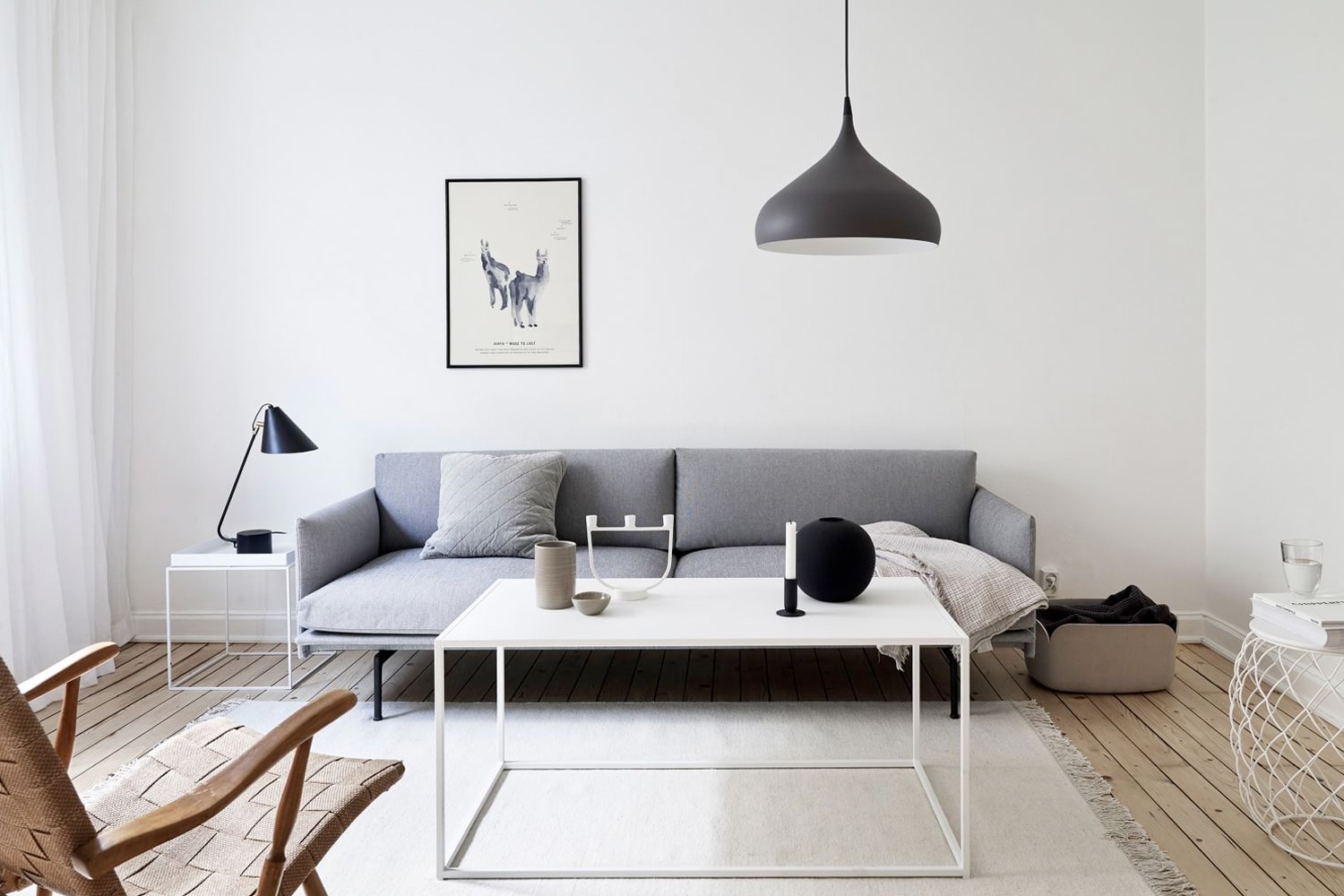
Minimalist home decorating involves seeking the perfect interplay between open space, light, colour and furnishing. And while the concept pretty much speaks for itself, don’t think for a second it’s easy to pull off.

Nurturing Young Fruit Trees: Tips for the First Five Years

Nurturing Young Fruit Trees: Tips for the First Five Years

Growing fruit trees in Britain can be a rewarding experience, yielding fresh produce right from your garden. However, the first five years are crucial for setting the foundation for a healthy and productive tree. This guide will provide you with expert tips on nurturing young fruit trees, ensuring they thrive and eventually produce bountiful harvests.

Choosing the Right Location

The success of your fruit tree begins with selecting the ideal location. Fruit trees require plenty of sunlight, ideally at least six hours a day. Choose a spot with good air circulation to reduce the risk of fungal diseases. Avoid areas prone to frost pockets as these can damage young trees. The soil should be well-draining; waterlogged soils can lead to root rot.

One should perform a soil test before to planting in order to ascertain the pH and nutrient levels of the soil. The majority of fruit trees love a pH that ranges from slightly acidic to neutral (6.0-7.0). Make the necessary adjustments to your soil if it is either too acidic or too alkaline. The addition of organic matter, such as compost, has the potential to enhance the structure and fertility of soil.

Planting Your Fruit Tree

Planting fruit trees correctly sets them up for healthy growth. According to a guide on fruit trees, the best time to plant fruit trees is during the dormant season, typically late autumn to early spring, when the tree is not actively growing. Dig a hole twice as wide as the root ball and slightly deeper. This gives the roots enough space to spread and establish.

Carefully remove the tree from its container, gently teasing out any circling roots. Place the tree in the hole, ensuring the graft union (the swollen area on the trunk where the tree was grafted onto the rootstock) is above soil level. Backfill the hole with the excavated soil, firming it gently around the roots to eliminate air pockets. Water the tree thoroughly to settle the soil.

Watering Young Trees

Young fruit trees need regular watering to establish a strong root system. For the first year, water your tree deeply once a week, increasing to twice a week during hot, dry spells. The goal is to keep the soil consistently moist but not waterlogged. As the tree matures, reduce the frequency of watering but increase the amount each time to encourage deep root growth.

Using mulch around the base of the tree helps retain soil moisture, suppress weeds, and regulate soil temperature. Apply a 2-3 inch layer of organic mulch, such as wood chips or straw, but keep it a few inches away from the trunk to prevent rot.

Feeding and Fertilizing

Young fruit trees benefit from regular feeding to support their growth. In the first year, use a balanced fertilizer, such as 10-10-10, applied in early spring and again in midsummer. Follow the manufacturer’s instructions for the correct amount. Avoid over-fertilizing, as this can lead to excessive leafy growth at the expense of fruit production.

In subsequent years, switch to a fertilizer formulated for fruit trees, which typically has higher potassium and phosphorus levels to promote flowering and fruiting. Incorporate organic fertilizers, like compost or well-rotted manure, into your feeding regimen to improve soil health and structure.

Pruning and Training

Pruning is essential for shaping your fruit tree, removing dead or diseased wood, and encouraging productive growth. The best time to prune is during the dormant season, late winter to early spring, before the buds break.

In the first year, focus on establishing a strong framework. Remove any damaged or crossing branches, and trim the central leader (main vertical shoot) to encourage lateral branching. In subsequent years, continue to shape the tree, maintaining an open structure to allow sunlight penetration and air circulation.

Different fruit trees require specific training methods. For example, apples and pears often benefit from a central leader system, while stone fruits like peaches and plums can be trained into an open center or vase shape. Proper training ensures your tree develops a strong structure capable of supporting heavy fruit loads.

Pest and Disease Management

Young fruit trees are vulnerable to pests and diseases, so proactive management is crucial. Regularly inspect your trees for signs of trouble, such as discolored leaves, holes, or unusual growths. Common pests include aphids, caterpillars, and scale insects, while diseases like apple scab, peach leaf curl, and fire blight can affect various fruit trees.

Implement integrated pest management (IPM) practices to minimize damage. Encourage beneficial insects, such as ladybirds and lacewings, which prey on common pests. Use barriers like tree guards to protect against rodent damage. For diseases, select resistant varieties and practice good sanitation by removing fallen leaves and fruit.

If pests or diseases become problematic, consider using organic or chemical controls. Horticultural oils and insecticidal soaps can manage insect pests, while fungicides may be necessary for persistent fungal issues. Always follow the label instructions and safety guidelines when using any treatments.

Thinning Fruit

Thinning is a vital practice for ensuring your tree produces large, high-quality fruit. In the first few years, it’s especially important as young trees can struggle to support a heavy crop load. Overloaded branches are more likely to break, and the fruit may be small and poorly developed.

Once your tree begins to set fruit, usually in the third or fourth year, thin the fruits when they are about the size of a marble. Remove excess fruit, leaving one fruit every 4-6 inches. This reduces stress on the tree, prevents branch breakage, and improves the size and quality of the remaining fruit.

Staking and Support

Proper support is essential for young fruit trees, particularly in windy areas. Staking helps stabilize the tree and encourages upright growth. Use a sturdy stake driven into the ground next to the tree, and attach the trunk to the stake with soft ties. The ties should be loose enough to allow some movement but firm enough to support the tree.

Regularly check the ties to ensure they are not too tight, as this can damage the bark and restrict growth. Once the tree has established a strong root system, usually after one to two years, you can remove the stake.

Protecting from Wildlife

Young fruit trees are often targets for wildlife, including deer, rabbits, and birds. These animals can cause significant damage by feeding on leaves, bark, and fruit. To protect your trees, consider using physical barriers such as fencing or netting.

Tree guards can prevent animals from chewing on the bark, while bird netting can protect ripening fruit. Scare devices, such as reflective tape or predator decoys, may also deter birds. Regularly inspect and maintain these protections to ensure they remain effective.

Monitoring Growth and Health

Consistent monitoring is key to nurturing healthy fruit trees. Keep a garden journal to track your tree’s growth, noting any issues or changes. Regularly measure the trunk diameter, check for signs of pest or disease problems, and assess overall health.

Seasonal care tasks, such as pruning, feeding, and watering, should be scheduled and documented. This proactive approach allows you to address problems early and adjust your care practices as needed.

Patience and Persistence

Growing fruit trees is a long-term investment that requires patience and persistence. The first five years are critical for establishing a strong, healthy tree that will provide fruit for many years. By following these expert tips, you’ll set your young fruit trees on the path to success, ensuring a fruitful and rewarding gardening experience.

Harvesting and Enjoying the Fruits of Your Labor

After years of careful nurturing, your fruit trees will finally begin to bear fruit. Harvesting times vary depending on the type of fruit tree, but most will start producing a small crop within three to five years. Knowing when to harvest is essential for enjoying the best flavor and texture.

For apples and pears, the fruit should come off the tree easily when lifted and twisted. Stone fruits, such as cherries and plums, are ready when they have a rich color and come off the tree with a gentle pull. Always handle fruit gently to avoid bruising, and store them properly to maintain freshness.

Enjoy the fruits of your labor fresh from the tree, or preserve them through canning, freezing, or drying. Sharing your homegrown produce with friends and family can be one of the most rewarding aspects of growing fruit trees.

Adapting to Challenges

Growing fruit trees in Britain comes with its unique set of challenges, including unpredictable weather, pests, and diseases. Flexibility and adaptation are crucial for successful fruit tree cultivation. Stay informed about local weather patterns and be prepared to protect your trees from late frosts or heavy rains.

Networking with other local gardeners can provide valuable insights and support. Local gardening clubs or online forums are excellent resources for advice and sharing experiences. Embrace the learning process and be willing to adjust your practices as needed.

Sustainable Practices for Long-term Success

Incorporating sustainable practices in your orchard management not only benefits the environment but also promotes the long-term health of your fruit trees. Use organic mulches and fertilizers, practice crop rotation with annual garden plants, and conserve water through efficient irrigation systems.

Consider planting a diverse range of fruit trees and companion plants to create a balanced ecosystem that supports beneficial insects and wildlife. Sustainable gardening practices lead to healthier soil, reduced pest and disease pressure, and more resilient fruit trees.

Conclusion

Nurturing young fruit trees requires dedication, knowledge, and patience. By choosing the right location, planting correctly, and providing consistent care through watering, feeding, pruning, and protection, you can ensure the healthy growth of your trees. Monitoring their progress, adapting to challenges, and employing sustainable practices will lead to a fruitful and rewarding gardening experience. With time and effort, your young fruit trees will flourish, providing you with delicious homegrown fruit and the satisfaction of a successful harvest.

The Ultimate Guide to Troubleshooting Common Air Conditioner Problems

The Ultimate Guide to Troubleshooting Common Air Conditioner Problems

Is your air conditioner not functioning as it should? Are you experiencing issues like a lack of cool air, strange noises, or leaking water? If so, don’t worry! You’re not alone. Air conditioners are complex machines with many components that can fail or malfunction. This guide will walk you through common air conditioner problems and how to troubleshoot them. Make sure to hire a professional air conditioner repair in Cedar Rapids for more serious issues or assistance.

Lack of Cool Air

If your air conditioner is not producing cool air, it could be due to various reasons. The first thing you should check is your thermostat setting. Ensure it is set to “cool” and the temperature is lower than the current room temperature. If the settings are correct, the issue may lie with your filters. Dirty or clogged filters can restrict airflow, making it difficult for your AC unit to cool the air. Clean or replace the filters and see if that solves the problem. If not, there may be an issue with your compressor or refrigerant levels, which will require professional help.

Strange Noises

Unusual noises coming from your air conditioner can indicate a problem. A rattling noise could mean that there is a loose component, such as a bolt or screw, inside the unit. Turn off the power to your AC and inspect the exterior for any visible signs of loose parts. If you cannot find anything, it’s best to call a professional technician to diagnose and fix the issue.

Leaking Water

Water leaks from your air conditioner can indicate a clogged condensate drain line or a frozen evaporator coil. If you notice water pooling around your unit, turn off the power and inspect the drain line for any blockages. If there are no obstructions, it may be due to a faulty condensate pump or a frozen evaporator coil. In this case, it’s best to call for professional help, as attempting to fix these issues yourself can lead to further damage.

Uneven Cooling

If some rooms in your home are cooler than others, it could be a sign that your AC unit is not distributing cool air evenly. Check the vents and make sure they are open and unobstructed. If the issue persists, it may be due to an improperly sized unit or a problem with your ductwork. Contact a professional technician to assess the situation and provide appropriate solutions.

Foul Odors

Foul smells from your air conditioner can be caused by mold or mildew growth inside the unit. This is often due to excess moisture, which can occur if the unit is not properly draining. Clean your AC filters regularly and inspect the drain line for any clogs. If the smell persists, it may be necessary to call a professional to thoroughly clean and sanitize the unit.

Short Cycling

Short cycling occurs when your air conditioner turns on and off frequently without completing a full cooling cycle. This can be caused by a dirty condenser coil, an incorrect thermostat setting, or a faulty compressor. First, clean the condenser coil and check the thermostat settings. If those are not the issues, it’s best to call for professional assistance to diagnose and repair any underlying problems.

In conclusion, troubleshooting common air conditioner problems can be done with a little bit of knowledge and some simple steps. However, it’s always best to call for professional help if you are unsure or uncomfortable handling any issues. Don’t hesitate to call the pros today!

Learn To Choose The Best Wine Fridges

Learn To Choose The Best Wine Fridges

Many wines benefit from age, but storing your greatest bottles in the incorrect conditions can do more harm than good. This is when a wine fridge comes in handy. Wine fridges are meant to keep your wines in the best possible condition for long-term preservation, but how do you choose the appropriate one?

The ideal temperature for wine storage

The ideal temperature for long-term wine preservation is 12-18°C for both red and white wine. Maintaining this temperature without a wine fridge is challenging, and maybe equally important, wine fridges keep this climate consistently.

Temperatures for storing and serving are not the same. Temperature changes can impact the subtle flavors, so let your reds warm slightly and your whites chill before pouring.

Though your reds do not require to be at room temperature to taste their best, and the kitchen fridge is a little too cold to do a decent white justice.

Is it possible to merely utilize a bar fridge?

When shopping for the finest wine fridge, there are more factors to consider than when looking for the best normal fridge. Wine refrigerators differ from regular refrigerators in various ways. They’re designed to keep temperatures consistent between 12°C to 18°C, which is warmer than a standard bar fridge. 

They’re also intended to control humidity (at roughly 70%), which your bar fridge cannot. While a bar fridge can be rough and ready equipment, wine fridges have been created to reduce vibration and come with designed wine shelves.

Thermoelectric OR Compressor

The cooling method of your wine fridge will influence both vibration levels and price. Because of their mechanical character, compressor-type wine refrigerators have higher vibration levels, but they are less expensive than thermoelectric fridges. 

The debate over whether the vibration levels in a compressor-type wine cooler are significant enough to impair the flavor of your wine continues.

Temperatures are also more stable and controlled with thermoelectric refrigerators. While the thermoelectric cooling method is vibration-free, you will still experience some vibration from the fan, but to a much lesser level than with a compressor.

Will you store your wine in your wine fridge or serve it?

Most wine fridges are purchased for long-term cellaring, but if you want to serve directly from your wine fridge, seek one with multiple temperature zones. These usually have a separator between portions that allows you to keep bottles at various temperatures in various regions of the fridge.

Will your wine be displayed or stored?

Consider where you want the wine fridge to go and how much space it will require. Models might be as tiny as 85cm high (to fit under a kitchen bench) or as tall as a full-sized fridge.

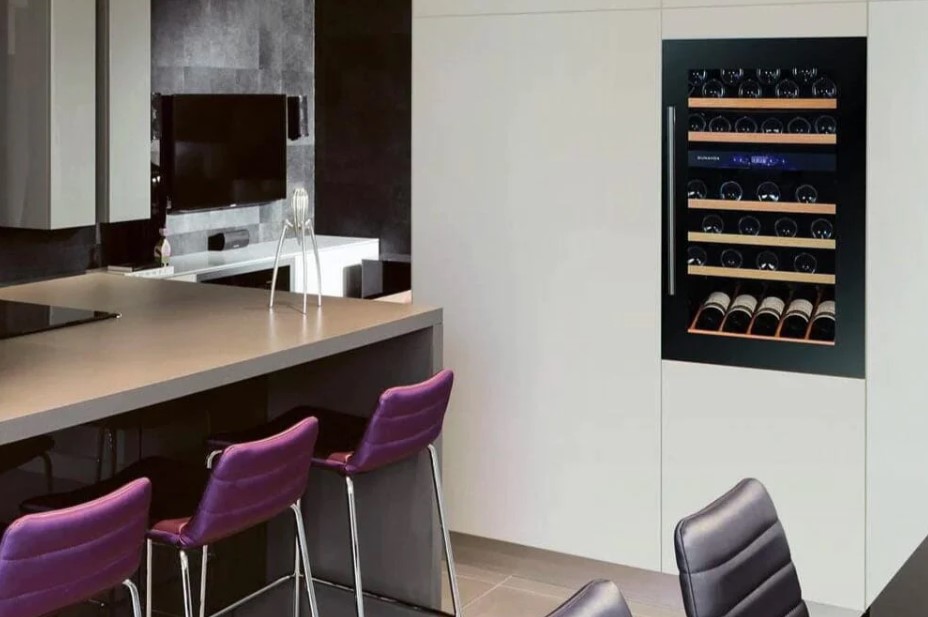
A wine fridge put beneath your benchtop or in your cabinets may be a wonderful focal point if you’re upgrading your kitchen or outdoor gathering area, and there are various varieties that allow for combined installation.

What size do you require?

Wine refrigerators range in size from a few dozen bottles to many cases. Choosing the appropriate capacity refrigerator for your wine collection should be the first step in your decision-making process.

If room and price allow, choose a little larger capacity, because once your wine collection is in your new fridge, you may want to add to it. Of course, before you buy a new refrigerator, be sure it will fit in your home!

Final Remarks

Wine refrigerators range in price and type, from units that cost less than a single case of wine to premium goods that cost several thousand dollars. Price, as with other appliances, is typically determined by size and quality. Aside from capacity, the price you should pay will be determined by the quality of the wines you intend to store and the length of time you intend to store them.

Quality Ergonomic Furniture Designs: The Art of Ergonomic Harmony in Furniture Designs and Arrangement in Elevating Home Comfort and Aesthetics

Quality Ergonomic Furniture Designs: The Art of Ergonomic Harmony in Furniture Designs and Arrangement in Elevating Home Comfort and Aesthetics

Creating a harmonious blend of comfort, functionality, and aesthetics within home decor relies on the ergonomic harmony of furniture. It’s about selecting pieces that adhere to ergonomic standards and complement each other while aligning with personal style and room layout. The art of ergonomic and luxury furniture achieves a cohesive look where furniture harmonizes in theme, scale, and purpose. 

Ergonomics of furniture, focusing on design for human needs, ensures comfort, support, and well-being. In home decor, ergonomic furniture seamlessly merges with the design, offering visual appeal and physical comfort, enhancing the living experience. The article explores how furniture ergonomics plays a pivotal role in shaping home environments.

1. Prioritizes Functional Design of Furniture

Furniture ergonomics prioritizes functional design by tailoring furniture to meet human needs for comfort and usability. Reliable manufacturers craft contract grade furniture that aligns with natural body movements, encouraging better posture and minimizing strain during everyday tasks. It considers usage, individual preferences, and body types, offering customizable features that adapt to users’ needs.

By focusing on comfort and ease of use, ergonomic furniture ensures that individuals experience less physical discomfort and fatigue, enhancing overall well-being. Whether dining chairs, lounge chairs, side tables, outdoor sofas, or chaise lounges, key considerations may include adjustable features, proper lumbar support, and intuitive designs that facilitate effortless and comfortable use, contributing to a more supportive and user-friendly furniture experience.

2. Harmonizing Space Planning and Layout

Ergonomic furniture is the linchpin in harmonizing space planning and layout within any environment. Its adaptability, such as modular or adjustable designs, allows for versatile arrangements tailored to changing needs. It optimizes proportional use in compact or expansive areas without sacrificing usability, ensuring clear pathways and unhindered movement.

Moreover, contract-grade furniture helps align ergonomic principles between complementary furniture pieces like a coffee table and accent chairs or ottomans, fostering spatial furniture ergonomics harmony. A thoughtful furniture design integrates seamlessly with the overall aesthetic and defines purpose-driven spaces, enriching the environment with functionality and visual proportion.

Spatial ergonomics embodies a holistic approach to optimizing comfort and functionality through furniture choices, emphasizing cohesive ergonomics across items to create a unified, user-friendly environment that prioritizes comfort and efficiency throughout the spatial layout.

3. Enhances Health and Well-Being

Ergonomic furniture is a cornerstone in fostering health and well-being in living and work environments. Purpose-built luxury and ergonomic contract-grade furniture alleviate discomfort and strain associated with extended sitting by supporting the body’s natural movements. Specialized furniture prioritizes posture, reduces bodily tension, and bolsters comfort, productivity, and long-term health.

Featuring adjustable ergonomic chairs and thoughtfully crafted standing or adjustable desks, users customize their workspaces, encouraging movement and reducing sedentary habits. For example, well-sized dining tables, optimally cushioned seating, and supplementary accessories like ottomans for footrests amplify comfort, ensuring a holistic well-being approach. Precision sizing aligns with natural ergonomics, premium materials offer durability, and intelligently engineered designs cater to diverse body types, optimizing comfort without compromising functionality.

4. Overall Aesthetic Integration in Home Décor

Ergonomic furniture plays a pivotal role in harmonizing aesthetic integration within your home. Beyond its functional benefits, quality ergonomic furniture designs fuse with the interior, enriching your living space’s visual appeal. By balancing comfort with style, ergonomic pieces foster a cohesive and harmonious ambiance. For example, folk dining chairs, indoor sofas, and coffee tables, with sleek lines and timeless designs, complement diverse interior aesthetics.

The fusion of functionality and visual allure ensures each piece serves a dual purpose, adding charm while enhancing design coherence. The harmonious blend contributes to spatial arrangement, elevating your home’s ambiance. Curating contract-grade furniture from reputable showrooms ensures lasting ergonomic excellence, shaping your space’s lasting allure and spatial harmony.

Choose Contract Grade Furniture for a Fulfiling Luxury, Durability, and Ergonomics Excellence

Curating furniture that harmonizes luxury with ergonomics ensures comfort and functionality in your home or office, surpassing standard expectations. Contract-grade furniture stands central in meeting ergonomic and luxury furniture needs while offering durability and functionality. Identifying a reliable showroom prioritizing luxury, durability, and ergonomics as core principles in crafting contract-grade furniture becomes imperative for spaces that blend luxury with comfort, catering to discerning tastes while ensuring lasting quality and unparalleled comfort.

Setting the Perfect Holiday Table: Elegant Christmas Dinner Sets

Setting the Perfect Holiday Table: Elegant Christmas Dinner Sets

Key Takeaways:

  • Choosing the right Christmas dinner set is crucial for creating the perfect table ambiance.
  • Consider factors like size, durability, design, and style when selecting a dinner set.
  • Traditional dinner sets evoke nostalgia, while modern sets bring a contemporary vibe.
  • Materials like porcelain, bone china, stoneware, and glass add elegance to your table.
  • Select a tablecloth that complements your dinner set and consider fabric and size.
  • Create a festive centerpiece using seasonal flowers, greenery, and candles.
  • Experiment with napkin folding techniques to add elegance to your table.
  • Proper napkin placement, utensil placement, and table etiquette are essential for a formal dinner.
  • Personalize your table with DIY decorations, personalized place cards, and festive lighting.

1. Choosing the Perfect Christmas Dinner Set

When it comes to hosting a memorable Christmas dinner, setting the perfect table is essential.  Well-chosen Christmas dinner sets can significantly impact the overall ambiance and aesthetic of your table. However, selecting the right dinner set can be daunting with so many options available. This section will explore the factors to consider when choosing a dinner set, the difference between traditional and modern styles, and the materials that can add elegance to your table.

1.1 Factors to Consider When Selecting a Dinner Set

Before purchasing a Christmas dinner set, it’s essential to consider various factors to ensure it meets your specific needs and preferences. One crucial factor to consider is the size of your dinnerware set. It’s important to choose a set that can accommodate the number of guests you typically host, including extra plates and serving dishes for festive meals. Additionally, consider the durability and practicality of the dinner set. Opt for dishwasher and microwave-safe materials, making it easier to clean up after the festivities.

Another factor to consider is the design and style of the dinner set. Decide on a theme or color scheme that complements your dining room decor or the Christmas theme. Whether you prefer a traditional or modern style, selecting a dinner set that reflects your personal taste will add a unique touch to your holiday table.

1.2 Traditional vs. Modern: Which Style Fits Your Personality?

When choosing a Christmas dinner set, deciding between a traditional or modern style that best suits your personality and the overall ambiance you wish to create is important. Traditional dinner sets often feature classic patterns like holly leaves, Christmas trees, or snowflakes. These designs evoke a sense of nostalgia and create a warm and cozy atmosphere.

On the other hand, modern dinner sets embrace sleek and minimalist designs, often featuring geometric patterns or metallic accents. These sets bring a contemporary and sophisticated vibe to your holiday table, making them perfect for those who prefer a more contemporary aesthetic.

Ultimately, the choice between traditional and modern styles comes from personal preference and the atmosphere you want to create. You can also consider mixing and matching elements of both styles to create a unique and eclectic holiday table setting.

1.3 Materials That Add Elegance to Your Table

The choice of material for your Christmas dinner set can significantly impact the overall elegance of your table. Various materials offer different levels of durability, aesthetic appeal, and maintenance requirements. Here are a few materials known for adding elegance to your holiday table:

  1. Porcelain: Porcelain dinner sets exude sophistication and elegance. Known for its delicate and translucent nature, porcelain provides a refined and luxurious touch to your table setting. It is also durable and can withstand the rigors of daily use.
  2. Bone China: Bone China is a type of porcelain made with the addition of bone ash. It is renowned for its exceptional strength and lustrous appearance. Bone china dinner sets often feature intricate designs and are favored for their luxurious and timeless appeal.
  3. Stoneware: Stoneware dinner sets are known for their rustic and earthy charm. They offer a more casual and relaxed feel than porcelain or bone china, making them ideal for a cozy and laid-back Christmas gathering.
  4. Glass: Glass dinner sets add a touch of elegance and modernity to your holiday table. With their transparent and reflective nature, glass plates and bowls create a visually stunning presentation. They are also versatile and can be paired with various table settings.

When choosing the material for your dinner set, consider the overall style and ambiance you want to create, as well as the practicality of the material in terms of maintenance and durability.

2. Dressing up Your Holiday Table

Once you’ve selected the perfect Christmas dinner set, it’s time to dress up your holiday table to create a festive and inviting atmosphere. From choosing the right tablecloth to creating a centerpiece that wows, this section will guide you through transforming your table into a holiday masterpiece.

2.1 Setting the Foundation: Choosing the Right Tablecloth

A tablecloth is the foundation of your table decor and sets the tone for the entire dining experience. Start by considering the color and pattern that complements your dinner set and the theme you want to convey. Traditional Christmas colors like red, green, and gold are popular choices, but you can also opt for a neutral tablecloth and add pops of holiday colors through other elements.

When choosing a tablecloth, consider the size and shape of your table. Opt for a tablecloth that hangs about 6 to 10 inches over the edge, ensuring it doesn’t interfere with guests’ seating or get caught in their laps. Additionally, select a fabric that suits the formality of your gathering. Crisp and luxurious fabrics like linen or damask are ideal for formal dinners, while cotton or polyester blends are more suitable for casual gatherings.

2.2 Creating a Festive Centerpiece That Wows

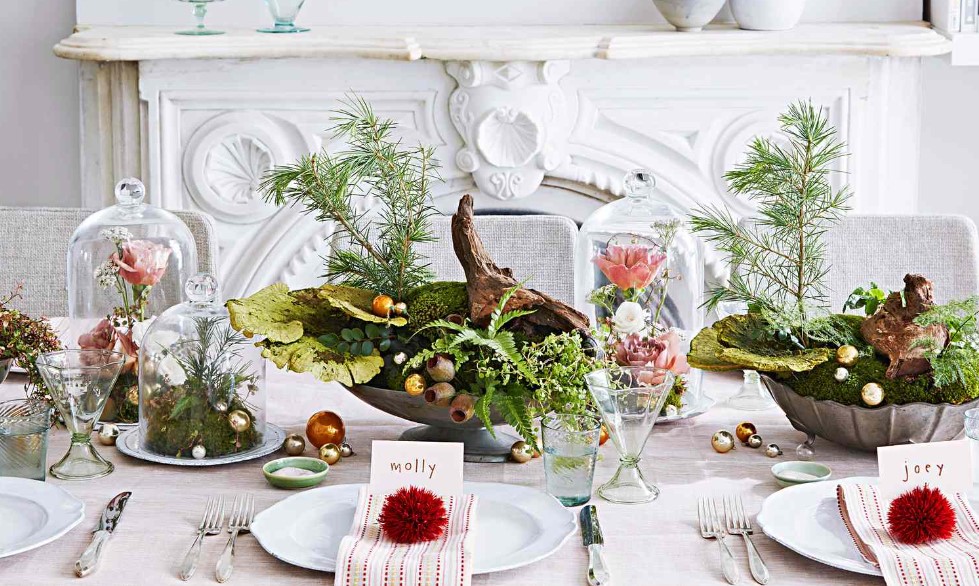
A well-designed centerpiece can become the focal point of your holiday table, adding a touch of magic to the ambiance. When creating a Christmas centerpiece, consider incorporating elements that capture the festive spirit and reflect your personal style.

One popular option is a floral centerpiece featuring seasonal flowers and greenery. Arrange blooms such as poinsettias, holly branches, or Christmas roses in an elegant vase or a rustic basket for a traditional touch. Add accents like pinecones, berries, or ornaments to enhance the festive vibe.

If you prefer a non-traditional centerpiece, consider using natural elements like branches, twigs, and evergreen foliage to create a rustic and organic look. Incorporating candles can also add warmth and coziness to your table. Opt for unscented candles in festive colors like gold, silver, or red.

2.3 The Magic of Napkin Folding: Simple Tips and Tricks

Napkin folding is an art that can elevate your table setting and impress your guests. You can transform simple napkins into intricate designs with a little practice and creativity. Here are a few simple napkin folding techniques to add a touch of elegance to your holiday table:

  1. Classic Fan Fold: Lay the napkin flat and accordion-fold it back and forth until it forms a compact rectangle. Secure it in the center with a napkin ring or festive ribbon.
  2. Pocket Fold: Fold the napkin in half diagonally to form a triangle. Fold the bottom corner up to meet the top corner, creating a smaller triangle. Fold the right and left corners of the triangle towards the center, overlapping slightly, to form a pocket.
  3. Christmas Tree Fold: Fold the napkin into a square and then into a triangle. Starting from the bottom, accordion-fold the napkin up towards the top, leaving a small portion at the top unfolded. Fan out the folded portion to create a Christmas tree shape.

Experiment with different napkin folding techniques to find the style that suits your table and dinner set, adding a delightful touch to your holiday decor.

3. Dining Etiquette for a Memorable Christmas Dinner

Apart from creating a visually stunning holiday table, ensuring a memorable dining experience for your guests is essential. This section will guide you through some dining etiquette tips that will help you host a formal and graceful Christmas dinner.

3.1 Napkin Placement and Proper Use

Proper napkin placement is an essential aspect of table etiquette. As a host, you should set an example by placing your napkin on your lap as soon as you sit down. Guests should follow suit, unfolding their napkins and placing them on their laps.

Encourage guests to use their napkins to dab their mouths and hands discreetly throughout the meal. After the meal, leave your napkin semi-folded on the left side of your plate. This signals that you have finished your meal, and the server can clear your place.

3.2 Utensil Placement: A Guide to Formal Table Settings

A formal table setting requires proper placement of utensils to create an elegant and sophisticated look. Here are a few guidelines for utensil placement:

  1. Forks: Place the forks to the left of the dinner plate, with the salad fork on the outer left and the dinner fork closest to the plate.
  2. Knives: Place the knives to the right of the dinner plate, with the blade facing inward. The dinner knife is closest to the plate, followed by the salad knife.
  3. Spoons: Place the spoons to the right of the knives, with the soup spoon outermost and the dessert spoon closest to the plate.

Remember that utensils are used from the outside in, so guests know which fork, knife, or spoon to use for each course. Proper utensil placement adds sophistication to your table setting and ensures a smooth and enjoyable dining experience.

3.3 Hosting with Grace: Tips for Serving and Dining

Hosting a formal Christmas dinner requires not only attention to detail but also grace and hospitality. Here are a few tips to help you host with elegance:

  1. Serving the Food: Serve dishes from the left and remove them from the right. Use serving utensils suitable for each dish, ensuring that they complement your dinner set and table decor.
  2. Seating Arrangement: Plan your seating arrangement thoughtfully, taking into account the dynamics and preferences of your guests. Seat guests strategically, alternating between male and female and balancing personalities to facilitate engaging conversations.
  3. Engage in Polite Conversation: Initiate and participate in polite conversation throughout the meal, ensuring everyone feels included and comfortable. Avoid controversial or sensitive topics and focus on creating a pleasant and festive atmosphere.

By paying attention to these etiquette tips, you can create a memorable and refined dining experience for your guests, leaving a lasting impression.

4. Adding Personal Touches to Your Holiday Table

While elegance and formality are crucial for setting a holiday table, adding personal touches can make the experience even more meaningful and intimate. This section will explore various ways to personalize your holiday table and create a warm and inviting atmosphere.

4.1 DIY Christmas Table Decorations on a Budget

You don’t need to break the bank to create beautiful Christmas table decorations. DIY projects can add a personal and budget-friendly touch to your holiday table. Here are a few ideas to get you started:

  1. Homemade Place Cards: Create custom place cards using craft paper, calligraphy, and festive embellishments like ribbons or pinecones. These personalized place cards add a thoughtful and intimate touch to each guest’s seat.
  2. Nature-inspired Decor: Incorporate elements from nature into your table decor. Collect pinecones, acorns, or branches and spray paint them in festive colors like gold or silver. Display them in a decorative bowl or scatter them around the centerpiece for a rustic and organic look.
  3. DIY Candleholders: Repurpose glass jars or bottles by wrapping them with twine or ribbon. Insert a pillar candle or a tea light to create a cozy and warm ambiance. For an added touch, you can also stencil or paint festive designs on the jars.

4.2 Personalizing Place Cards: A Simple Gesture with a Big Impact

Personalized place cards not only help guests find their seats but also make them feel welcomed and appreciated. Adding a personal touch to each place card can create a warm and intimate atmosphere at your Christmas dinner.

Consider including a short handwritten note or a small keepsake with each place card. This gesture shows your guests that you put thought and effort into making them feel special. Personalized place cards can be simple, yet they significantly impact creating a memorable dining experience.

4.3 Creative Ways to Incorporate Festive Lighting

Festive lighting can enhance the ambiance of your holiday table, creating a warm and inviting atmosphere. Here are a few creative ways to incorporate festive lighting into your table decor:

  1. String Lights: Drape string lights along the center of the table or weave them through the centerpiece for a magical and enchanting glow.
  2. Candle Lanterns: Place pillar candles or tea lights in decorative lanterns or hurricane vases to create an intimate and cozy atmosphere.
  3. LED Candles: If you prefer the look of candles but want a safer option, consider using LED candles. These battery-powered candles provide a soft and warm glow without the risk of fire.

Experiment with different lighting options to find what suits your table decor and creates the desired ambiance for your Christmas dinner.

Setting the perfect holiday table involves carefully considering various elements, from choosing the right dinner set to adding personal touches that make the experience unique. By delving deep into each aspect, you can create a comprehensive guide that will empower readers to host a memorable and elegant Christmas dinner.

FAQ

Question: How do I choose the perfect Christmas dinner set? Answer: When selecting a Christmas dinner set, consider factors like size, durability, design, and style. Choose a set that can accommodate the number of guests you typically host and opt for dishwasher and microwave-safe materials. Select a design and style that complements your dining room decor or the overall Christmas theme.

Question: What is the difference between traditional and modern dinner sets? Answer: Traditional dinner sets feature classic patterns like holly leaves, Christmas trees, or snowflakes, creating a warm and cozy atmosphere. Modern dinner sets embrace sleek and minimalist designs, often with geometric patterns or metallic accents, giving your holiday table a contemporary and sophisticated vibe.

Question: What materials add elegance to a holiday table? Answer: Porcelain, bone china, stoneware, and glass are materials known for adding elegance to a holiday table. Porcelain and bone china provide a refined and luxurious touch, while stoneware offers a rustic and earthy charm. Glass creates a visually stunning presentation and adds a touch of modernity.

Question: How do I choose the right tablecloth for my holiday table? Answer: Choose a tablecloth that complements your dinner set and the overall theme. Consider the size and shape of your table, ensuring the tablecloth hangs about 6 to 10 inches over the edge. Select a fabric suitable for the formality of your gathering, such as linen or damask for formal dinners and cotton or polyester blends for casual gatherings.

Question: How can I create a festive centerpiece for my holiday table? Answer: Create a festive centerpiece using seasonal flowers, greenery, and candles. Arrange blooms like poinsettias and holly branches in an elegant vase or a rustic basket. You can also incorporate natural elements like branches, twigs, and evergreen foliage for a rustic and organic look. Adding candles in festive colors like gold, silver, or red can enhance the warmth and coziness of the centerpiece.

Question: What are some napkin folding techniques I can use? Answer: Some simple napkin folding techniques to add elegance to your table include the classic fan, pocket, and Christmas tree folds. The classic fan fold involves accordion-folding the napkin into a compact rectangle. The pocket fold creates a pocket by folding a triangular napkin. The Christmas tree fold creates a Christmas tree shape by accordion-folding a square napkin.

Question: What are some dining etiquette tips for a formal Christmas dinner? Answer: Proper napkin placement is essential, with guests placing their napkins on their laps throughout the meal and leaving them semi-folded on the left side of their plates after finishing. Utensils should be placed with forks to the left, knives to the right, and spoons to the right of the knives. Serve dishes from the left and remove them from the right. Engage in polite conversation and avoid controversial topics to create a pleasant and festive atmosphere.

Question: How can I personalize my holiday table? Answer: Personalize your holiday table by incorporating DIY decorations like homemade place cards, nature-inspired decor, and DIY candleholders. Create custom place cards using craft paper and embellishments, incorporate natural elements like pinecones and branches, and repurpose glass jars with twine or ribbon for candleholders. Additionally, consider adding personal touches to the place cards with handwritten notes or small keepsakes and incorporating festive lighting with string lights, candle lanterns, or LED candles.

Useful Resources:

  • The Spruce – Provides tips and guides on home decor, including setting the perfect holiday table.
  • Real Simple – Offers ideas and inspiration for hosting holiday dinners and creating beautiful table settings.
  • Better Homes & Gardens – Features articles and tutorials on home decorating, entertaining, and tablescapes.
  • Country Living – Provides tips, DIY projects, and inspiration for creating a cozy and festive holiday table.
  • Martha Stewart – Offers a variety of resources on entertaining, including table setting ideas and DIY projects.
  • YouTube – Offers video tutorials on table setting, napkin folding techniques, and holiday table decorations.
  • Etiquette Scholar – Provides information on proper table manners and dining etiquette for formal dinners.
  • House Beautiful – Offers tips and inspiration for creating stylish and elegant holiday table settings.