The Ultimate Guide to Troubleshooting Common Air Conditioner Problems

The Ultimate Guide to Troubleshooting Common Air Conditioner Problems

Is your air conditioner not functioning as it should? Are you experiencing issues like a lack of cool air, strange noises, or leaking water? If so, don’t worry! You’re not alone. Air conditioners are complex machines with many components that can fail or malfunction. This guide will walk you through common air conditioner problems and how to troubleshoot them. Make sure to hire a professional air conditioner repair in Cedar Rapids for more serious issues or assistance.

Lack of Cool Air

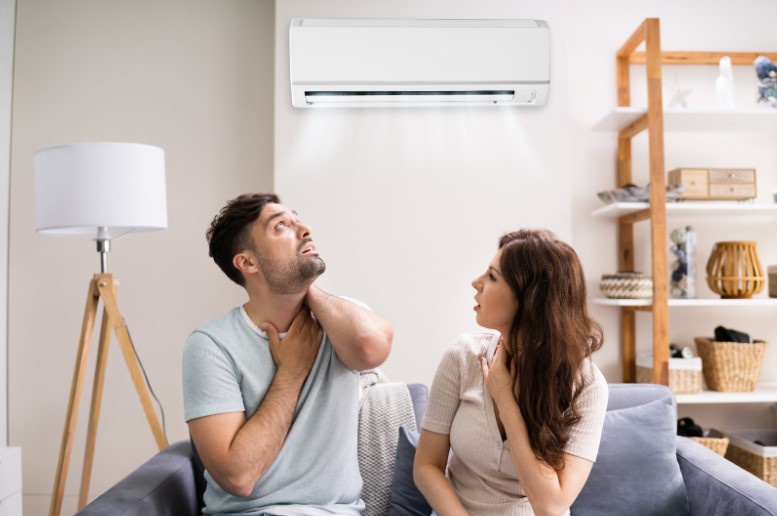
If your air conditioner is not producing cool air, it could be due to various reasons. The first thing you should check is your thermostat setting. Ensure it is set to “cool” and the temperature is lower than the current room temperature. If the settings are correct, the issue may lie with your filters. Dirty or clogged filters can restrict airflow, making it difficult for your AC unit to cool the air. Clean or replace the filters and see if that solves the problem. If not, there may be an issue with your compressor or refrigerant levels, which will require professional help.

Strange Noises

Unusual noises coming from your air conditioner can indicate a problem. A rattling noise could mean that there is a loose component, such as a bolt or screw, inside the unit. Turn off the power to your AC and inspect the exterior for any visible signs of loose parts. If you cannot find anything, it’s best to call a professional technician to diagnose and fix the issue.

Leaking Water

Water leaks from your air conditioner can indicate a clogged condensate drain line or a frozen evaporator coil. If you notice water pooling around your unit, turn off the power and inspect the drain line for any blockages. If there are no obstructions, it may be due to a faulty condensate pump or a frozen evaporator coil. In this case, it’s best to call for professional help, as attempting to fix these issues yourself can lead to further damage.

Uneven Cooling

If some rooms in your home are cooler than others, it could be a sign that your AC unit is not distributing cool air evenly. Check the vents and make sure they are open and unobstructed. If the issue persists, it may be due to an improperly sized unit or a problem with your ductwork. Contact a professional technician to assess the situation and provide appropriate solutions.

Foul Odors

Foul smells from your air conditioner can be caused by mold or mildew growth inside the unit. This is often due to excess moisture, which can occur if the unit is not properly draining. Clean your AC filters regularly and inspect the drain line for any clogs. If the smell persists, it may be necessary to call a professional to thoroughly clean and sanitize the unit.

Short Cycling

Short cycling occurs when your air conditioner turns on and off frequently without completing a full cooling cycle. This can be caused by a dirty condenser coil, an incorrect thermostat setting, or a faulty compressor. First, clean the condenser coil and check the thermostat settings. If those are not the issues, it’s best to call for professional assistance to diagnose and repair any underlying problems.

In conclusion, troubleshooting common air conditioner problems can be done with a little bit of knowledge and some simple steps. However, it’s always best to call for professional help if you are unsure or uncomfortable handling any issues. Don’t hesitate to call the pros today!

The Common Options for Commercial Air Conditioning

The Common Options for Commercial Air Conditioning

Cooling or heating a commercial space is a very different proposition to air conditioning a standard home.

There’s size to consider, available air conditioning technology to factor in, and the cost of maintaining climate control within a commercial stetting.

Here’s a rundown of the common options available when it comes to commercial air conditioning

Chilled water systems

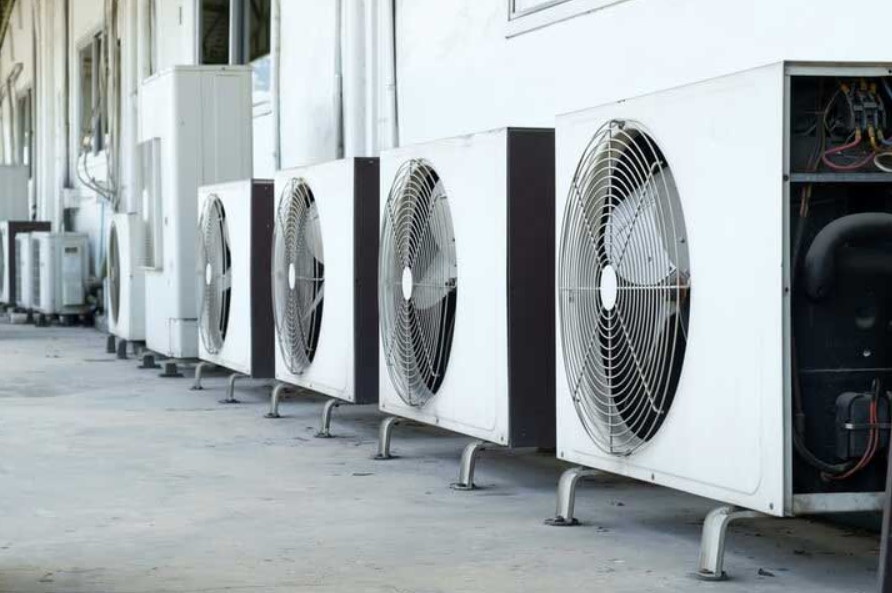
Suited to very large commercial spaces like factories, shopping centres, and airports, chilled water systems use water as a secondary refrigerant.

This water is cooled by refrigerant then piped through each room to lower the temperature. Known as versatile and efficient, chilled water systems are excellent at cooling large, open commercial spaces, but they do come at a cost in terms of installation.

Variable refrigerant flow (VRF) systems

Common in locations like hospitals, schools, office blocks and hotels, variable refrigerant flow systems allow individual areas to be heated and cooled separately.

The technology employs one outdoor unit to control multiple indoor units, and the term variant refrigerant flow refers to their ability to control the flow of refrigerant to each of these indoor units.

VRF is renowned for its excellent controllability and efficiency, and can boast significant energy (and cost) savings when compared to traditional units.

It also features superior dehumidification ability.

Large split ducted systems

Large split ducted systems work in much the same way as the ducted systems utilised in homes. They utilise one exterior unit to channel heat or cold through ducted piping to specific zones.

Ducted split systems allow users to control areas of an office or building, switching these zones off when not in use.

These systems are renowned as extremely quiet and also offer excellent air quality.

Split systems and multi-split systems

Split air conditioning systems are generally employed in commercial settings where one specific area or just a couple of areas need to be cooled.

They are generally more suited to small offices and restaurants rather than large commercial premises. Split systems and multi-split systems work in much the same way as standard home air-conditioning where individual units are installed to heat or cool individual areas.

This offers the ability to only use the air conditioner when required and to utilise each system to heat or cool to a different extent.

So, for example, in a small restaurant, one air conditioner might be used to cool the front of house, while a second air conditioner in the kitchen might be set to a lower temperature to keep kitchen staff cool.

Which system?

Each commercial space is different, and when it comes to deciding which system would best suit your needs, you should seek the advice of a reputable commercial air conditioning installer who can assess the building and devise a system that best suits your needs.

About Climacool

Servicing the greater Sydney region, Climacool Air Conditioning prides itself on superior service and quality workmanship.

We work with the leading brands in the field of heating and cooling, and have an enviable reputation for meeting the needs of our valued commercial clientele in air conditioning installation, service, and repairs.

You can learn more about our commercial services here, or contact us directly for assistance in selecting, installing and maintaining the right air conditioning system for your business.