

















How to Style a Minimalist Home

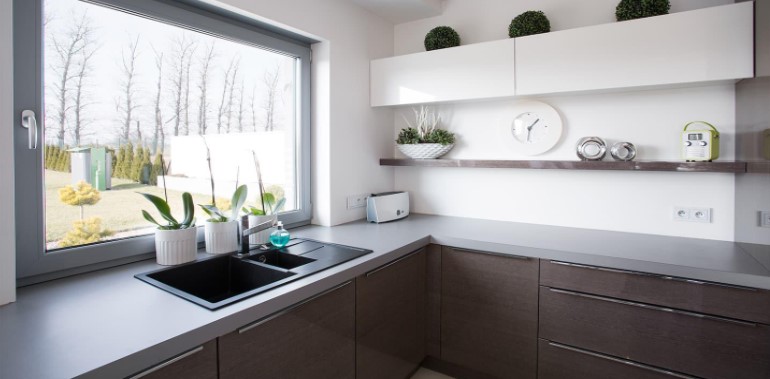
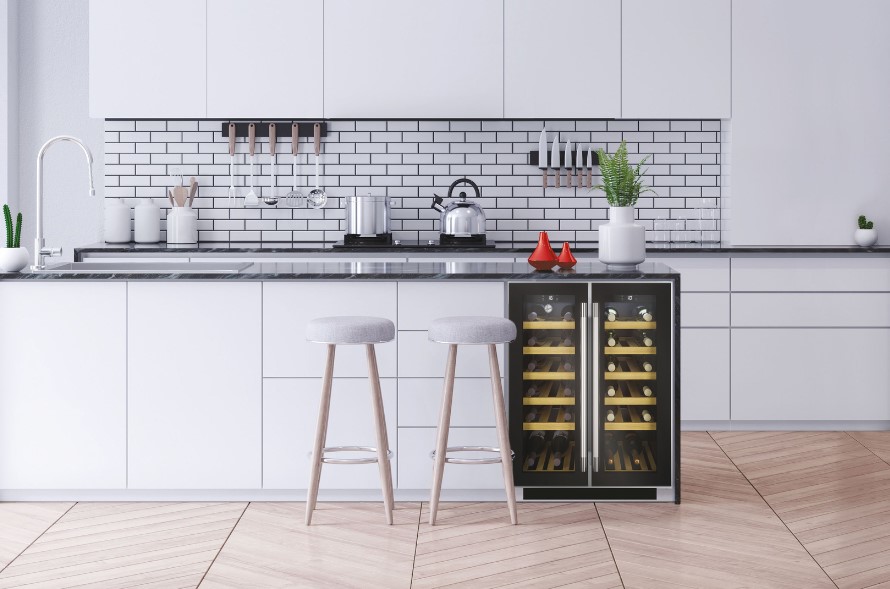
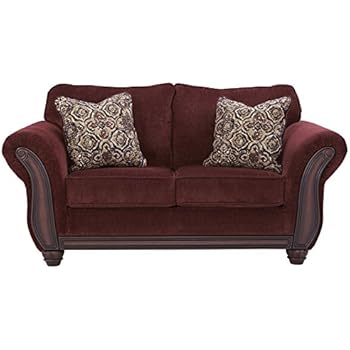
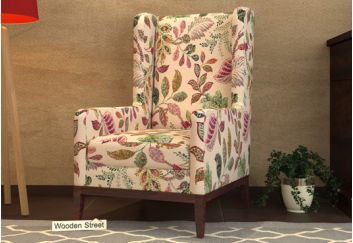
Minimalist home decorating involves seeking the perfect interplay between open space, light, colour and furnishing. And while the concept pretty much speaks for itself, don’t think for a second it’s easy to pull off.

Is Hiring a Commercial Cleaning Company Worth It? Here’s My Take

Is Hiring a Commercial Cleaning Company Worth It? Here's My Take

When you hire a commercial cleaning company, it often means using your time more wisely. Business owners can zoom in on core operations rather than getting bogged down in cleaning chores.

Skimping on cleaning? That can lead to all sorts of issues—from lackluster first impressions to increased health risks and even more employee absenteeism.

If your office feels subpar despite basic cleaning efforts, it might be time to call in the pros to keep that professional vibe alive.

Those mystery smells and random stains in your office? They’re major red flags. Those hints often require expert cleaning because they won’t magically disappear and could present health risks too.

When choosing a commercial cleaning company, look for certifications that prove they meet safety standards and cleaning quality.

It’s critical to ask insightful questions about cleaning methods and staff training before agreeing to a contract. Transparency and trust should be your priorities.

A clean workspace means happier employees and better productivity. This underscores just how vital professional cleaning services are in creating an uplifting work atmosphere.

The Hidden Costs of DIY Cleaning vs. Hiring Professionals

Is your time really worth the mess?

Imagine this: the week’s been a whirlwind of meetings and deadlines, and it’s Saturday. You’ve got your coffee, ready to tackle that lengthy cleaning list. But here’s the twist—are you really saving money? Sure, it feels good to clean yourself. It’s like wearing a badge of honor. However, think about those hours spent. Every minute you scrub could’ve been dedicated to business growth or catching up on sleep. With commercial cleaning companies offering competitive rates, wouldn’t your time be better spent elsewhere?

Consider the opportunity cost. You can clean, sure, but is it the best use of your time? It’s like choosing to cook at home to save a few bucks, thus missing out on a great restaurant experience.

What happens when you cut corners on cleaning?

We all think, “A quick wipe-down will suffice.” But trust me, when you take shortcuts, chaos ensues. Dust accumulates, odors arise, and suddenly, your office looks like a disaster zone. First impressions are everything! Picture a client entering to find smeared windows, dirty floors, and an unpleasant smell—not exactly a professional image, right?

Even worse, neglecting proper cleaning breeds health risks. Germs thrive in dirty spaces. Employees end up taking more sick days, and productivity dwindles. Those few saved minutes can come back to bite later. So, where’s the real savings if things spiral out of control?

Signs It’s Time to Call in the Pros

When your ‘clean’ just isn’t cutting it anymore

Let’s be real: we sometimes convince ourselves we’ve done a good job cleaning. You look around and see shiny surfaces. But wait—what’s hiding underneath? Dust bunnies beneath the desk, grime in the corners; it all builds up. If your office starts feeling more like a science experiment, it’s time to rethink things. Just being good at cleaning doesn’t cut it when deeper issues remain.

Here’s a truth bomb: if you’re even considering calling in professionals, you probably need them. Self-cleaning is like taking aspirin for a major headache—it’s a surface-level fix for an underlying issue. Revisit your standards; an unclean environment wrecks not only how your business looks but can also damage your reputation.

Spotted any unusual stains or odors lately?

What’s that smell? Seriously, take a moment to ask yourself. If a mystery odor is wafting around, it clearly calls for expert help. And if you’ve noticed unexpected stains cropping up like uninvited guests? Whether it’s coffee spills, missed lunches, or those annoying food messes, they’re not just ugly but also a breeding ground for bacteria.

Don’t let things slide until they become health concerns. Strange smells and stains are waving red flags at you. They scream for help while you’re hoping they just vanish. Spoiler alert: they won’t. What can you do about it?

  • Professional equipment is often underappreciated.
  • Specialized cleaning solutions can tackle tough stains.
  • Regular upkeep stops bad odors from taking hold.

What to Look for in a Commercial Cleaning Company

Certifications that matter more than you think

Thinking about how to choose the right cleaning service? Here’s the reality: not every cleaning company is created equal. Certifications are crucial. You’re after a team that gets sanitation protocols, especially now. Cleanliness is paramount in every business.

Seek out certifications that reflect a strong commitment to cleaning excellence. Companies that have completed industry-standard training in cleaning and safety are essential. After all, you’re not just hiring cleaners; you’re putting your space, your employees’ health, and your reputation in their hands.

When you’re evaluating options, look for: 

  • OSHA compliance for safety standards.
  • Green certifications if environmental conscience matters to you.
  • Experience in the industry that demonstrates reliability.

Questions to ask before signing a contract

About to put pen to paper? Hold on! You’ve got some legwork to do first. Asking the right questions can save you from future headaches. Don’t just sketch a deal based on the first proposal you receive. Dig deeper. Some crucial questions could include:

  • What cleaning supplies do you use?
  • How do you train your staff?
  • Can you provide references from businesses similar to mine?

These might seem straightforward, yet they can uncover vital information. You deserve to know exactly what you’re stepping into. Transparency builds trust, and trust is everything in this kind of partnership.

The Long-Term Benefits of Professional Cleaning

How a clean workspace boosts productivity

Remember that last time you were in a spotless environment? It felt great, didn’t it? A clean workspace does more than just look good; it lifts morale. An organized, tidy area can inspire employees in ways you might not expect. There’s a direct link between cleanliness and productivity. If clutter isn’t around, focus sharpens, creativity flows, and morale soars. It’s science, folks.

So, what’s the takeaway here? Prioritizing cleanliness isn’t just about avoiding embarrassment when clients show up; it’s about crafting a space that spurs innovation, creativity, and hard work. What’s not to love about that?

Building a healthy environment for employees and clients alike

Let’s face it: healthy workplaces lead to healthier employees. Did you know conditions like asthma, allergies, and other health issues stem from poor hygiene at the office? Bacteria and allergens lurk in all those nooks and crannies. A professional cleaning service applies disinfection strategies that keep germs in check. Maintaining cleanliness isn’t just for looks; it’s an investment in your people.

“Healthy employees are productive employees.”

It’s a true statement—employers who want to keep their top talent can’t afford to overlook cleaning practices. It’s a strategic aspect of running your business, not just an afterthought that you only remember when things get grimy.

So there you have it. While the allure of DIY cleaning seems tempting, it’s important to consider those hidden costs. When it comes to keeping things clean, sometimes it’s best to let the experts handle it. Ignoring the details can have serious consequences. A clean workspace isn’t merely a perk; it’s essential.

FAQ

What makes a cleaning company more reliable than an in-house team?

Experience and expertise are everything. Commercial cleaning companies come loaded with specialized training, proven techniques, and often proprietary cleaning methods. Your in-house staff might do well, but they may not be equipped for the level of cleanliness a professional environment demands.

How do I know if I’m getting a good deal on cleaning services?

Don’t just focus on price; consider the overall value. Get comparisons, but also weigh the services offered and the company’s reputation. Dig into reviews, check their industry experience, and assess how thorough their cleaning methods seem to ensure you’re actually getting your money’s worth.

Can regular maintenance from professionals save costs down the line?

Absolutely. Think of it as a wise investment. Regular professional cleaning can extend the life of your office equipment and furniture. Preventing rough clean-ups or repairs later on can lead to substantial savings in the long haul, while also keeping your work environment healthier.

What are some red flags to watch out for when choosing a cleaning service?

Be cautious of any company that promises rock-bottom pricing without proper certifications. Transparency is key; if they’re unable to provide references or specifics about their cleaning methods, it’s a red flag. You want a partner, not a guessing game.

Are there specific cleaning methods that are more effective against germs and allergens?

Definitely! Techniques like electrostatic spraying or using HEPA filters really make a difference. They effectively tackle airborne particles and germs that a basic mop-and-bucket approach just can’t manage. Choose companies that are on board with these high-efficiency methods.

How often should a commercial space be professionally cleaned?

It depends on usage, but a weekly cleaning typically works well for most offices. In higher traffic areas, more frequent cleanings might be wise. Pay attention to your workspace; if it appears dull or smells off, it’s time to call in the cleaning pros.

What impact does a clean office have on employee retention?

It’s significant. A clean, well-kept environment enhances morale and affects job satisfaction. Employees want to feel safe and comfortable, and a tidy space shows that management values their well-being. If you’re looking to retain talent, cleanliness should be a priority.

Is environmentally-friendly cleaning worth considering?

You bet it is. Eco-friendly choices benefit not just the planet but also workplace health. Fewer toxic chemicals lead to better air quality. Companies that prioritize green practices show they care about more than just appearances—they’re investing in a better future for everyone.

Creating Cleaner Commercial Spaces in Central Virginia

Creating Cleaner Commercial Spaces in Central Virginia

Maintaining a clean and sanitary commercial environment is essential for businesses that want to create positive impressions, protect employee health, and ensure efficient daily operations. Offices, retail establishments, medical facilities, and industrial buildings experience constant foot traffic, leading to the steady buildup of dust, bacteria, and other contaminants. Without consistent maintenance, these spaces can quickly become unhygienic, affecting productivity and damaging customer perception. Professional services like JAN-PRO Cleaning & Disinfecting in Central Virginia help organizations maintain spotless, safe, and welcoming facilities that support business growth.

Commercial spaces demand more than routine surface cleaning. High-touch areas, shared workstations, restrooms, and entrances require detailed sanitation to reduce germ transmission and maintain safe conditions. Businesses across Central Virginia operate in a competitive environment where cleanliness directly influences employee morale and customer trust. A well-maintained workplace reflects professionalism, attention to detail, and a strong commitment to health standards. JAN-PRO Cleaning & Disinfecting in Central Virginia provides specialized solutions that help companies uphold these standards consistently.

Sanitation also plays an important role in regulatory compliance for industries with strict hygiene requirements. Healthcare facilities, educational institutions, and food-related establishments must follow sanitation guidelines to avoid penalties and operational disruptions. Professional providers such as JAN-PRO Cleaning & Disinfecting in Central Virginia support organizations in meeting these requirements while allowing employees to focus on their primary responsibilities.

The Importance of Professional Cleaning for Commercial Facilities

Commercial buildings present unique cleaning challenges compared to residential properties. Larger floor areas, frequent occupancy, and shared amenities create environments where dirt and bacteria accumulate rapidly. Regular maintenance prevents contaminants from spreading across workspaces and improves overall environmental quality.

Professional cleaning teams are trained to treat various surfaces and materials using proper equipment and techniques. Carpets, tile flooring, glass surfaces, and office furniture each require specific cleaning approaches to maintain their condition and appearance. Proper care extends the lifespan of these materials, helping businesses avoid unnecessary replacement expenses. JAN-PRO Cleaning & Disinfecting in Central Virginia uses advanced cleaning systems designed to preserve facility assets while delivering thorough sanitation.

Indoor air quality is another major factor influenced by cleanliness. Dust buildup in vents, carpets, and upholstery can affect air circulation, potentially causing discomfort for employees and visitors. Routine deep cleaning removes airborne particles that contribute to allergies and respiratory concerns, creating a more comfortable and productive work environment.

Restrooms and communal spaces demand extra attention because they are high-risk zones for germ transmission. Professional cleaners apply effective disinfecting methods that target bacteria and viruses without damaging surfaces. Maintaining hygiene in these areas reduces illness-related absences and supports workforce productivity. With JAN-PRO Cleaning & Disinfecting in Central Virginia, businesses benefit from detailed sanitation protocols designed to protect both staff and guests.

Beyond health considerations, a clean workspace boosts morale. Employees tend to feel more motivated and valued when working in organized and sanitary environments. Clients and visitors also associate cleanliness with credibility and professionalism, strengthening brand reputation and customer loyalty.

Modern Cleaning Practices That Improve Workplace Hygiene

Innovations in commercial cleaning have introduced more efficient techniques and environmentally responsible solutions. Modern tools and equipment allow professionals to deliver better results while minimizing disruptions to daily operations.

Microfiber technology is widely used in professional cleaning because it captures dust and bacteria more effectively than traditional materials. These advanced tools reduce cross-contamination and require fewer chemical agents, making them safer for occupants and the surrounding environment.

Electrostatic disinfection systems further enhance sanitation by distributing disinfectant solutions evenly across surfaces. This method ensures complete coverage, including hard-to-reach areas, improving hygiene standards across entire facilities. JAN-PRO Cleaning & Disinfecting in Central Virginia utilizes advanced disinfection technologies that help businesses maintain safer environments.

Environmentally friendly cleaning solutions are becoming increasingly popular as organizations prioritize sustainability. Green cleaning products minimize exposure to harsh chemicals while still providing strong disinfecting performance. These solutions are especially valuable in workplaces where indoor air quality and occupant sensitivity are concerns.

High-touch points such as door handles, elevator controls, desks, and shared equipment receive focused attention in modern cleaning programs. Frequent sanitation of these areas significantly reduces the spread of germs within busy commercial settings.

Customized maintenance schedules ensure businesses maintain consistent cleanliness without interfering with daily productivity. Cleaning professionals can perform services after business hours, allowing facilities to remain hygienic and organized without disrupting operations.

Benefits of Partnering with Experienced Commercial Cleaning Providers

Collaborating with professional cleaning specialists offers advantages that extend beyond basic surface cleaning. Experienced providers understand the distinct needs of various industries and tailor their services accordingly. This customization ensures that facilities receive appropriate care based on layout, occupancy levels, and operational demands.

Reliable service teams apply industry-approved techniques that produce consistent and measurable results. Their expertise allows them to identify problem areas and implement targeted cleaning strategies before issues escalate. JAN-PRO Cleaning & Disinfecting in Central Virginia follows proven systems that emphasize prevention, efficiency, and thorough sanitation.

Professional cleaners also bring specialized equipment designed for large-scale maintenance. Industrial-grade vacuum systems, floor treatment machines, and advanced sanitation tools enhance efficiency and produce superior outcomes compared to conventional cleaning approaches.

Safety remains a priority in commercial environments. Trained personnel follow strict procedures that reduce hazards such as slippery surfaces or improper chemical usage. This careful approach protects both occupants and maintenance staff while ensuring compliance with workplace safety standards.

Outsourcing cleaning services allows organizations to manage resources more effectively. Instead of handling in-house maintenance logistics, businesses can rely on professionals who oversee scheduling, equipment, and sanitation requirements. This arrangement reduces administrative workload while ensuring dependable facility upkeep.

A well-maintained commercial environment supports a positive brand image and strengthens customer confidence. Visitors are more likely to trust businesses that demonstrate strong sanitation practices. This favorable perception influences purchasing decisions and encourages long-term client relationships.

Maintaining Long-Term Cleanliness for Business Success

Sustaining clean commercial spaces requires ongoing attention and structured maintenance plans. Routine inspections help identify areas that need immediate care before dirt and wear become visible. Preventative cleaning preserves facility appearance and promotes operational efficiency.

Seasonal changes also affect sanitation requirements. Weather conditions can introduce moisture, debris, and contaminants into buildings, making adaptive cleaning schedules necessary throughout the year.

Employee participation further supports cleanliness efforts. Encouraging organized work habits and proper waste disposal complements professional sanitation services. When staff members contribute to maintaining tidy surroundings, overall hygiene standards improve significantly.

Investing in JAN-PRO Cleaning & Disinfecting in Central Virginia demonstrates a commitment to workplace safety, employee well-being, and customer satisfaction. Clean facilities create welcoming environments that encourage productivity while reinforcing professional standards.

Businesses that prioritize sanitation gain long-term benefits through improved efficiency, reduced maintenance expenses, and enhanced reputation. Maintaining hygienic commercial spaces ensures smooth operations while fostering a professional atmosphere that benefits employees, visitors, and clients alike.

5 Affordable Email Marketing Platforms for Startups

5 Affordable Email Marketing Platforms for Startups

For new and upcoming startups, selecting the right email marketing software is essential for creating effective and creative campaigns. But to make the most out of your email marketing strategy, it’s crucial to select a tool that best suits your specific needs and goals. 

Because there’s no one-size-fits-all solution when it comes to email campaigns, however, finding the right tool can be a challenge. That’s where we come in.

In this comprehensive guide, we’ll dive deep into the top email marketing tools and discuss their standout features, pricing plans, and why we recommend them for specific users. Let’s begin!

The Top Features to Look for in an Email Marketing Software

In case you’re not too familiar with the most commonly sought-after email marketing features, we’ve come prepared. Here is a quick breakdown of the best features you can look for in an email marketing software and how you can benefit from each one:

1. AI writer

Whether you need help with writing email copy or optimized subject lines, having a handy AI writer tool can be a big help. Instead of spending hours struggling with writer’s block, you can simply input your required text, and the tool will generate your desired copy with just a click of a button.

2. Template library

For individuals or small startups, managing marketing strategies on top of normal day-to-day operations can be a hectic task. Luckily, using free email templates can lessen the workload by a ton.

Instead of having to design email campaigns from scratch, you can simply input your desired layout into a search bar and browse through the options to find your desired look. 

3. Drag-and-drop editor

Due to various advancements in technology, launching email marketing campaigns has now become much easier. Users no longer need to know basic coding structures and can simply use free online tools for editing campaigns from pre-saved templates.

With a drag-and-drop editor, users can simply select and arrange different elements on a page for more seamless and efficient template designing.

4. Analytics reporting

The best way to measure the effectiveness of your email campaigns is by reading through analytics reports. While that can seem like a difficult task, most online marketing tools now come with a built-in analytics report tool for easily distinguishing which campaigns perform better than others.  This can help ensure more optimized campaigns for more effective marketing.

5. Integrations

While most email marketing tools online will come with a free version, that option can often be limiting for some users. So, rather than subscribing to different tools for different marketing needs, it’s better to opt for tools that offer various integrations or are already an all-in-one email marketing tool, complete with built-in content creation and social media management features. 

The Best Email Marketing Tools for Small Businesses in 2025

Now that we’ve gone over the best features you can look for in an email marketing tool, let’s dive deep into the different features and pricing plans of each platform:

1. Klaviyo

Overview

Klaviyo is an online marketing platform with robust AI-powered features for email marketing. The tool offers several built-in automation features, including customer segmentation and real-time data. While more advanced compared to other tools, Klaviyo remains one of the top choices for advanced email marketing needs. 

Standout features

  • Customer profiles with all the data
  • Marketing Agent
  • SMS Smart Opt-in
  • Mobile push marketing channel
  • Email deliverability score

Pricing plans (monthly)

  • Free
  • Email ($20)
  • Email + mobile messages ($20)

Why we recommend it

For startups in need of multichannel marketing features, Klaviyo is a good option to consider. Its beginner pricing tiers are generally affordable, but may require a learning curve for new users due to its advanced features. 

2. Omnisend

Overview

Omnisend is another email marketing tool popular among e-commerce businesses for its automated features and customized workflows. On top of SMS and email notifications, Omnisend also offers web push notifications.

Standout features

  • Global SMS messaging
  • Unlimited web push notifications
  • Advanced reporting

Pricing plans (monthly)

  • Standard ($16)
  • Pro ($59)
  • Custom pricing

Why we recommend it

Compared to other tools, Omnisend puts more emphasis on providing email marketing tools to e-commerce businesses. The tool is specifically ideal due to its affordable features and user-friendly interface.

3. Mailchimp

Overview

Mailchimp is another email marketing platform popular among businesses due to its accessibility and user-friendly features. At the same time, Mailchimp also offers affordable pricing tiers ideal for individual creators and entrepreneurs. 

Standout features

  • Content studio
  • Creative assistant
  • Subject line helper
  • Behavioral targeting

Pricing plans (monthly)

  • Free
  • Essentials ($13)
  • Standard ($20)
  • Premium ($350)

Why we recommend it

For startups in need of an easy-to-use platform for email marketing, Mailchimp may be a good option to consider. The tool has a minimal learning curve and has various integrations with other CRM and content creation tools. 

4. HubSpot 

Overview

HubSpot is a multi-channel email marketing tool known for its various integrations and marketing tools. While the tool offers a select number of user-friendly and free marketing features, HubSpot’s paid tiers generally cater to larger businesses and agencies.

Standout features

  • AI-Powered email
  • Marketing studio
  • Landing page builder
  • Email hosting

Pricing plans (monthly)

  • Free
  • Marketing Hub Starter ($15)
  • Marketing Hub Professional ($890)
  • Marketing Hub Enterprise ($3,600)

Why we recommend it

While it may not be the best option for beginner marketers and individual creators, HubSpot is a great option for complex automation needs. For users in need of advanced CRM tools and built-in marketing features, HubSpot is a tool worth checking out. 

5. PosterMyWall

Overview

PosterMyWall is a social media marketing, management, and content creation tool ideal for small businesses, startups, and individual creators with little to no marketing experience. With PosterMyWall, users get access to a wide variety of accessible email marketing features, including an AI subject line writer for more optimized campaigns. 

Standout features

  • 4,770+ email design templates
  • Drag-and-drop editor
  • AI subject line writer
  • Deep performance insights 

Pricing plans (monthly)

  • Free
  • Premium ($9.95)
  • Premium Plus ($29.95)

Why we recommend it

PosterMyWall is an ideal choice for most users due to its accessibility and diverse features. Even for those without any prior experience in email marketing, PosterMyWall offers an easy-to-navigate interface complete with customizable templates and a beginner-friendly drag-and-drop editor. 

Which is the Most Recommended Email Marketing Tool for Beginners?

When it comes to selecting the most cost-effective and versatile email marketing tool for various needs, you can never go wrong with trying PosterMyWall. Not only is the tool highly accessible for most users, but it also offers a ton of useful features for both email marketing and content creation.

Additionally, PosterMyWall also offers a wide variety of AI-powered features for more creative and efficient email campaigns. Not sure where to start? Try browsing through the tool’s various email marketing templates and start designing your first email campaign. 

Boost Your Email Marketing Strategy

Whether you’re a well-established or upcoming startup, email marketing remains a tried and tested strategy for cost-efficient and effective marketing. It’s not only a quick way to reach consumers, but also an engaging way to advertise new product announcements or services.

So, what are you waiting for? Browse through these email marketing tools, find one that best suits your needs, and start taking your email marketing campaigns to the next level!

Understanding the Health Home Team Structure

Understanding the Health Home Team Structure

In today’s ever-evolving healthcare environment, one phrase has been gaining well-deserved traction: health home team structure. Designed as a collaborative approach to managing chronic conditions and complex health needs, this model is transforming the patient care landscape across the globe.

What Is a Health Home?

A health home is not a physical building—it’s a coordinated, comprehensive care management approach. It brings together a diverse set of healthcare professionals to work as a single, harmonious unit focused on the holistic well-being of the patient. At its heart lies the health home team structure, the engine that keeps this integrated model functioning smoothly.

Core Philosophy of the Health Home Team Structure

The core philosophy behind the health home team structure is rooted in patient-centered care. The structure aims to break down silos between healthcare professionals. Rather than fragmented, episodic treatment, the model advocates for consistent, organized, and strategic intervention from a dedicated team.

Who Makes Up the Health Home Team?

The health home team structure typically includes a range of professionals, each playing a distinct and essential role.

1. Primary Care Provider (PCP)

Often the anchor of the team, the PCP is responsible for diagnosing, prescribing, and overseeing general health care. They serve as the first point of contact and the central decision-maker.

2. Care Manager

The care manager ensures that every moving part in the system is aligned. They manage appointments, referrals, and follow-ups while ensuring care plans are being executed effectively.

3. Behavioral Health Specialist

Mental wellness is deeply entwined with physical health. This specialist focuses on psychological evaluations, therapy, and coordination with psychiatric providers if needed.

4. Social Worker

Social determinants of health—like housing, transportation, and food security—are tackled by the social worker. They connect patients with vital community resources.

5. Nutritionist or Dietitian

For patients managing chronic diseases like diabetes or hypertension, dietary advice is not just beneficial—it’s critical. Nutritionists guide sustainable and personalized eating habits.

6. Pharmacist

Medication management is streamlined through the expertise of a pharmacist. They review prescriptions, assess interactions, and educate patients.

7. Peer Support Specialist

Having someone with lived experience—someone who has walked a similar path—can be incredibly empowering for patients. Peer support specialists offer empathy, motivation, and mentorship.

Functions of a Health Home Team Structure

Beyond just medical intervention, the health home team structure orchestrates a suite of coordinated functions to uplift every aspect of a patient’s life.

Coordinated Care Planning

Every patient receives a customized care plan that aligns medical goals with personal values. This dynamic document evolves with the patient’s needs and progress.

Real-Time Communication

The team utilizes health information technology to share updates, test results, and concerns. Transparent, real-time communication is a cornerstone of the model.

Crisis Intervention

When a patient faces an emergency, the team mobilizes swiftly. Whether it’s a mental health breakdown or a sudden illness, the team acts as a unified front.

Regular Team Huddles

Weekly or bi-weekly meetings ensure everyone stays updated on patients’ progress and challenges. These team huddles foster accountability and creativity.

Benefits of an Effective Health Home Team Structure

The advantages of a well-functioning health home team structure ripple out far beyond just clinical metrics.

Improved Patient Outcomes

With coordinated monitoring, early intervention, and holistic support, patients experience better outcomes—from reduced hospital admissions to stabilized chronic conditions.

Higher Patient Satisfaction

Patients feel genuinely heard and supported. The wraparound care instills a sense of trust and confidence, drastically improving satisfaction rates.

Reduced Healthcare Costs

By preventing complications and avoiding redundant tests or emergency visits, this model significantly cuts down healthcare expenses.

Empowered Healthcare Professionals

Providers working within a health home team structure often report higher job satisfaction. They operate with clarity of purpose and support from peers.

Technology and the Health Home Team Structure

In a modern health home, technology serves as the invisible thread weaving together all elements of care.

Electronic Health Records (EHRs)

EHRs allow instant access to medical histories, lab results, medication lists, and provider notes, streamlining decision-making.

Patient Portals

Patients can communicate with the care team, schedule appointments, view lab results, and manage medications with ease.

Telehealth Integration

Remote visits ensure that care remains continuous, accessible, and safe—especially for those in rural or underserved areas.

Challenges in Implementing the Health Home Team Structure

While the model is promising, there are hurdles to be navigated.

Workforce Shortages

Recruiting and retaining skilled professionals—especially in behavioral health and care management—can be difficult.

Funding Constraints

Sustainable funding is essential. Without it, the structure can crumble under the weight of unmet needs.

Interdisciplinary Coordination

Getting different professionals to collaborate fluidly, particularly if they hail from different organizations, requires robust leadership and streamlined processes.

Policy and the Future of Health Homes

Government policy significantly influences the evolution of the health home team structure. Programs like Medicaid Health Homes have catalyzed progress across states by offering financial incentives and operational guidelines.

Value-Based Care

The trend toward value-based reimbursement models is synergistic with health home principles. Providers are rewarded for improving health rather than merely delivering services.

Expanding Access

New policies aim to extend the health home team structure to vulnerable populations—like those with substance use disorders or severe mental illness.

Customizing the Health Home Team Structure

Every community has its unique healthcare landscape. Hence, flexibility is key.

Rural vs. Urban Models

In rural areas, technology fills the gap in personnel shortages. Urban models, on the other hand, benefit from proximity to specialized care and abundant resources.

Pediatric Health Homes

Children with complex needs benefit immensely from tailored care. Pediatric health homes emphasize family-centered services and developmental support.

Culturally Competent Care

Cultural sensitivity training and bilingual staff can make a significant difference in patient engagement and compliance.

Metrics for Evaluating Team Success

To ensure that the health home team structure functions optimally, specific metrics should be consistently evaluated.

Clinical Outcomes

Tracking blood pressure levels, A1C for diabetes, and psychiatric symptoms helps in measuring effectiveness.

Patient Engagement

Metrics like appointment adherence, self-management activities, and portal usage reflect patient involvement.

Team Performance

Regular reviews of team efficiency, communication quality, and case resolution speed help in internal improvements.

Training and Development

Continuous education is vital for the sustainability of the health home team structure.

Cross-Training

Every team member should have a basic understanding of others’ roles. This minimizes delays and enhances collaboration.

Simulation Scenarios

Simulated emergency or care-coordination scenarios sharpen the team’s readiness and decision-making.

Continuing Education Credits (CECs)

Encouraging professionals to stay updated through CECs ensures that care remains evidence-based and innovative.

Success Stories and Testimonials

Across the country, the health home team structure has changed lives. In New York, Medicaid Health Homes helped drastically reduce ER visits among people with severe mental illnesses. In Missouri, families of children with autism reported not only improved behavior in children but also less caregiver stress.

Patients often describe the experience as “being seen for the first time,” a powerful testament to the structure’s transformative potential.

The Global Influence of Health Homes

Countries like the UK, Canada, and Australia are adopting similar models inspired by the health home team structure. These international adaptations focus on universal healthcare principles while tailoring structures to their healthcare systems.

How Organizations Can Transition to a Health Home Model

Transitioning to a health home model is a strategic process requiring vision and meticulous execution.

Initial Assessment

Organizations must evaluate current workflows, team capabilities, and gaps in service delivery.

Infrastructure Development

This includes EHR upgrades, hiring key personnel, and forming partnerships with community agencies.

Pilot Programs

Testing the model with a small patient population helps iron out operational kinks before full-scale deployment.

Final Thoughts

The health home team structure is more than a healthcare framework—it’s a philosophy. One rooted in empathy, collaboration, and sustainability. It bridges the gaps between specialties, amplifies the voice of the patient, and lays a solid foundation for a healthier society. As the healthcare world continues to face evolving challenges, this model stands as a beacon of integration and compassion.

Trendy Fashion Home Decor 2025: A Fusion of Futurism and Functionality

Trendy Fashion Home Decor 2025: A Fusion of Futurism and Functionality

The intersection of fashion and interior design has never been more electrifying. As we stride into 2025, trendy fashion home decor is redefining living spaces with audacious creativity, sustainable innovation, and a nod to hyper-personalization. This year, homes are no longer mere shelters—they’re extensions of personal style, canvases for self-expression, and hubs of cutting-edge technology. Let’s unravel the key trends shaping this vibrant landscape.

1. Chromatic Alchemy: Bold, Biophilic Palettes

Forget muted neutrals—2025 is all about chromatic alchemy. Think terracotta fused with neon citrine, or deep oceanic teals juxtaposed against holographic silvers. These palettes aren’t just eye-catching; they’re engineered to evoke emotion. Drawing inspiration from biophilic maximalism, designers are blending organic hues with synthetic flashes to create spaces that feel both grounded and futuristic. Imagine walls adorned with algae-based paints that shift tone under circadian lighting—a literal breath of fresh air.

The trendy fashion home decor scene also embraces “mood-reactive” textiles. Couches upholstered in micro-prism fabrics change color based on ambient temperature, while curtains woven with photovoltaic threads harvest sunlight to power ambient LEDs. It’s sustainability meets spectacle.

2. Sculptural Furniture: Where Art Meets Utility

Furniture in 2025 transcends functionality. Designers are crafting pieces that double as art installations—a rebellion against minimalism’s austerity. Picture a coffee table shaped like a glacial fissure, carved from recycled resin and crushed marble. Or a chair inspired by neural networks, its 3D-printed lattice mimicking synaptic connections.

These sculptural statements prioritize ergonomics without sacrificing whimsy. Modular sofas with magnetic, reconfigurable segments allow users to adapt layouts daily. Meanwhile, “floating” shelves suspended via electromagnetic systems create illusionary depth. The mantra? If it doesn’t spark joy (or conversation), it doesn’t belong.

3. Haptic Textiles: Sensory-Driven Interiors

Texture is the new color. Haptic textiles dominate 2025’s trendy fashion home decor, inviting touch through tactile contradictions. Velvet rugs embedded with cooling gel zones, ribbed ceramic tiles that mimic tree bark, and shagreen-inspired wall panels with conductive properties for device charging—these materials engage multiple senses simultaneously.

The trend extends to “memory fabrics” that retain impressions. Sit on a cushion, and it molds to your form; brush against a drape, and it ripples like water. Such innovations transform static rooms into dynamic, responsive environments.

4. Neo-Nomadic Aesthetics: Portable Grandeur

As remote work evolves, so does our concept of “home.” The neo-nomadic movement celebrates portable luxury. Lightweight, collapsible furnishings—think carbon-fiber dining tables that fold into suitcases or inflatable armchairs with graphene-reinforced seams—cater to globetrotters craving elegance on the go.

These pieces aren’t just practical; they’re statement-makers. A lacquered screen printed with augmented reality motifs can transform a hotel room into a digital art gallery. Luggage doubles as storage ottomans, blending seamlessly into chic apartments. It’s trendy fashion home decor for those who live unanchored yet crave aesthetic coherence.

5. Cyber-Floral Fusion: Digital Gardens

Green spaces get a tech-forward twist in 2025. Cyber-floral fusion merges hydroponic systems with augmented reality. Walls draped in vertical gardens grow edible herbs under UV-LED grids, while AR projectors overlay blooming digital flora that shifts with the seasons.

The trend also includes “bioluminescent botanicals”—genetically modified plants that emit soft glows at night. Paired with ceramic planters featuring NFC chips (triggering care tips via smartphone), these gardens are equal parts enchanting and educational.

6. Retro-Futurist Kitchens: Nostalgia Meets AI

Kitchens become time capsules in 2025. Retro-futurist designs blend 1970s curves with AI-driven appliances. Smeg-style fridges sport touchscreens that track expiration dates, while pastel-colored countertops integrate induction cooktops invisible to the eye. Open a vintage-look cabinet, and a robotic arm retrieves ingredients—whisking you into a Jetsons-esque fantasy.

Copper accents and rotary-dial interfaces nod to mid-century aesthetics, yet voice-activated sous-chefs and composters that convert scraps into biofuel scream tomorrow. It’s a delicious paradox.

7. Celestial Sanctuaries: Bedrooms Under the Stars

Sleep spaces in 2025 are cosmic retreats. Celestial sanctuaries feature ceilings embedded with fiber-optic constellations that mirror real-time astronomy. Bed frames crafted from meteorite-inspired alloys glow faintly, while bedding woven with phase-change materials regulates body temperature.

The trend extends to “sensory cocoons”—canopy beds surrounded by soundwave-dampening curtains and aroma diffusers emitting lunar-inspired scents (think petrichor and cold metal). It’s trendy fashion home decor meets neuroscience, optimizing rest through multi-sensory harmony.

8. Sustainable Glam: Eco-Conscious Opulence

Luxury no longer excuses waste. Sustainable glam dominates 2025, with interiors flaunting upcycled materials in decadent forms. Chandeliers made from reclaimed ocean glass, rugs woven from repurposed silk saris, and countertops polished from compressed construction debris—each piece tells a story.

Even wallpapers get eco-smart. Peel-and-stick varieties infused with air-purifying microbes detoxify rooms while adding geometric flair. The message? Opulence and ethics can coexist.

9. Hyper-Local Craftsmanship: Cultural Zeitgeist

In a digitized world, artisanship resurges. Hyper-local craftsmanship emphasizes region-specific materials and techniques. Think rattan screens handwoven by Bali’s masters, or Murano glass pendants customized via blockchain to ensure authenticity.

This trend celebrates imperfection—uneven ceramic vases, asymmetrical quilts—as counterpoints to mass production. It’s trendy fashion home decor with soul, connecting global aesthetics to local heritage.

10. Adaptive Architecture: Walls That Work

Static rooms are passé. Adaptive architecture lets spaces morph on demand. Partition walls with embedded AI shift transparency based on occupancy, while floors with pressure-sensitive tiles illuminate pathways at night.

Furniture, too, adapts. Desks rise into standing positions via voice command; bookshelves expand via accordion mechanics. It’s a fluid, responsive approach to living—perfect for multitasking urbanites.

Final Thoughts: Curating Your 2025 Oasis

The trendy fashion home decor of 2025 invites you to reimagine living spaces as extensions of identity, innovation, and ecological mindfulness. Whether through chromatic daring, tactile richness, or adaptive tech, these trends promise homes that inspire, comfort, and awe. So, dare to blend the bold with the sustainable—the future of design is yours to shape.