Trendy Fashion Home Decor 2025: A Fusion of Futurism and Functionality

Trendy Fashion Home Decor 2025: A Fusion of Futurism and Functionality

The intersection of fashion and interior design has never been more electrifying. As we stride into 2025, trendy fashion home decor is redefining living spaces with audacious creativity, sustainable innovation, and a nod to hyper-personalization. This year, homes are no longer mere shelters—they’re extensions of personal style, canvases for self-expression, and hubs of cutting-edge technology. Let’s unravel the key trends shaping this vibrant landscape.

1. Chromatic Alchemy: Bold, Biophilic Palettes

Forget muted neutrals—2025 is all about chromatic alchemy. Think terracotta fused with neon citrine, or deep oceanic teals juxtaposed against holographic silvers. These palettes aren’t just eye-catching; they’re engineered to evoke emotion. Drawing inspiration from biophilic maximalism, designers are blending organic hues with synthetic flashes to create spaces that feel both grounded and futuristic. Imagine walls adorned with algae-based paints that shift tone under circadian lighting—a literal breath of fresh air.

The trendy fashion home decor scene also embraces “mood-reactive” textiles. Couches upholstered in micro-prism fabrics change color based on ambient temperature, while curtains woven with photovoltaic threads harvest sunlight to power ambient LEDs. It’s sustainability meets spectacle.

2. Sculptural Furniture: Where Art Meets Utility

Furniture in 2025 transcends functionality. Designers are crafting pieces that double as art installations—a rebellion against minimalism’s austerity. Picture a coffee table shaped like a glacial fissure, carved from recycled resin and crushed marble. Or a chair inspired by neural networks, its 3D-printed lattice mimicking synaptic connections.

These sculptural statements prioritize ergonomics without sacrificing whimsy. Modular sofas with magnetic, reconfigurable segments allow users to adapt layouts daily. Meanwhile, “floating” shelves suspended via electromagnetic systems create illusionary depth. The mantra? If it doesn’t spark joy (or conversation), it doesn’t belong.

3. Haptic Textiles: Sensory-Driven Interiors

Texture is the new color. Haptic textiles dominate 2025’s trendy fashion home decor, inviting touch through tactile contradictions. Velvet rugs embedded with cooling gel zones, ribbed ceramic tiles that mimic tree bark, and shagreen-inspired wall panels with conductive properties for device charging—these materials engage multiple senses simultaneously.

The trend extends to “memory fabrics” that retain impressions. Sit on a cushion, and it molds to your form; brush against a drape, and it ripples like water. Such innovations transform static rooms into dynamic, responsive environments.

4. Neo-Nomadic Aesthetics: Portable Grandeur

As remote work evolves, so does our concept of “home.” The neo-nomadic movement celebrates portable luxury. Lightweight, collapsible furnishings—think carbon-fiber dining tables that fold into suitcases or inflatable armchairs with graphene-reinforced seams—cater to globetrotters craving elegance on the go.

These pieces aren’t just practical; they’re statement-makers. A lacquered screen printed with augmented reality motifs can transform a hotel room into a digital art gallery. Luggage doubles as storage ottomans, blending seamlessly into chic apartments. It’s trendy fashion home decor for those who live unanchored yet crave aesthetic coherence.

5. Cyber-Floral Fusion: Digital Gardens

Green spaces get a tech-forward twist in 2025. Cyber-floral fusion merges hydroponic systems with augmented reality. Walls draped in vertical gardens grow edible herbs under UV-LED grids, while AR projectors overlay blooming digital flora that shifts with the seasons.

The trend also includes “bioluminescent botanicals”—genetically modified plants that emit soft glows at night. Paired with ceramic planters featuring NFC chips (triggering care tips via smartphone), these gardens are equal parts enchanting and educational.

6. Retro-Futurist Kitchens: Nostalgia Meets AI

Kitchens become time capsules in 2025. Retro-futurist designs blend 1970s curves with AI-driven appliances. Smeg-style fridges sport touchscreens that track expiration dates, while pastel-colored countertops integrate induction cooktops invisible to the eye. Open a vintage-look cabinet, and a robotic arm retrieves ingredients—whisking you into a Jetsons-esque fantasy.

Copper accents and rotary-dial interfaces nod to mid-century aesthetics, yet voice-activated sous-chefs and composters that convert scraps into biofuel scream tomorrow. It’s a delicious paradox.

7. Celestial Sanctuaries: Bedrooms Under the Stars

Sleep spaces in 2025 are cosmic retreats. Celestial sanctuaries feature ceilings embedded with fiber-optic constellations that mirror real-time astronomy. Bed frames crafted from meteorite-inspired alloys glow faintly, while bedding woven with phase-change materials regulates body temperature.

The trend extends to “sensory cocoons”—canopy beds surrounded by soundwave-dampening curtains and aroma diffusers emitting lunar-inspired scents (think petrichor and cold metal). It’s trendy fashion home decor meets neuroscience, optimizing rest through multi-sensory harmony.

8. Sustainable Glam: Eco-Conscious Opulence

Luxury no longer excuses waste. Sustainable glam dominates 2025, with interiors flaunting upcycled materials in decadent forms. Chandeliers made from reclaimed ocean glass, rugs woven from repurposed silk saris, and countertops polished from compressed construction debris—each piece tells a story.

Even wallpapers get eco-smart. Peel-and-stick varieties infused with air-purifying microbes detoxify rooms while adding geometric flair. The message? Opulence and ethics can coexist.

9. Hyper-Local Craftsmanship: Cultural Zeitgeist

In a digitized world, artisanship resurges. Hyper-local craftsmanship emphasizes region-specific materials and techniques. Think rattan screens handwoven by Bali’s masters, or Murano glass pendants customized via blockchain to ensure authenticity.

This trend celebrates imperfection—uneven ceramic vases, asymmetrical quilts—as counterpoints to mass production. It’s trendy fashion home decor with soul, connecting global aesthetics to local heritage.

10. Adaptive Architecture: Walls That Work

Static rooms are passé. Adaptive architecture lets spaces morph on demand. Partition walls with embedded AI shift transparency based on occupancy, while floors with pressure-sensitive tiles illuminate pathways at night.

Furniture, too, adapts. Desks rise into standing positions via voice command; bookshelves expand via accordion mechanics. It’s a fluid, responsive approach to living—perfect for multitasking urbanites.

Final Thoughts: Curating Your 2025 Oasis

The trendy fashion home decor of 2025 invites you to reimagine living spaces as extensions of identity, innovation, and ecological mindfulness. Whether through chromatic daring, tactile richness, or adaptive tech, these trends promise homes that inspire, comfort, and awe. So, dare to blend the bold with the sustainable—the future of design is yours to shape.

Solar Panels and Battery Storage: Achieving Energy Independence at Home

Solar Panels and Battery Storage: Achieving Energy Independence at Home

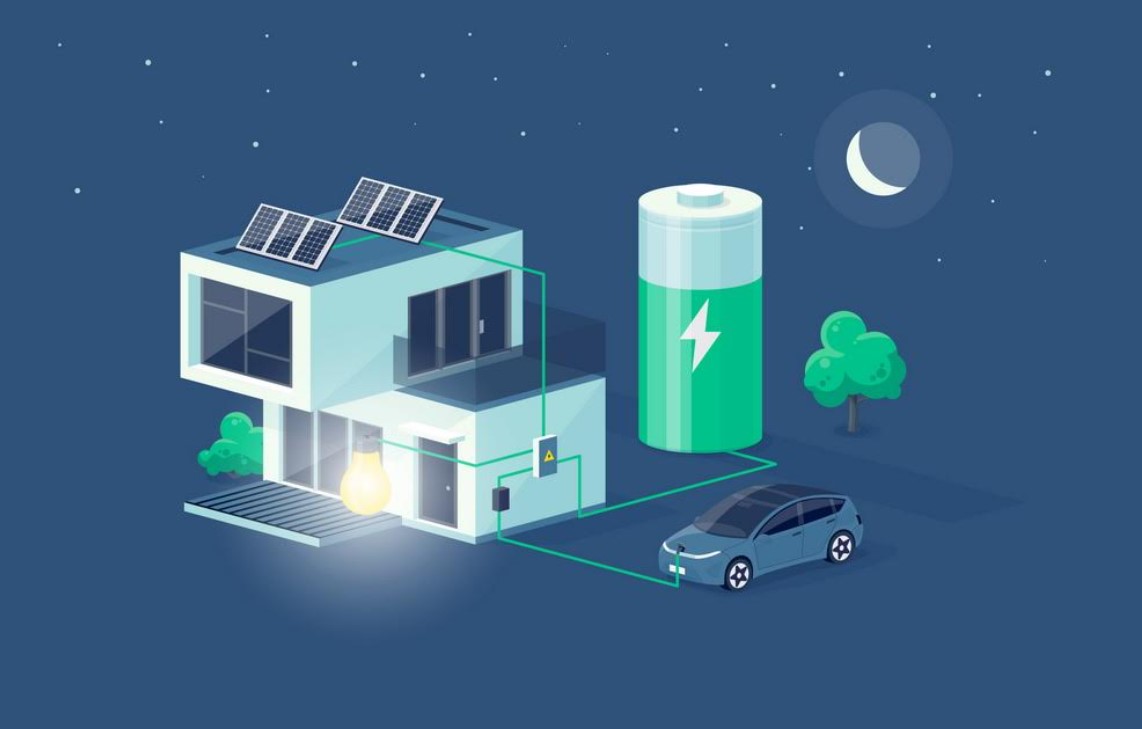
Rooftop solar panels provide clean, renewable power and lower utility bills. But matching solar energy generation to your household’s usage still requires a grid connection. The folk at Vivint Solar say that adding a solar battery system allows homeowners to tap into sun power anytime, achieving true energy independence. 

How Solar Battery Storage Functions

Solar panels produce direct current (DC) electricity whenever sunlight strikes their surface. This energy is converted to standard alternating current (AC) using inverters, so it is usable in your home. Any excess solar power not immediately consumed flows out to the utility grid.

With a solar battery, this excess energy gets stored in batteries rather than sent to the grid. The batteries then discharge power in the evening when solar production ceases. This cycle charges the batteries from the panels during daytime and powers your home using the stored energy at night. 

During a grid failure, the batteries continue supplying solar electricity. A battery management system oversees automatically switching between solar, battery and utility grid power as needed throughout each day.

Cutting Electricity Draw from the Grid

Adding battery storage allows your home solar system to rely much less on the traditional electric grid. Solar panels charge the batteries rather than exporting excess power to the grid. Then, overnight or during cloudy periods, you tap into the stored solar energy in batteries instead of drawing from the utility.

By covering more evening/nighttime loads with stored solar, average households can potentially supply 60% to 80% or more of their total usage with self-generated renewable energy. Solar battery systems provide a path to near or complete energy independence using free sunshine as fuel.

Going Off-Grid Permanently

With large enough solar arrays and battery capacity, some homeowners disconnect from the grid entirely. An off-grid solar design requires batteries substantial enough to power the home around the clock, even through multiple days of clouds or storms when solar output is minimal.

Living fully off-grid eliminates electric bills but requires vigilant power management. Without the grid as backup, excess daytime solar power must be prioritized for charging batteries to endure periods without sun. Conservation and efficiency are key to maintaining reserves.

Back-up Generators Still Recommended

Most solar battery systems keep a grid connection rather than going completely off-grid. Maintaining grid access provides a crucial backup to supplement batteries when needed. And grid power sometimes costs less than running down battery reserves you’ll have to recharge later.

Experts still recommend a back-up generator even with battery storage. Severe weather or other emergency grid failures can last multiple days, draining batteries faster than solar panels can replenish. A generator like those running on propane serves as an insurance policy.

Emergency Power Resilience 

Keeping your home livable during blackouts provides tremendous peace of mind. Solar battery systems with smart inverters continue supplying AC power to home circuits when the grid goes down. Refrigerators, lighting, charge electronics and critical medical devices stay operational for days using your stored solar energy. 

Compare that to the scrambling required with a generator – checking fuel levels, hauling it outdoors, connecting it safely to your home, etc. Solar energy storage provides automatic uninterrupted power even if you are away when an outage hits.

Conclusion

Experts emphasize that advancing solar power to reach its potential depends on continuing battery storage technology improvements. As storage capacity grows and costs keep decreasing, managing solar energy supply and demand will enable renewable energy to ultimately dominate.

Home solar battery systems already provide independence from the utility grid, emergency backup power, and financial savings. Innovations underway soon unlock the full promise of your home solar panels by storing their valuable energy output for use anytime you need it.

5 Sustainable Habits to Adopt at Home

5 Sustainable Habits to Adopt at Home

Embracing sustainability at home is not only a responsible and environmentally conscious decision but it is also a path towards reducing your ecological footprint and potentially saving you money.You can do many things to become more sustainable at home. The following habits are simple and doable and will make a difference over time. And remember, when it comes to protecting the environment, every little step really counts.

1.Save Energy with a Solar Battery System

One of the most powerful ways to promote sustainability at home is by installing a solar battery system. For an eco-friendly way of powering your home, the experts at solar energy company Vivint Solar suggest solar energy as the solution. Using solar panels to capture the sun’s energy and then store it helps to reduce any dependence you have on traditional energy sources. That could lead to savings on your electricity bill, as well as less harm to our planet. These days, solar battery systems are better and cheaper than ever before, meaning that they’re a realistic option for regular people who own homes.

2. Conserve Water

Water is a precious resource, soit’s important that we don’t waste it. To reduce water wastage, consider implementing the following practices:

  • Fix any leaks around your home, as even a small drip can result in significant water loss over time.
  • Install low-flow fixtures, such as showerheads and faucets, to reduce the amount of water you use without sacrificing water pressure.
  • Collect rainwater for gardening and other non-drinking purposes, and water your plants during the cooler parts of the day to minimize evaporation.

3. Practice Energy Efficiency

Being mindful of your energy consumption is an important step towards a sustainable lifestyle. To conserve energy at home:

  • Switch off lights and unplug electronics when not in use. You can also invest in energy-saving power strips that automatically cut off power to devices in standby mode.
  • Replace incandescent bulbs with energy-efficient alternatives, such as LED or CFL bulbs.
  • Insulate your home to prevent drafts and heat loss, thus reducing the need for excessive heating or cooling.

4. Embrace the “Three R’s”: Reduce, Reuse, Recycle

Minimizing waste production is an essential part of sustainable living. By following the “Three R’s” principle, you can significantly reduce your environmental footprint:

  • Reduce: Be mindful of your purchases and choose products with minimal packaging. Also, avoid single-use items and invest in durable, reusable alternatives.
  • Reuse: Before discarding an item, consider if it can be repurposed or donated. For example, turn old clothing into rags or use glass jars as storage containers.
  • Recycle: Sort your waste according to local recycling guidelines and ensure that recyclable materials are disposed of correctly.

5. Grow Your Own Food

Starting a home garden is a rewarding way to contribute to sustainability. When you grow your own fruits, vegetables, and herbs your reliance on industrially produced food reduces. Additionally, gardening can enhance your well-being by providing a therapeutic outlet and fostering a connection with nature.

Conclusion

There are so many benefits associated with making sustainable choices at home, not only helping protect the planet, but also benefiting your wallet as well. Making the decision to invest in a solar battery system means you can actively participate in the global shift towards renewable energy while simultaneously lowering your energy costs. Similarly, conserving water and practicing energy efficiency help preserve valuable resources and can lead to significant savings in the long run.Furthermore, embracing the “Three R’s” – reduce, reuse, and recycle – is an important part of sustainable living that contributes to waste reduction and the conservation of natural resources.

The Role of Gutter Maintenance in Protecting Your Home

The Role of Gutter Maintenance in Protecting Your Home

A home’s gutters play a crucial role in keeping the living space safe and damage-free. Often overlooked, gutters serve as the first line of defense against water damage, protecting a home’s foundation, walls, and roof. 

The Purpose of Gutters

The primary purpose of Rainguard gutters is to collect and channel rainwater away from a home. When functioning properly, gutters prevent water from pooling around the foundation, seeping into the walls, and damaging the roof. The experts at Global Gutter Systems say that without gutters, a home would be more susceptible to a host of problems including mold, mildew, and, worst of all, structural damage.

Neglecting the gutters can lead to a range of issues that can compromise the integrity of the home. Blocked gutters, for example, can cause water to overflow and saturate a home’s foundation, which could then lead to cracks and possibly basement flooding. Furthermore, debris built up in the gutters can result in water seeping under the roof, causing damage to the home’s interior.

The Importance of Regular Gutter Cleaning

To ensure your gutters continue to protect your home, it is important to carry out regular maintenance. This includes removing leaves, twigs, and other debris that can accumulate in the gutters over time. Ideally, you should clean the gutters at least twice a year, preferably during the spring and fall seasons.

If you are up for the task, you can clean the gutters yourself. First, make sure you have the right tools and safety equipment to hand, such as a sturdy ladder, gloves, and protective eyewear. Start by removing large debris with your hands or a gutter scoop and then use a garden hose to flush out smaller particles. Don’t forget to check and clean the downspouts as these play a crucial role in directing water away from the home.

Professional Gutter Maintenance

When to Seek Professional Assistance

While you may be comfortable cleaning the gutters by yourself, there are times when getting professional help is the best option. If the gutters are damaged, sagging, or improperly installed, it is wise to consult an expert who can identify and address underlying issues that may be compromising the home.

Benefits of Hiring Professionals

Hiring a professional gutter maintenance service offers several advantages. Not only can they thoroughly clean and inspect the gutters, but these experts can also identify potential problems before they escalate. Moreover, professionals have the expertise and tools to handle any necessary repairs, ensuring the gutters remain in optimal condition.

Additional Gutter Maintenance Tips

Gutter Guards

To help keep gutters clean and reduce the frequency of maintenance, consider installing rain gutter coverings. These protective screens or mesh filters prevent leaves and debris from entering the gutters while still allowing water to flow through.

Regular Inspections

Even with gutter guards in place, it is important to inspect the gutters regularly. Keep an eye out for signs of damage such as cracks, rust, or leaks. Addressing these issues promptly can save you time and money over the course of time.

Conclusion

Gutter maintenance may not be the most glamorous aspect of homeownership, but it is undeniably important. Investing time and effort in maintaining the gutters means you are protecting your home from potential water damage and costly repairs. Regular cleaning and inspections along with the installation of gutter guards can help ensure the gutters function effectively while prolonging their lifespan.

Remember, your home is likely one of your most significant investments. Taking care of its various components, including the gutters, is crucial for preserving its value and maintaining a safe and comfortable living environment. Don’t neglect the gutters – give them the attention they deserve to keep your home safe and sound.

The Importance of Plumbing Home Improvement in Los Angeles: A Guide to Upgrading Your Plumbing System

The Importance of Plumbing Home Improvement in Los Angeles: A Guide to Upgrading Your Plumbing System

If you’re a homeowner in Los Angeles, you know that home improvement projects are essential to maintaining your property’s value and keeping it in excellent condition. Plumbing, in particular, is a crucial aspect of home improvement that should not be overlooked. In this article, we’ll discuss the importance of plumbing home improvement in Los Angeles and how to go about it.

One of the most significant benefits of plumbing home improvement is that it can save you money in the long run. Fixing leaky faucets, replacing old pipes, and upgrading your plumbing fixtures can significantly reduce your water bills and prevent costly water damage to your property. Additionally, upgrading to energy-efficient plumbing fixtures can also save you money on your energy bills over time.

Another benefit of plumbing home improvement is that it can increase your property’s value. Potential homebuyers are willing to pay more for homes with upgraded plumbing systems, as it ensures that they won’t have to deal with any plumbing issues in the near future. Therefore, investing in plumbing home improvement projects can be a wise investment in your property’s future.

When it comes to plumbing home improvement in Los Angeles, it’s crucial to hire a reputable and experienced plumber. Look for plumbers that are licensed and insured and have experience working on similar projects. You can check their websites, read customer reviews, and ask for referrals from family and friends to find a trusted and reliable plumber.

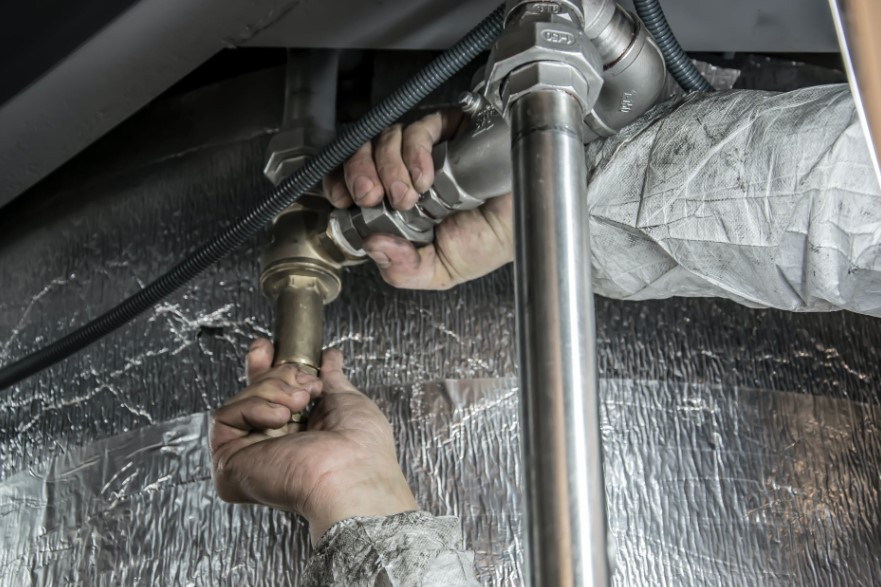
Some common plumbing home improvement projects in Los Angeles include replacing old pipes, upgrading fixtures, and installing new water heaters. It’s essential to work with your plumber to determine which projects are necessary based on your specific needs and budget.

Finally, it’s crucial to maintain your plumbing system regularly. Regular maintenance, such as cleaning your drains, inspecting pipes for leaks, and replacing worn-out parts, can prevent costly repairs down the road. It’s recommended to schedule routine maintenance with your plumber at least once a year to keep your plumbing system in excellent condition.

In conclusion, plumbing home improvement in Los Angeles is an essential aspect of maintaining your property’s value and keeping it in excellent condition. Upgrading your plumbing fixtures and replacing old pipes can save you money in the long run and increase your property’s value. It’s crucial to hire a reputable and experienced plumber and maintain your plumbing system regularly to prevent costly repairs down the road. By following these simple steps, you can ensure that your plumbing home improvement projects are successful and beneficial.