
Solar Panels and Battery Storage: Achieving Energy Independence at Home

Solar Panels and Battery Storage: Achieving Energy Independence at Home

Rooftop solar panels provide clean, renewable power and lower utility bills. But matching solar energy generation to your household’s usage still requires a grid connection. The folk at Vivint Solar say that adding a solar battery system allows homeowners to tap into sun power anytime, achieving true energy independence. 

How Solar Battery Storage Functions

Solar panels produce direct current (DC) electricity whenever sunlight strikes their surface. This energy is converted to standard alternating current (AC) using inverters, so it is usable in your home. Any excess solar power not immediately consumed flows out to the utility grid.

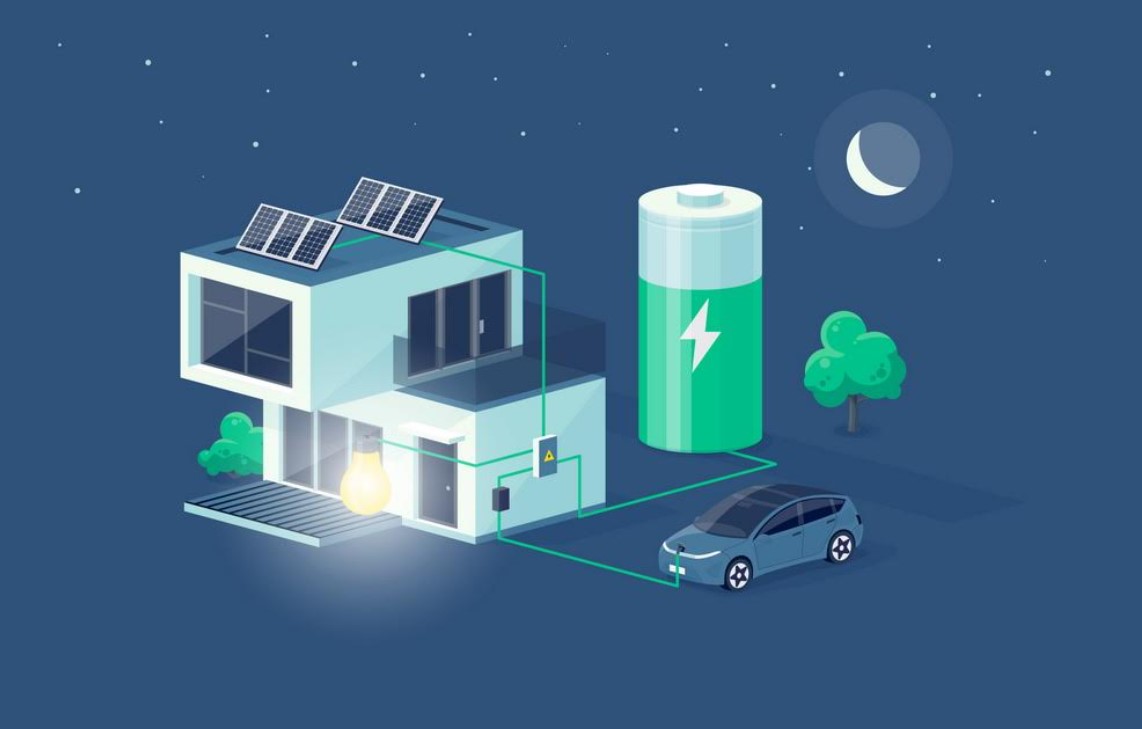
With a solar battery, this excess energy gets stored in batteries rather than sent to the grid. The batteries then discharge power in the evening when solar production ceases. This cycle charges the batteries from the panels during daytime and powers your home using the stored energy at night. 

During a grid failure, the batteries continue supplying solar electricity. A battery management system oversees automatically switching between solar, battery and utility grid power as needed throughout each day.

Cutting Electricity Draw from the Grid

Adding battery storage allows your home solar system to rely much less on the traditional electric grid. Solar panels charge the batteries rather than exporting excess power to the grid. Then, overnight or during cloudy periods, you tap into the stored solar energy in batteries instead of drawing from the utility.

By covering more evening/nighttime loads with stored solar, average households can potentially supply 60% to 80% or more of their total usage with self-generated renewable energy. Solar battery systems provide a path to near or complete energy independence using free sunshine as fuel.

Going Off-Grid Permanently

With large enough solar arrays and battery capacity, some homeowners disconnect from the grid entirely. An off-grid solar design requires batteries substantial enough to power the home around the clock, even through multiple days of clouds or storms when solar output is minimal.

Living fully off-grid eliminates electric bills but requires vigilant power management. Without the grid as backup, excess daytime solar power must be prioritized for charging batteries to endure periods without sun. Conservation and efficiency are key to maintaining reserves.

Back-up Generators Still Recommended

Most solar battery systems keep a grid connection rather than going completely off-grid. Maintaining grid access provides a crucial backup to supplement batteries when needed. And grid power sometimes costs less than running down battery reserves you’ll have to recharge later.

Experts still recommend a back-up generator even with battery storage. Severe weather or other emergency grid failures can last multiple days, draining batteries faster than solar panels can replenish. A generator like those running on propane serves as an insurance policy.

Emergency Power Resilience 

Keeping your home livable during blackouts provides tremendous peace of mind. Solar battery systems with smart inverters continue supplying AC power to home circuits when the grid goes down. Refrigerators, lighting, charge electronics and critical medical devices stay operational for days using your stored solar energy. 

Compare that to the scrambling required with a generator – checking fuel levels, hauling it outdoors, connecting it safely to your home, etc. Solar energy storage provides automatic uninterrupted power even if you are away when an outage hits.

Conclusion

Experts emphasize that advancing solar power to reach its potential depends on continuing battery storage technology improvements. As storage capacity grows and costs keep decreasing, managing solar energy supply and demand will enable renewable energy to ultimately dominate.

Home solar battery systems already provide independence from the utility grid, emergency backup power, and financial savings. Innovations underway soon unlock the full promise of your home solar panels by storing their valuable energy output for use anytime you need it.

5 Sustainable Habits to Adopt at Home

5 Sustainable Habits to Adopt at Home

Embracing sustainability at home is not only a responsible and environmentally conscious decision but it is also a path towards reducing your ecological footprint and potentially saving you money.You can do many things to become more sustainable at home. The following habits are simple and doable and will make a difference over time. And remember, when it comes to protecting the environment, every little step really counts.

1.Save Energy with a Solar Battery System

One of the most powerful ways to promote sustainability at home is by installing a solar battery system. For an eco-friendly way of powering your home, the experts at solar energy company Vivint Solar suggest solar energy as the solution. Using solar panels to capture the sun’s energy and then store it helps to reduce any dependence you have on traditional energy sources. That could lead to savings on your electricity bill, as well as less harm to our planet. These days, solar battery systems are better and cheaper than ever before, meaning that they’re a realistic option for regular people who own homes.

2. Conserve Water

Water is a precious resource, soit’s important that we don’t waste it. To reduce water wastage, consider implementing the following practices:

  • Fix any leaks around your home, as even a small drip can result in significant water loss over time.
  • Install low-flow fixtures, such as showerheads and faucets, to reduce the amount of water you use without sacrificing water pressure.
  • Collect rainwater for gardening and other non-drinking purposes, and water your plants during the cooler parts of the day to minimize evaporation.

3. Practice Energy Efficiency

Being mindful of your energy consumption is an important step towards a sustainable lifestyle. To conserve energy at home:

  • Switch off lights and unplug electronics when not in use. You can also invest in energy-saving power strips that automatically cut off power to devices in standby mode.
  • Replace incandescent bulbs with energy-efficient alternatives, such as LED or CFL bulbs.
  • Insulate your home to prevent drafts and heat loss, thus reducing the need for excessive heating or cooling.

4. Embrace the “Three R’s”: Reduce, Reuse, Recycle

Minimizing waste production is an essential part of sustainable living. By following the “Three R’s” principle, you can significantly reduce your environmental footprint:

  • Reduce: Be mindful of your purchases and choose products with minimal packaging. Also, avoid single-use items and invest in durable, reusable alternatives.
  • Reuse: Before discarding an item, consider if it can be repurposed or donated. For example, turn old clothing into rags or use glass jars as storage containers.
  • Recycle: Sort your waste according to local recycling guidelines and ensure that recyclable materials are disposed of correctly.

5. Grow Your Own Food

Starting a home garden is a rewarding way to contribute to sustainability. When you grow your own fruits, vegetables, and herbs your reliance on industrially produced food reduces. Additionally, gardening can enhance your well-being by providing a therapeutic outlet and fostering a connection with nature.

Conclusion

There are so many benefits associated with making sustainable choices at home, not only helping protect the planet, but also benefiting your wallet as well. Making the decision to invest in a solar battery system means you can actively participate in the global shift towards renewable energy while simultaneously lowering your energy costs. Similarly, conserving water and practicing energy efficiency help preserve valuable resources and can lead to significant savings in the long run.Furthermore, embracing the “Three R’s” – reduce, reuse, and recycle – is an important part of sustainable living that contributes to waste reduction and the conservation of natural resources.