Quality Ergonomic Furniture Designs: The Art of Ergonomic Harmony in Furniture Designs and Arrangement in Elevating Home Comfort and Aesthetics

Quality Ergonomic Furniture Designs: The Art of Ergonomic Harmony in Furniture Designs and Arrangement in Elevating Home Comfort and Aesthetics

Creating a harmonious blend of comfort, functionality, and aesthetics within home decor relies on the ergonomic harmony of furniture. It’s about selecting pieces that adhere to ergonomic standards and complement each other while aligning with personal style and room layout. The art of ergonomic and luxury furniture achieves a cohesive look where furniture harmonizes in theme, scale, and purpose. 

Ergonomics of furniture, focusing on design for human needs, ensures comfort, support, and well-being. In home decor, ergonomic furniture seamlessly merges with the design, offering visual appeal and physical comfort, enhancing the living experience. The article explores how furniture ergonomics plays a pivotal role in shaping home environments.

1. Prioritizes Functional Design of Furniture

Furniture ergonomics prioritizes functional design by tailoring furniture to meet human needs for comfort and usability. Reliable manufacturers craft contract grade furniture that aligns with natural body movements, encouraging better posture and minimizing strain during everyday tasks. It considers usage, individual preferences, and body types, offering customizable features that adapt to users’ needs.

By focusing on comfort and ease of use, ergonomic furniture ensures that individuals experience less physical discomfort and fatigue, enhancing overall well-being. Whether dining chairs, lounge chairs, side tables, outdoor sofas, or chaise lounges, key considerations may include adjustable features, proper lumbar support, and intuitive designs that facilitate effortless and comfortable use, contributing to a more supportive and user-friendly furniture experience.

2. Harmonizing Space Planning and Layout

Ergonomic furniture is the linchpin in harmonizing space planning and layout within any environment. Its adaptability, such as modular or adjustable designs, allows for versatile arrangements tailored to changing needs. It optimizes proportional use in compact or expansive areas without sacrificing usability, ensuring clear pathways and unhindered movement.

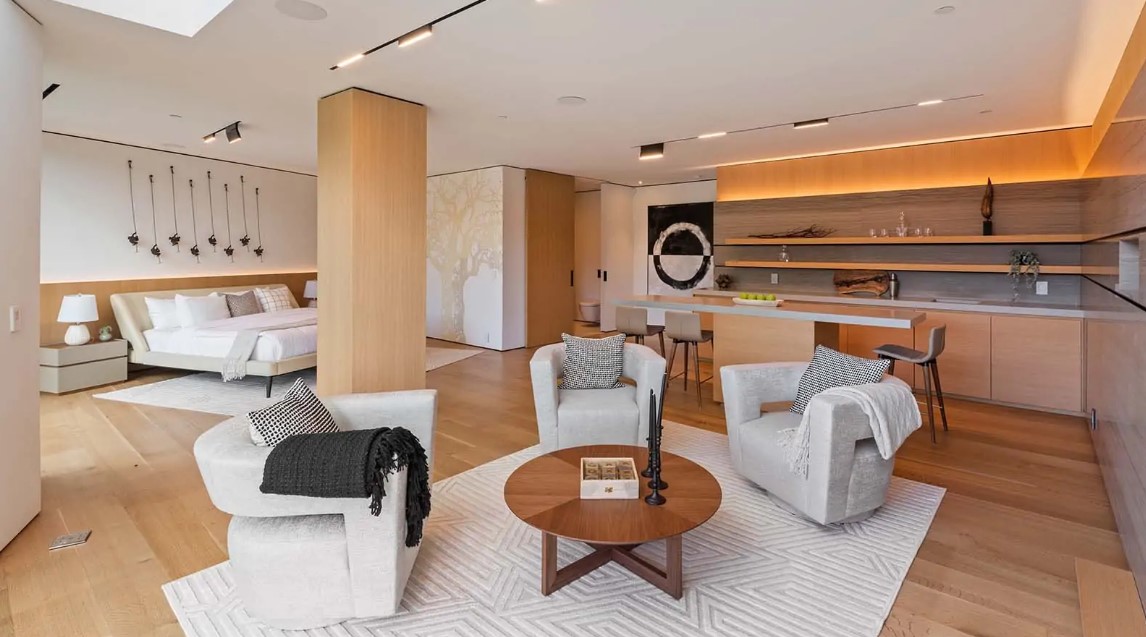
Moreover, contract-grade furniture helps align ergonomic principles between complementary furniture pieces like a coffee table and accent chairs or ottomans, fostering spatial furniture ergonomics harmony. A thoughtful furniture design integrates seamlessly with the overall aesthetic and defines purpose-driven spaces, enriching the environment with functionality and visual proportion.

Spatial ergonomics embodies a holistic approach to optimizing comfort and functionality through furniture choices, emphasizing cohesive ergonomics across items to create a unified, user-friendly environment that prioritizes comfort and efficiency throughout the spatial layout.

3. Enhances Health and Well-Being

Ergonomic furniture is a cornerstone in fostering health and well-being in living and work environments. Purpose-built luxury and ergonomic contract-grade furniture alleviate discomfort and strain associated with extended sitting by supporting the body’s natural movements. Specialized furniture prioritizes posture, reduces bodily tension, and bolsters comfort, productivity, and long-term health.

Featuring adjustable ergonomic chairs and thoughtfully crafted standing or adjustable desks, users customize their workspaces, encouraging movement and reducing sedentary habits. For example, well-sized dining tables, optimally cushioned seating, and supplementary accessories like ottomans for footrests amplify comfort, ensuring a holistic well-being approach. Precision sizing aligns with natural ergonomics, premium materials offer durability, and intelligently engineered designs cater to diverse body types, optimizing comfort without compromising functionality.

4. Overall Aesthetic Integration in Home Décor

Ergonomic furniture plays a pivotal role in harmonizing aesthetic integration within your home. Beyond its functional benefits, quality ergonomic furniture designs fuse with the interior, enriching your living space’s visual appeal. By balancing comfort with style, ergonomic pieces foster a cohesive and harmonious ambiance. For example, folk dining chairs, indoor sofas, and coffee tables, with sleek lines and timeless designs, complement diverse interior aesthetics.

The fusion of functionality and visual allure ensures each piece serves a dual purpose, adding charm while enhancing design coherence. The harmonious blend contributes to spatial arrangement, elevating your home’s ambiance. Curating contract-grade furniture from reputable showrooms ensures lasting ergonomic excellence, shaping your space’s lasting allure and spatial harmony.

Choose Contract Grade Furniture for a Fulfiling Luxury, Durability, and Ergonomics Excellence

Curating furniture that harmonizes luxury with ergonomics ensures comfort and functionality in your home or office, surpassing standard expectations. Contract-grade furniture stands central in meeting ergonomic and luxury furniture needs while offering durability and functionality. Identifying a reliable showroom prioritizing luxury, durability, and ergonomics as core principles in crafting contract-grade furniture becomes imperative for spaces that blend luxury with comfort, catering to discerning tastes while ensuring lasting quality and unparalleled comfort.

Setting the Perfect Holiday Table: Elegant Christmas Dinner Sets

Setting the Perfect Holiday Table: Elegant Christmas Dinner Sets

Key Takeaways:

  • Choosing the right Christmas dinner set is crucial for creating the perfect table ambiance.
  • Consider factors like size, durability, design, and style when selecting a dinner set.
  • Traditional dinner sets evoke nostalgia, while modern sets bring a contemporary vibe.
  • Materials like porcelain, bone china, stoneware, and glass add elegance to your table.
  • Select a tablecloth that complements your dinner set and consider fabric and size.
  • Create a festive centerpiece using seasonal flowers, greenery, and candles.
  • Experiment with napkin folding techniques to add elegance to your table.
  • Proper napkin placement, utensil placement, and table etiquette are essential for a formal dinner.
  • Personalize your table with DIY decorations, personalized place cards, and festive lighting.

1. Choosing the Perfect Christmas Dinner Set

When it comes to hosting a memorable Christmas dinner, setting the perfect table is essential.  Well-chosen Christmas dinner sets can significantly impact the overall ambiance and aesthetic of your table. However, selecting the right dinner set can be daunting with so many options available. This section will explore the factors to consider when choosing a dinner set, the difference between traditional and modern styles, and the materials that can add elegance to your table.

1.1 Factors to Consider When Selecting a Dinner Set

Before purchasing a Christmas dinner set, it’s essential to consider various factors to ensure it meets your specific needs and preferences. One crucial factor to consider is the size of your dinnerware set. It’s important to choose a set that can accommodate the number of guests you typically host, including extra plates and serving dishes for festive meals. Additionally, consider the durability and practicality of the dinner set. Opt for dishwasher and microwave-safe materials, making it easier to clean up after the festivities.

Another factor to consider is the design and style of the dinner set. Decide on a theme or color scheme that complements your dining room decor or the Christmas theme. Whether you prefer a traditional or modern style, selecting a dinner set that reflects your personal taste will add a unique touch to your holiday table.

1.2 Traditional vs. Modern: Which Style Fits Your Personality?

When choosing a Christmas dinner set, deciding between a traditional or modern style that best suits your personality and the overall ambiance you wish to create is important. Traditional dinner sets often feature classic patterns like holly leaves, Christmas trees, or snowflakes. These designs evoke a sense of nostalgia and create a warm and cozy atmosphere.

On the other hand, modern dinner sets embrace sleek and minimalist designs, often featuring geometric patterns or metallic accents. These sets bring a contemporary and sophisticated vibe to your holiday table, making them perfect for those who prefer a more contemporary aesthetic.

Ultimately, the choice between traditional and modern styles comes from personal preference and the atmosphere you want to create. You can also consider mixing and matching elements of both styles to create a unique and eclectic holiday table setting.

1.3 Materials That Add Elegance to Your Table

The choice of material for your Christmas dinner set can significantly impact the overall elegance of your table. Various materials offer different levels of durability, aesthetic appeal, and maintenance requirements. Here are a few materials known for adding elegance to your holiday table:

  1. Porcelain: Porcelain dinner sets exude sophistication and elegance. Known for its delicate and translucent nature, porcelain provides a refined and luxurious touch to your table setting. It is also durable and can withstand the rigors of daily use.
  2. Bone China: Bone China is a type of porcelain made with the addition of bone ash. It is renowned for its exceptional strength and lustrous appearance. Bone china dinner sets often feature intricate designs and are favored for their luxurious and timeless appeal.
  3. Stoneware: Stoneware dinner sets are known for their rustic and earthy charm. They offer a more casual and relaxed feel than porcelain or bone china, making them ideal for a cozy and laid-back Christmas gathering.
  4. Glass: Glass dinner sets add a touch of elegance and modernity to your holiday table. With their transparent and reflective nature, glass plates and bowls create a visually stunning presentation. They are also versatile and can be paired with various table settings.

When choosing the material for your dinner set, consider the overall style and ambiance you want to create, as well as the practicality of the material in terms of maintenance and durability.

2. Dressing up Your Holiday Table

Once you’ve selected the perfect Christmas dinner set, it’s time to dress up your holiday table to create a festive and inviting atmosphere. From choosing the right tablecloth to creating a centerpiece that wows, this section will guide you through transforming your table into a holiday masterpiece.

2.1 Setting the Foundation: Choosing the Right Tablecloth

A tablecloth is the foundation of your table decor and sets the tone for the entire dining experience. Start by considering the color and pattern that complements your dinner set and the theme you want to convey. Traditional Christmas colors like red, green, and gold are popular choices, but you can also opt for a neutral tablecloth and add pops of holiday colors through other elements.

When choosing a tablecloth, consider the size and shape of your table. Opt for a tablecloth that hangs about 6 to 10 inches over the edge, ensuring it doesn’t interfere with guests’ seating or get caught in their laps. Additionally, select a fabric that suits the formality of your gathering. Crisp and luxurious fabrics like linen or damask are ideal for formal dinners, while cotton or polyester blends are more suitable for casual gatherings.

2.2 Creating a Festive Centerpiece That Wows

A well-designed centerpiece can become the focal point of your holiday table, adding a touch of magic to the ambiance. When creating a Christmas centerpiece, consider incorporating elements that capture the festive spirit and reflect your personal style.

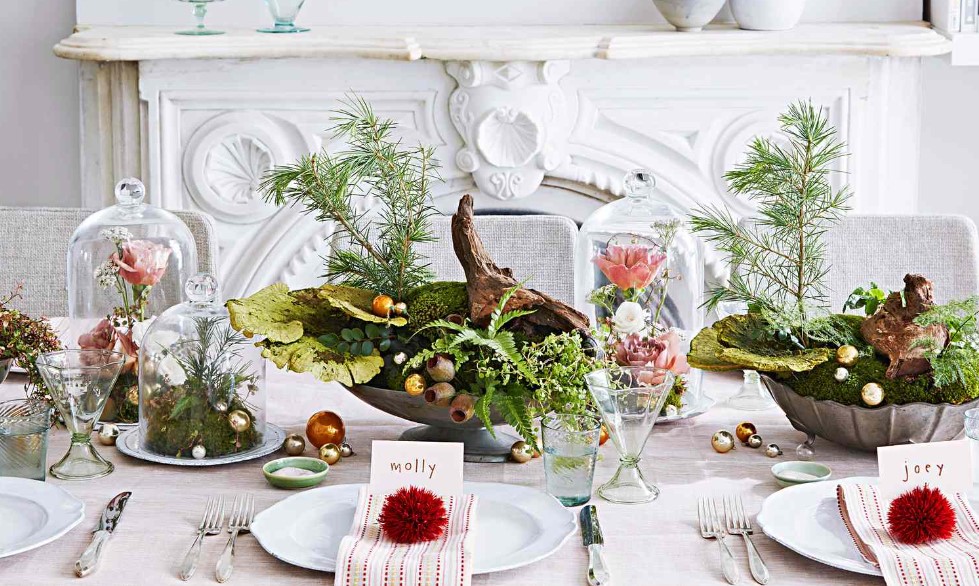
One popular option is a floral centerpiece featuring seasonal flowers and greenery. Arrange blooms such as poinsettias, holly branches, or Christmas roses in an elegant vase or a rustic basket for a traditional touch. Add accents like pinecones, berries, or ornaments to enhance the festive vibe.

If you prefer a non-traditional centerpiece, consider using natural elements like branches, twigs, and evergreen foliage to create a rustic and organic look. Incorporating candles can also add warmth and coziness to your table. Opt for unscented candles in festive colors like gold, silver, or red.

2.3 The Magic of Napkin Folding: Simple Tips and Tricks

Napkin folding is an art that can elevate your table setting and impress your guests. You can transform simple napkins into intricate designs with a little practice and creativity. Here are a few simple napkin folding techniques to add a touch of elegance to your holiday table:

  1. Classic Fan Fold: Lay the napkin flat and accordion-fold it back and forth until it forms a compact rectangle. Secure it in the center with a napkin ring or festive ribbon.
  2. Pocket Fold: Fold the napkin in half diagonally to form a triangle. Fold the bottom corner up to meet the top corner, creating a smaller triangle. Fold the right and left corners of the triangle towards the center, overlapping slightly, to form a pocket.
  3. Christmas Tree Fold: Fold the napkin into a square and then into a triangle. Starting from the bottom, accordion-fold the napkin up towards the top, leaving a small portion at the top unfolded. Fan out the folded portion to create a Christmas tree shape.

Experiment with different napkin folding techniques to find the style that suits your table and dinner set, adding a delightful touch to your holiday decor.

3. Dining Etiquette for a Memorable Christmas Dinner

Apart from creating a visually stunning holiday table, ensuring a memorable dining experience for your guests is essential. This section will guide you through some dining etiquette tips that will help you host a formal and graceful Christmas dinner.

3.1 Napkin Placement and Proper Use

Proper napkin placement is an essential aspect of table etiquette. As a host, you should set an example by placing your napkin on your lap as soon as you sit down. Guests should follow suit, unfolding their napkins and placing them on their laps.

Encourage guests to use their napkins to dab their mouths and hands discreetly throughout the meal. After the meal, leave your napkin semi-folded on the left side of your plate. This signals that you have finished your meal, and the server can clear your place.

3.2 Utensil Placement: A Guide to Formal Table Settings

A formal table setting requires proper placement of utensils to create an elegant and sophisticated look. Here are a few guidelines for utensil placement:

  1. Forks: Place the forks to the left of the dinner plate, with the salad fork on the outer left and the dinner fork closest to the plate.
  2. Knives: Place the knives to the right of the dinner plate, with the blade facing inward. The dinner knife is closest to the plate, followed by the salad knife.
  3. Spoons: Place the spoons to the right of the knives, with the soup spoon outermost and the dessert spoon closest to the plate.

Remember that utensils are used from the outside in, so guests know which fork, knife, or spoon to use for each course. Proper utensil placement adds sophistication to your table setting and ensures a smooth and enjoyable dining experience.

3.3 Hosting with Grace: Tips for Serving and Dining

Hosting a formal Christmas dinner requires not only attention to detail but also grace and hospitality. Here are a few tips to help you host with elegance:

  1. Serving the Food: Serve dishes from the left and remove them from the right. Use serving utensils suitable for each dish, ensuring that they complement your dinner set and table decor.
  2. Seating Arrangement: Plan your seating arrangement thoughtfully, taking into account the dynamics and preferences of your guests. Seat guests strategically, alternating between male and female and balancing personalities to facilitate engaging conversations.
  3. Engage in Polite Conversation: Initiate and participate in polite conversation throughout the meal, ensuring everyone feels included and comfortable. Avoid controversial or sensitive topics and focus on creating a pleasant and festive atmosphere.

By paying attention to these etiquette tips, you can create a memorable and refined dining experience for your guests, leaving a lasting impression.

4. Adding Personal Touches to Your Holiday Table

While elegance and formality are crucial for setting a holiday table, adding personal touches can make the experience even more meaningful and intimate. This section will explore various ways to personalize your holiday table and create a warm and inviting atmosphere.

4.1 DIY Christmas Table Decorations on a Budget

You don’t need to break the bank to create beautiful Christmas table decorations. DIY projects can add a personal and budget-friendly touch to your holiday table. Here are a few ideas to get you started:

  1. Homemade Place Cards: Create custom place cards using craft paper, calligraphy, and festive embellishments like ribbons or pinecones. These personalized place cards add a thoughtful and intimate touch to each guest’s seat.
  2. Nature-inspired Decor: Incorporate elements from nature into your table decor. Collect pinecones, acorns, or branches and spray paint them in festive colors like gold or silver. Display them in a decorative bowl or scatter them around the centerpiece for a rustic and organic look.
  3. DIY Candleholders: Repurpose glass jars or bottles by wrapping them with twine or ribbon. Insert a pillar candle or a tea light to create a cozy and warm ambiance. For an added touch, you can also stencil or paint festive designs on the jars.

4.2 Personalizing Place Cards: A Simple Gesture with a Big Impact

Personalized place cards not only help guests find their seats but also make them feel welcomed and appreciated. Adding a personal touch to each place card can create a warm and intimate atmosphere at your Christmas dinner.

Consider including a short handwritten note or a small keepsake with each place card. This gesture shows your guests that you put thought and effort into making them feel special. Personalized place cards can be simple, yet they significantly impact creating a memorable dining experience.

4.3 Creative Ways to Incorporate Festive Lighting

Festive lighting can enhance the ambiance of your holiday table, creating a warm and inviting atmosphere. Here are a few creative ways to incorporate festive lighting into your table decor:

  1. String Lights: Drape string lights along the center of the table or weave them through the centerpiece for a magical and enchanting glow.
  2. Candle Lanterns: Place pillar candles or tea lights in decorative lanterns or hurricane vases to create an intimate and cozy atmosphere.
  3. LED Candles: If you prefer the look of candles but want a safer option, consider using LED candles. These battery-powered candles provide a soft and warm glow without the risk of fire.

Experiment with different lighting options to find what suits your table decor and creates the desired ambiance for your Christmas dinner.

Setting the perfect holiday table involves carefully considering various elements, from choosing the right dinner set to adding personal touches that make the experience unique. By delving deep into each aspect, you can create a comprehensive guide that will empower readers to host a memorable and elegant Christmas dinner.

FAQ

Question: How do I choose the perfect Christmas dinner set? Answer: When selecting a Christmas dinner set, consider factors like size, durability, design, and style. Choose a set that can accommodate the number of guests you typically host and opt for dishwasher and microwave-safe materials. Select a design and style that complements your dining room decor or the overall Christmas theme.

Question: What is the difference between traditional and modern dinner sets? Answer: Traditional dinner sets feature classic patterns like holly leaves, Christmas trees, or snowflakes, creating a warm and cozy atmosphere. Modern dinner sets embrace sleek and minimalist designs, often with geometric patterns or metallic accents, giving your holiday table a contemporary and sophisticated vibe.

Question: What materials add elegance to a holiday table? Answer: Porcelain, bone china, stoneware, and glass are materials known for adding elegance to a holiday table. Porcelain and bone china provide a refined and luxurious touch, while stoneware offers a rustic and earthy charm. Glass creates a visually stunning presentation and adds a touch of modernity.

Question: How do I choose the right tablecloth for my holiday table? Answer: Choose a tablecloth that complements your dinner set and the overall theme. Consider the size and shape of your table, ensuring the tablecloth hangs about 6 to 10 inches over the edge. Select a fabric suitable for the formality of your gathering, such as linen or damask for formal dinners and cotton or polyester blends for casual gatherings.

Question: How can I create a festive centerpiece for my holiday table? Answer: Create a festive centerpiece using seasonal flowers, greenery, and candles. Arrange blooms like poinsettias and holly branches in an elegant vase or a rustic basket. You can also incorporate natural elements like branches, twigs, and evergreen foliage for a rustic and organic look. Adding candles in festive colors like gold, silver, or red can enhance the warmth and coziness of the centerpiece.

Question: What are some napkin folding techniques I can use? Answer: Some simple napkin folding techniques to add elegance to your table include the classic fan, pocket, and Christmas tree folds. The classic fan fold involves accordion-folding the napkin into a compact rectangle. The pocket fold creates a pocket by folding a triangular napkin. The Christmas tree fold creates a Christmas tree shape by accordion-folding a square napkin.

Question: What are some dining etiquette tips for a formal Christmas dinner? Answer: Proper napkin placement is essential, with guests placing their napkins on their laps throughout the meal and leaving them semi-folded on the left side of their plates after finishing. Utensils should be placed with forks to the left, knives to the right, and spoons to the right of the knives. Serve dishes from the left and remove them from the right. Engage in polite conversation and avoid controversial topics to create a pleasant and festive atmosphere.

Question: How can I personalize my holiday table? Answer: Personalize your holiday table by incorporating DIY decorations like homemade place cards, nature-inspired decor, and DIY candleholders. Create custom place cards using craft paper and embellishments, incorporate natural elements like pinecones and branches, and repurpose glass jars with twine or ribbon for candleholders. Additionally, consider adding personal touches to the place cards with handwritten notes or small keepsakes and incorporating festive lighting with string lights, candle lanterns, or LED candles.

Useful Resources:

  • The Spruce – Provides tips and guides on home decor, including setting the perfect holiday table.
  • Real Simple – Offers ideas and inspiration for hosting holiday dinners and creating beautiful table settings.
  • Better Homes & Gardens – Features articles and tutorials on home decorating, entertaining, and tablescapes.
  • Country Living – Provides tips, DIY projects, and inspiration for creating a cozy and festive holiday table.
  • Martha Stewart – Offers a variety of resources on entertaining, including table setting ideas and DIY projects.
  • YouTube – Offers video tutorials on table setting, napkin folding techniques, and holiday table decorations.
  • Etiquette Scholar – Provides information on proper table manners and dining etiquette for formal dinners.
  • House Beautiful – Offers tips and inspiration for creating stylish and elegant holiday table settings.

Solar Panels and Battery Storage: Achieving Energy Independence at Home

Solar Panels and Battery Storage: Achieving Energy Independence at Home

Rooftop solar panels provide clean, renewable power and lower utility bills. But matching solar energy generation to your household’s usage still requires a grid connection. The folk at Vivint Solar say that adding a solar battery system allows homeowners to tap into sun power anytime, achieving true energy independence. 

How Solar Battery Storage Functions

Solar panels produce direct current (DC) electricity whenever sunlight strikes their surface. This energy is converted to standard alternating current (AC) using inverters, so it is usable in your home. Any excess solar power not immediately consumed flows out to the utility grid.

With a solar battery, this excess energy gets stored in batteries rather than sent to the grid. The batteries then discharge power in the evening when solar production ceases. This cycle charges the batteries from the panels during daytime and powers your home using the stored energy at night. 

During a grid failure, the batteries continue supplying solar electricity. A battery management system oversees automatically switching between solar, battery and utility grid power as needed throughout each day.

Cutting Electricity Draw from the Grid

Adding battery storage allows your home solar system to rely much less on the traditional electric grid. Solar panels charge the batteries rather than exporting excess power to the grid. Then, overnight or during cloudy periods, you tap into the stored solar energy in batteries instead of drawing from the utility.

By covering more evening/nighttime loads with stored solar, average households can potentially supply 60% to 80% or more of their total usage with self-generated renewable energy. Solar battery systems provide a path to near or complete energy independence using free sunshine as fuel.

Going Off-Grid Permanently

With large enough solar arrays and battery capacity, some homeowners disconnect from the grid entirely. An off-grid solar design requires batteries substantial enough to power the home around the clock, even through multiple days of clouds or storms when solar output is minimal.

Living fully off-grid eliminates electric bills but requires vigilant power management. Without the grid as backup, excess daytime solar power must be prioritized for charging batteries to endure periods without sun. Conservation and efficiency are key to maintaining reserves.

Back-up Generators Still Recommended

Most solar battery systems keep a grid connection rather than going completely off-grid. Maintaining grid access provides a crucial backup to supplement batteries when needed. And grid power sometimes costs less than running down battery reserves you’ll have to recharge later.

Experts still recommend a back-up generator even with battery storage. Severe weather or other emergency grid failures can last multiple days, draining batteries faster than solar panels can replenish. A generator like those running on propane serves as an insurance policy.

Emergency Power Resilience 

Keeping your home livable during blackouts provides tremendous peace of mind. Solar battery systems with smart inverters continue supplying AC power to home circuits when the grid goes down. Refrigerators, lighting, charge electronics and critical medical devices stay operational for days using your stored solar energy. 

Compare that to the scrambling required with a generator – checking fuel levels, hauling it outdoors, connecting it safely to your home, etc. Solar energy storage provides automatic uninterrupted power even if you are away when an outage hits.

Conclusion

Experts emphasize that advancing solar power to reach its potential depends on continuing battery storage technology improvements. As storage capacity grows and costs keep decreasing, managing solar energy supply and demand will enable renewable energy to ultimately dominate.

Home solar battery systems already provide independence from the utility grid, emergency backup power, and financial savings. Innovations underway soon unlock the full promise of your home solar panels by storing their valuable energy output for use anytime you need it.

Problems Your Home Survey Might Find


Problems your home survey might find

Getting a home survey is often an underestimated step in the homebuying journey. 

After the initial excitement of finding a potential dream home, the process of understanding its structural and functional integrity begins. 

A home survey offers peace of mind by unveiling any lurking issues in your would-be residence. Here’s why obtaining a home survey and a list of the common problems that might emerge is paramount.

What is a home survey?

A home survey is a comprehensive inspection conducted by a professional – usually a chartered surveyor, like GB Home Surveys – to assess the condition of a property. 

Think of it as a health check for homes. While outward appearances might be deceiving, a home survey delves deeper, scrutinising visible and underlying issues to provide a detailed report on the property’s condition.

The home survey report becomes a valuable tool for the buyer, equipping them with knowledge, which is imperative when making one of the most significant financial decisions of their life. 

Whether renegotiating the property’s price, understanding potential future repairs or deciding if the investment is worth it, a home survey is an indispensable guide.

The importance of getting a home survey

With a comprehensive understanding of the property’s condition, you can decide with clarity whether to proceed with the purchase, renegotiate the offer or look for a different property.

A home survey can flag potential repairs and maintenance you’ll need to undertake. This insight is vital in budgeting and negotiating the home’s price.

Above all, your new home should be a safe haven. A home survey ensures no hidden dangers lurk within its walls, floors or foundations.

Common problems uncovered by home surveys

Many homes have issues, either obvious or hidden, that can affect their value and cause problems later down the line. Some of the most common problems a home survey aims to uncover include: 

  • Damp: One of the most frequently encountered problems is damp. Whether it’s rising damp from the ground, penetrating damp from external walls or condensation-related issues, damp can lead to mould growth and structural damage if left unchecked.
  • Structural integrity: Any signs of a building having shifted on its foundations, such as bulging walls or cracks, can be a significant concern. Causes range from tree roots and subsidence to inadequate structural repairs.
  • Roof problems: Roofs have a lifespan. From missing tiles, sagging or wear and tear to more severe issues like woodworm in roof timbers, roofing issues can lead to water ingress and substantial repair costs.
  • Faulty wiring: Outdated or subpar electrical systems are expensive to fix and can also be a fire hazard. A home survey can highlight areas needing an electrical overhaul.
  • Poor insulation: Inadequate insulation can lead to escalating heating bills. If a home is not sufficiently insulated, it’s essential to know upfront to prepare for higher energy costs or the expense of adding insulation.
  • Plumbing and drainage issues: Old or faulty plumbing can result in low water pressure, leaks or even the risk of pipe bursts. Moreover, drainage issues can lead to damp or, in severe cases, structural damage.
  • Woodworm, rot and infestations: While woodworm holes might look harmless, they can compromise the structural integrity of the timber. Similarly, rot, if unchecked, can damage wooden structures. Infestations, whether rodents or insects, can pose hygiene concerns and potential structural issues.
  • Windows and doors: Inefficient sealing or outdated single glazing can lead to heat loss. Problems with window frames, such as rotten wood, can also lead to future expenses.
  • Asbestos: Asbestos, particularly in older properties, can be a significant concern due to the health risks associated with its fibres. Identifying and safely removing asbestos is vital.
  • Legal issues: A home survey can highlight boundary disputes, rights of way issues or problems with planning permission and building regulations. While not physical issues, these can become significant hurdles in the homebuying process.

Why you need a home survey

Unveiling the secrets that a home might be hiding is crucial for every prospective buyer. 

While a property might appear perfect during a viewing, underlying issues can turn a dream home into a financial and emotional nightmare. It’s like peeling an onion; each layer might reveal something new. 

This is where a home survey becomes invaluable. By understanding potential problems beforehand, you’re in a position of knowledge and power. 

You can make a well-informed decision, negotiate a better price, or set aside funds for future repairs. It’s always better to tread with caution and insight, ensuring your investment is sound for years to come.

The Common Options for Commercial Air Conditioning

The Common Options for Commercial Air Conditioning

Cooling or heating a commercial space is a very different proposition to air conditioning a standard home.

There’s size to consider, available air conditioning technology to factor in, and the cost of maintaining climate control within a commercial stetting.

Here’s a rundown of the common options available when it comes to commercial air conditioning

Chilled water systems

Suited to very large commercial spaces like factories, shopping centres, and airports, chilled water systems use water as a secondary refrigerant.

This water is cooled by refrigerant then piped through each room to lower the temperature. Known as versatile and efficient, chilled water systems are excellent at cooling large, open commercial spaces, but they do come at a cost in terms of installation.

Variable refrigerant flow (VRF) systems

Common in locations like hospitals, schools, office blocks and hotels, variable refrigerant flow systems allow individual areas to be heated and cooled separately.

The technology employs one outdoor unit to control multiple indoor units, and the term variant refrigerant flow refers to their ability to control the flow of refrigerant to each of these indoor units.

VRF is renowned for its excellent controllability and efficiency, and can boast significant energy (and cost) savings when compared to traditional units.

It also features superior dehumidification ability.

Large split ducted systems

Large split ducted systems work in much the same way as the ducted systems utilised in homes. They utilise one exterior unit to channel heat or cold through ducted piping to specific zones.

Ducted split systems allow users to control areas of an office or building, switching these zones off when not in use.

These systems are renowned as extremely quiet and also offer excellent air quality.

Split systems and multi-split systems

Split air conditioning systems are generally employed in commercial settings where one specific area or just a couple of areas need to be cooled.

They are generally more suited to small offices and restaurants rather than large commercial premises. Split systems and multi-split systems work in much the same way as standard home air-conditioning where individual units are installed to heat or cool individual areas.

This offers the ability to only use the air conditioner when required and to utilise each system to heat or cool to a different extent.

So, for example, in a small restaurant, one air conditioner might be used to cool the front of house, while a second air conditioner in the kitchen might be set to a lower temperature to keep kitchen staff cool.

Which system?

Each commercial space is different, and when it comes to deciding which system would best suit your needs, you should seek the advice of a reputable commercial air conditioning installer who can assess the building and devise a system that best suits your needs.

About Climacool

Servicing the greater Sydney region, Climacool Air Conditioning prides itself on superior service and quality workmanship.

We work with the leading brands in the field of heating and cooling, and have an enviable reputation for meeting the needs of our valued commercial clientele in air conditioning installation, service, and repairs.

You can learn more about our commercial services here, or contact us directly for assistance in selecting, installing and maintaining the right air conditioning system for your business.