Understanding the Health Home Team Structure

Understanding the Health Home Team Structure

In today’s ever-evolving healthcare environment, one phrase has been gaining well-deserved traction: health home team structure. Designed as a collaborative approach to managing chronic conditions and complex health needs, this model is transforming the patient care landscape across the globe.

What Is a Health Home?

A health home is not a physical building—it’s a coordinated, comprehensive care management approach. It brings together a diverse set of healthcare professionals to work as a single, harmonious unit focused on the holistic well-being of the patient. At its heart lies the health home team structure, the engine that keeps this integrated model functioning smoothly.

Core Philosophy of the Health Home Team Structure

The core philosophy behind the health home team structure is rooted in patient-centered care. The structure aims to break down silos between healthcare professionals. Rather than fragmented, episodic treatment, the model advocates for consistent, organized, and strategic intervention from a dedicated team.

Who Makes Up the Health Home Team?

The health home team structure typically includes a range of professionals, each playing a distinct and essential role.

1. Primary Care Provider (PCP)

Often the anchor of the team, the PCP is responsible for diagnosing, prescribing, and overseeing general health care. They serve as the first point of contact and the central decision-maker.

2. Care Manager

The care manager ensures that every moving part in the system is aligned. They manage appointments, referrals, and follow-ups while ensuring care plans are being executed effectively.

3. Behavioral Health Specialist

Mental wellness is deeply entwined with physical health. This specialist focuses on psychological evaluations, therapy, and coordination with psychiatric providers if needed.

4. Social Worker

Social determinants of health—like housing, transportation, and food security—are tackled by the social worker. They connect patients with vital community resources.

5. Nutritionist or Dietitian

For patients managing chronic diseases like diabetes or hypertension, dietary advice is not just beneficial—it’s critical. Nutritionists guide sustainable and personalized eating habits.

6. Pharmacist

Medication management is streamlined through the expertise of a pharmacist. They review prescriptions, assess interactions, and educate patients.

7. Peer Support Specialist

Having someone with lived experience—someone who has walked a similar path—can be incredibly empowering for patients. Peer support specialists offer empathy, motivation, and mentorship.

Functions of a Health Home Team Structure

Beyond just medical intervention, the health home team structure orchestrates a suite of coordinated functions to uplift every aspect of a patient’s life.

Coordinated Care Planning

Every patient receives a customized care plan that aligns medical goals with personal values. This dynamic document evolves with the patient’s needs and progress.

Real-Time Communication

The team utilizes health information technology to share updates, test results, and concerns. Transparent, real-time communication is a cornerstone of the model.

Crisis Intervention

When a patient faces an emergency, the team mobilizes swiftly. Whether it’s a mental health breakdown or a sudden illness, the team acts as a unified front.

Regular Team Huddles

Weekly or bi-weekly meetings ensure everyone stays updated on patients’ progress and challenges. These team huddles foster accountability and creativity.

Benefits of an Effective Health Home Team Structure

The advantages of a well-functioning health home team structure ripple out far beyond just clinical metrics.

Improved Patient Outcomes

With coordinated monitoring, early intervention, and holistic support, patients experience better outcomes—from reduced hospital admissions to stabilized chronic conditions.

Higher Patient Satisfaction

Patients feel genuinely heard and supported. The wraparound care instills a sense of trust and confidence, drastically improving satisfaction rates.

Reduced Healthcare Costs

By preventing complications and avoiding redundant tests or emergency visits, this model significantly cuts down healthcare expenses.

Empowered Healthcare Professionals

Providers working within a health home team structure often report higher job satisfaction. They operate with clarity of purpose and support from peers.

Technology and the Health Home Team Structure

In a modern health home, technology serves as the invisible thread weaving together all elements of care.

Electronic Health Records (EHRs)

EHRs allow instant access to medical histories, lab results, medication lists, and provider notes, streamlining decision-making.

Patient Portals

Patients can communicate with the care team, schedule appointments, view lab results, and manage medications with ease.

Telehealth Integration

Remote visits ensure that care remains continuous, accessible, and safe—especially for those in rural or underserved areas.

Challenges in Implementing the Health Home Team Structure

While the model is promising, there are hurdles to be navigated.

Workforce Shortages

Recruiting and retaining skilled professionals—especially in behavioral health and care management—can be difficult.

Funding Constraints

Sustainable funding is essential. Without it, the structure can crumble under the weight of unmet needs.

Interdisciplinary Coordination

Getting different professionals to collaborate fluidly, particularly if they hail from different organizations, requires robust leadership and streamlined processes.

Policy and the Future of Health Homes

Government policy significantly influences the evolution of the health home team structure. Programs like Medicaid Health Homes have catalyzed progress across states by offering financial incentives and operational guidelines.

Value-Based Care

The trend toward value-based reimbursement models is synergistic with health home principles. Providers are rewarded for improving health rather than merely delivering services.

Expanding Access

New policies aim to extend the health home team structure to vulnerable populations—like those with substance use disorders or severe mental illness.

Customizing the Health Home Team Structure

Every community has its unique healthcare landscape. Hence, flexibility is key.

Rural vs. Urban Models

In rural areas, technology fills the gap in personnel shortages. Urban models, on the other hand, benefit from proximity to specialized care and abundant resources.

Pediatric Health Homes

Children with complex needs benefit immensely from tailored care. Pediatric health homes emphasize family-centered services and developmental support.

Culturally Competent Care

Cultural sensitivity training and bilingual staff can make a significant difference in patient engagement and compliance.

Metrics for Evaluating Team Success

To ensure that the health home team structure functions optimally, specific metrics should be consistently evaluated.

Clinical Outcomes

Tracking blood pressure levels, A1C for diabetes, and psychiatric symptoms helps in measuring effectiveness.

Patient Engagement

Metrics like appointment adherence, self-management activities, and portal usage reflect patient involvement.

Team Performance

Regular reviews of team efficiency, communication quality, and case resolution speed help in internal improvements.

Training and Development

Continuous education is vital for the sustainability of the health home team structure.

Cross-Training

Every team member should have a basic understanding of others’ roles. This minimizes delays and enhances collaboration.

Simulation Scenarios

Simulated emergency or care-coordination scenarios sharpen the team’s readiness and decision-making.

Continuing Education Credits (CECs)

Encouraging professionals to stay updated through CECs ensures that care remains evidence-based and innovative.

Success Stories and Testimonials

Across the country, the health home team structure has changed lives. In New York, Medicaid Health Homes helped drastically reduce ER visits among people with severe mental illnesses. In Missouri, families of children with autism reported not only improved behavior in children but also less caregiver stress.

Patients often describe the experience as “being seen for the first time,” a powerful testament to the structure’s transformative potential.

The Global Influence of Health Homes

Countries like the UK, Canada, and Australia are adopting similar models inspired by the health home team structure. These international adaptations focus on universal healthcare principles while tailoring structures to their healthcare systems.

How Organizations Can Transition to a Health Home Model

Transitioning to a health home model is a strategic process requiring vision and meticulous execution.

Initial Assessment

Organizations must evaluate current workflows, team capabilities, and gaps in service delivery.

Infrastructure Development

This includes EHR upgrades, hiring key personnel, and forming partnerships with community agencies.

Pilot Programs

Testing the model with a small patient population helps iron out operational kinks before full-scale deployment.

Final Thoughts

The health home team structure is more than a healthcare framework—it’s a philosophy. One rooted in empathy, collaboration, and sustainability. It bridges the gaps between specialties, amplifies the voice of the patient, and lays a solid foundation for a healthier society. As the healthcare world continues to face evolving challenges, this model stands as a beacon of integration and compassion.

Trendy Fashion Home Decor 2025: A Fusion of Futurism and Functionality

Trendy Fashion Home Decor 2025: A Fusion of Futurism and Functionality

The intersection of fashion and interior design has never been more electrifying. As we stride into 2025, trendy fashion home decor is redefining living spaces with audacious creativity, sustainable innovation, and a nod to hyper-personalization. This year, homes are no longer mere shelters—they’re extensions of personal style, canvases for self-expression, and hubs of cutting-edge technology. Let’s unravel the key trends shaping this vibrant landscape.

1. Chromatic Alchemy: Bold, Biophilic Palettes

Forget muted neutrals—2025 is all about chromatic alchemy. Think terracotta fused with neon citrine, or deep oceanic teals juxtaposed against holographic silvers. These palettes aren’t just eye-catching; they’re engineered to evoke emotion. Drawing inspiration from biophilic maximalism, designers are blending organic hues with synthetic flashes to create spaces that feel both grounded and futuristic. Imagine walls adorned with algae-based paints that shift tone under circadian lighting—a literal breath of fresh air.

The trendy fashion home decor scene also embraces “mood-reactive” textiles. Couches upholstered in micro-prism fabrics change color based on ambient temperature, while curtains woven with photovoltaic threads harvest sunlight to power ambient LEDs. It’s sustainability meets spectacle.

2. Sculptural Furniture: Where Art Meets Utility

Furniture in 2025 transcends functionality. Designers are crafting pieces that double as art installations—a rebellion against minimalism’s austerity. Picture a coffee table shaped like a glacial fissure, carved from recycled resin and crushed marble. Or a chair inspired by neural networks, its 3D-printed lattice mimicking synaptic connections.

These sculptural statements prioritize ergonomics without sacrificing whimsy. Modular sofas with magnetic, reconfigurable segments allow users to adapt layouts daily. Meanwhile, “floating” shelves suspended via electromagnetic systems create illusionary depth. The mantra? If it doesn’t spark joy (or conversation), it doesn’t belong.

3. Haptic Textiles: Sensory-Driven Interiors

Texture is the new color. Haptic textiles dominate 2025’s trendy fashion home decor, inviting touch through tactile contradictions. Velvet rugs embedded with cooling gel zones, ribbed ceramic tiles that mimic tree bark, and shagreen-inspired wall panels with conductive properties for device charging—these materials engage multiple senses simultaneously.

The trend extends to “memory fabrics” that retain impressions. Sit on a cushion, and it molds to your form; brush against a drape, and it ripples like water. Such innovations transform static rooms into dynamic, responsive environments.

4. Neo-Nomadic Aesthetics: Portable Grandeur

As remote work evolves, so does our concept of “home.” The neo-nomadic movement celebrates portable luxury. Lightweight, collapsible furnishings—think carbon-fiber dining tables that fold into suitcases or inflatable armchairs with graphene-reinforced seams—cater to globetrotters craving elegance on the go.

These pieces aren’t just practical; they’re statement-makers. A lacquered screen printed with augmented reality motifs can transform a hotel room into a digital art gallery. Luggage doubles as storage ottomans, blending seamlessly into chic apartments. It’s trendy fashion home decor for those who live unanchored yet crave aesthetic coherence.

5. Cyber-Floral Fusion: Digital Gardens

Green spaces get a tech-forward twist in 2025. Cyber-floral fusion merges hydroponic systems with augmented reality. Walls draped in vertical gardens grow edible herbs under UV-LED grids, while AR projectors overlay blooming digital flora that shifts with the seasons.

The trend also includes “bioluminescent botanicals”—genetically modified plants that emit soft glows at night. Paired with ceramic planters featuring NFC chips (triggering care tips via smartphone), these gardens are equal parts enchanting and educational.

6. Retro-Futurist Kitchens: Nostalgia Meets AI

Kitchens become time capsules in 2025. Retro-futurist designs blend 1970s curves with AI-driven appliances. Smeg-style fridges sport touchscreens that track expiration dates, while pastel-colored countertops integrate induction cooktops invisible to the eye. Open a vintage-look cabinet, and a robotic arm retrieves ingredients—whisking you into a Jetsons-esque fantasy.

Copper accents and rotary-dial interfaces nod to mid-century aesthetics, yet voice-activated sous-chefs and composters that convert scraps into biofuel scream tomorrow. It’s a delicious paradox.

7. Celestial Sanctuaries: Bedrooms Under the Stars

Sleep spaces in 2025 are cosmic retreats. Celestial sanctuaries feature ceilings embedded with fiber-optic constellations that mirror real-time astronomy. Bed frames crafted from meteorite-inspired alloys glow faintly, while bedding woven with phase-change materials regulates body temperature.

The trend extends to “sensory cocoons”—canopy beds surrounded by soundwave-dampening curtains and aroma diffusers emitting lunar-inspired scents (think petrichor and cold metal). It’s trendy fashion home decor meets neuroscience, optimizing rest through multi-sensory harmony.

8. Sustainable Glam: Eco-Conscious Opulence

Luxury no longer excuses waste. Sustainable glam dominates 2025, with interiors flaunting upcycled materials in decadent forms. Chandeliers made from reclaimed ocean glass, rugs woven from repurposed silk saris, and countertops polished from compressed construction debris—each piece tells a story.

Even wallpapers get eco-smart. Peel-and-stick varieties infused with air-purifying microbes detoxify rooms while adding geometric flair. The message? Opulence and ethics can coexist.

9. Hyper-Local Craftsmanship: Cultural Zeitgeist

In a digitized world, artisanship resurges. Hyper-local craftsmanship emphasizes region-specific materials and techniques. Think rattan screens handwoven by Bali’s masters, or Murano glass pendants customized via blockchain to ensure authenticity.

This trend celebrates imperfection—uneven ceramic vases, asymmetrical quilts—as counterpoints to mass production. It’s trendy fashion home decor with soul, connecting global aesthetics to local heritage.

10. Adaptive Architecture: Walls That Work

Static rooms are passé. Adaptive architecture lets spaces morph on demand. Partition walls with embedded AI shift transparency based on occupancy, while floors with pressure-sensitive tiles illuminate pathways at night.

Furniture, too, adapts. Desks rise into standing positions via voice command; bookshelves expand via accordion mechanics. It’s a fluid, responsive approach to living—perfect for multitasking urbanites.

Final Thoughts: Curating Your 2025 Oasis

The trendy fashion home decor of 2025 invites you to reimagine living spaces as extensions of identity, innovation, and ecological mindfulness. Whether through chromatic daring, tactile richness, or adaptive tech, these trends promise homes that inspire, comfort, and awe. So, dare to blend the bold with the sustainable—the future of design is yours to shape.

Nurturing Young Fruit Trees: Tips for the First Five Years

Nurturing Young Fruit Trees: Tips for the First Five Years

Growing fruit trees in Britain can be a rewarding experience, yielding fresh produce right from your garden. However, the first five years are crucial for setting the foundation for a healthy and productive tree. This guide will provide you with expert tips on nurturing young fruit trees, ensuring they thrive and eventually produce bountiful harvests.

Choosing the Right Location

The success of your fruit tree begins with selecting the ideal location. Fruit trees require plenty of sunlight, ideally at least six hours a day. Choose a spot with good air circulation to reduce the risk of fungal diseases. Avoid areas prone to frost pockets as these can damage young trees. The soil should be well-draining; waterlogged soils can lead to root rot.

One should perform a soil test before to planting in order to ascertain the pH and nutrient levels of the soil. The majority of fruit trees love a pH that ranges from slightly acidic to neutral (6.0-7.0). Make the necessary adjustments to your soil if it is either too acidic or too alkaline. The addition of organic matter, such as compost, has the potential to enhance the structure and fertility of soil.

Planting Your Fruit Tree

Planting fruit trees correctly sets them up for healthy growth. According to a guide on fruit trees, the best time to plant fruit trees is during the dormant season, typically late autumn to early spring, when the tree is not actively growing. Dig a hole twice as wide as the root ball and slightly deeper. This gives the roots enough space to spread and establish.

Carefully remove the tree from its container, gently teasing out any circling roots. Place the tree in the hole, ensuring the graft union (the swollen area on the trunk where the tree was grafted onto the rootstock) is above soil level. Backfill the hole with the excavated soil, firming it gently around the roots to eliminate air pockets. Water the tree thoroughly to settle the soil.

Watering Young Trees

Young fruit trees need regular watering to establish a strong root system. For the first year, water your tree deeply once a week, increasing to twice a week during hot, dry spells. The goal is to keep the soil consistently moist but not waterlogged. As the tree matures, reduce the frequency of watering but increase the amount each time to encourage deep root growth.

Using mulch around the base of the tree helps retain soil moisture, suppress weeds, and regulate soil temperature. Apply a 2-3 inch layer of organic mulch, such as wood chips or straw, but keep it a few inches away from the trunk to prevent rot.

Feeding and Fertilizing

Young fruit trees benefit from regular feeding to support their growth. In the first year, use a balanced fertilizer, such as 10-10-10, applied in early spring and again in midsummer. Follow the manufacturer’s instructions for the correct amount. Avoid over-fertilizing, as this can lead to excessive leafy growth at the expense of fruit production.

In subsequent years, switch to a fertilizer formulated for fruit trees, which typically has higher potassium and phosphorus levels to promote flowering and fruiting. Incorporate organic fertilizers, like compost or well-rotted manure, into your feeding regimen to improve soil health and structure.

Pruning and Training

Pruning is essential for shaping your fruit tree, removing dead or diseased wood, and encouraging productive growth. The best time to prune is during the dormant season, late winter to early spring, before the buds break.

In the first year, focus on establishing a strong framework. Remove any damaged or crossing branches, and trim the central leader (main vertical shoot) to encourage lateral branching. In subsequent years, continue to shape the tree, maintaining an open structure to allow sunlight penetration and air circulation.

Different fruit trees require specific training methods. For example, apples and pears often benefit from a central leader system, while stone fruits like peaches and plums can be trained into an open center or vase shape. Proper training ensures your tree develops a strong structure capable of supporting heavy fruit loads.

Pest and Disease Management

Young fruit trees are vulnerable to pests and diseases, so proactive management is crucial. Regularly inspect your trees for signs of trouble, such as discolored leaves, holes, or unusual growths. Common pests include aphids, caterpillars, and scale insects, while diseases like apple scab, peach leaf curl, and fire blight can affect various fruit trees.

Implement integrated pest management (IPM) practices to minimize damage. Encourage beneficial insects, such as ladybirds and lacewings, which prey on common pests. Use barriers like tree guards to protect against rodent damage. For diseases, select resistant varieties and practice good sanitation by removing fallen leaves and fruit.

If pests or diseases become problematic, consider using organic or chemical controls. Horticultural oils and insecticidal soaps can manage insect pests, while fungicides may be necessary for persistent fungal issues. Always follow the label instructions and safety guidelines when using any treatments.

Thinning Fruit

Thinning is a vital practice for ensuring your tree produces large, high-quality fruit. In the first few years, it’s especially important as young trees can struggle to support a heavy crop load. Overloaded branches are more likely to break, and the fruit may be small and poorly developed.

Once your tree begins to set fruit, usually in the third or fourth year, thin the fruits when they are about the size of a marble. Remove excess fruit, leaving one fruit every 4-6 inches. This reduces stress on the tree, prevents branch breakage, and improves the size and quality of the remaining fruit.

Staking and Support

Proper support is essential for young fruit trees, particularly in windy areas. Staking helps stabilize the tree and encourages upright growth. Use a sturdy stake driven into the ground next to the tree, and attach the trunk to the stake with soft ties. The ties should be loose enough to allow some movement but firm enough to support the tree.

Regularly check the ties to ensure they are not too tight, as this can damage the bark and restrict growth. Once the tree has established a strong root system, usually after one to two years, you can remove the stake.

Protecting from Wildlife

Young fruit trees are often targets for wildlife, including deer, rabbits, and birds. These animals can cause significant damage by feeding on leaves, bark, and fruit. To protect your trees, consider using physical barriers such as fencing or netting.

Tree guards can prevent animals from chewing on the bark, while bird netting can protect ripening fruit. Scare devices, such as reflective tape or predator decoys, may also deter birds. Regularly inspect and maintain these protections to ensure they remain effective.

Monitoring Growth and Health

Consistent monitoring is key to nurturing healthy fruit trees. Keep a garden journal to track your tree’s growth, noting any issues or changes. Regularly measure the trunk diameter, check for signs of pest or disease problems, and assess overall health.

Seasonal care tasks, such as pruning, feeding, and watering, should be scheduled and documented. This proactive approach allows you to address problems early and adjust your care practices as needed.

Patience and Persistence

Growing fruit trees is a long-term investment that requires patience and persistence. The first five years are critical for establishing a strong, healthy tree that will provide fruit for many years. By following these expert tips, you’ll set your young fruit trees on the path to success, ensuring a fruitful and rewarding gardening experience.

Harvesting and Enjoying the Fruits of Your Labor

After years of careful nurturing, your fruit trees will finally begin to bear fruit. Harvesting times vary depending on the type of fruit tree, but most will start producing a small crop within three to five years. Knowing when to harvest is essential for enjoying the best flavor and texture.

For apples and pears, the fruit should come off the tree easily when lifted and twisted. Stone fruits, such as cherries and plums, are ready when they have a rich color and come off the tree with a gentle pull. Always handle fruit gently to avoid bruising, and store them properly to maintain freshness.

Enjoy the fruits of your labor fresh from the tree, or preserve them through canning, freezing, or drying. Sharing your homegrown produce with friends and family can be one of the most rewarding aspects of growing fruit trees.

Adapting to Challenges

Growing fruit trees in Britain comes with its unique set of challenges, including unpredictable weather, pests, and diseases. Flexibility and adaptation are crucial for successful fruit tree cultivation. Stay informed about local weather patterns and be prepared to protect your trees from late frosts or heavy rains.

Networking with other local gardeners can provide valuable insights and support. Local gardening clubs or online forums are excellent resources for advice and sharing experiences. Embrace the learning process and be willing to adjust your practices as needed.

Sustainable Practices for Long-term Success

Incorporating sustainable practices in your orchard management not only benefits the environment but also promotes the long-term health of your fruit trees. Use organic mulches and fertilizers, practice crop rotation with annual garden plants, and conserve water through efficient irrigation systems.

Consider planting a diverse range of fruit trees and companion plants to create a balanced ecosystem that supports beneficial insects and wildlife. Sustainable gardening practices lead to healthier soil, reduced pest and disease pressure, and more resilient fruit trees.

Conclusion

Nurturing young fruit trees requires dedication, knowledge, and patience. By choosing the right location, planting correctly, and providing consistent care through watering, feeding, pruning, and protection, you can ensure the healthy growth of your trees. Monitoring their progress, adapting to challenges, and employing sustainable practices will lead to a fruitful and rewarding gardening experience. With time and effort, your young fruit trees will flourish, providing you with delicious homegrown fruit and the satisfaction of a successful harvest.

The Ultimate Guide to Troubleshooting Common Air Conditioner Problems

The Ultimate Guide to Troubleshooting Common Air Conditioner Problems

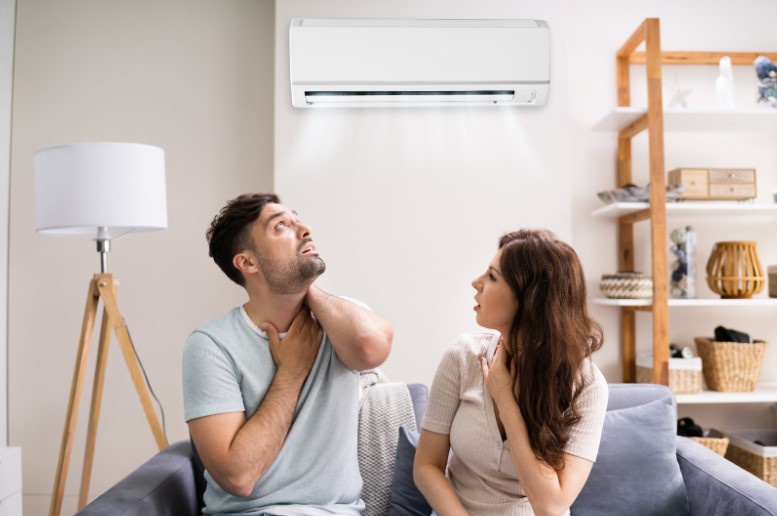
Is your air conditioner not functioning as it should? Are you experiencing issues like a lack of cool air, strange noises, or leaking water? If so, don’t worry! You’re not alone. Air conditioners are complex machines with many components that can fail or malfunction. This guide will walk you through common air conditioner problems and how to troubleshoot them. Make sure to hire a professional air conditioner repair in Cedar Rapids for more serious issues or assistance.

Lack of Cool Air

If your air conditioner is not producing cool air, it could be due to various reasons. The first thing you should check is your thermostat setting. Ensure it is set to “cool” and the temperature is lower than the current room temperature. If the settings are correct, the issue may lie with your filters. Dirty or clogged filters can restrict airflow, making it difficult for your AC unit to cool the air. Clean or replace the filters and see if that solves the problem. If not, there may be an issue with your compressor or refrigerant levels, which will require professional help.

Strange Noises

Unusual noises coming from your air conditioner can indicate a problem. A rattling noise could mean that there is a loose component, such as a bolt or screw, inside the unit. Turn off the power to your AC and inspect the exterior for any visible signs of loose parts. If you cannot find anything, it’s best to call a professional technician to diagnose and fix the issue.

Leaking Water

Water leaks from your air conditioner can indicate a clogged condensate drain line or a frozen evaporator coil. If you notice water pooling around your unit, turn off the power and inspect the drain line for any blockages. If there are no obstructions, it may be due to a faulty condensate pump or a frozen evaporator coil. In this case, it’s best to call for professional help, as attempting to fix these issues yourself can lead to further damage.

Uneven Cooling

If some rooms in your home are cooler than others, it could be a sign that your AC unit is not distributing cool air evenly. Check the vents and make sure they are open and unobstructed. If the issue persists, it may be due to an improperly sized unit or a problem with your ductwork. Contact a professional technician to assess the situation and provide appropriate solutions.

Foul Odors

Foul smells from your air conditioner can be caused by mold or mildew growth inside the unit. This is often due to excess moisture, which can occur if the unit is not properly draining. Clean your AC filters regularly and inspect the drain line for any clogs. If the smell persists, it may be necessary to call a professional to thoroughly clean and sanitize the unit.

Short Cycling

Short cycling occurs when your air conditioner turns on and off frequently without completing a full cooling cycle. This can be caused by a dirty condenser coil, an incorrect thermostat setting, or a faulty compressor. First, clean the condenser coil and check the thermostat settings. If those are not the issues, it’s best to call for professional assistance to diagnose and repair any underlying problems.

In conclusion, troubleshooting common air conditioner problems can be done with a little bit of knowledge and some simple steps. However, it’s always best to call for professional help if you are unsure or uncomfortable handling any issues. Don’t hesitate to call the pros today!

Learn To Choose The Best Wine Fridges

Learn To Choose The Best Wine Fridges

Many wines benefit from age, but storing your greatest bottles in the incorrect conditions can do more harm than good. This is when a wine fridge comes in handy. Wine fridges are meant to keep your wines in the best possible condition for long-term preservation, but how do you choose the appropriate one?

The ideal temperature for wine storage

The ideal temperature for long-term wine preservation is 12-18°C for both red and white wine. Maintaining this temperature without a wine fridge is challenging, and maybe equally important, wine fridges keep this climate consistently.

Temperatures for storing and serving are not the same. Temperature changes can impact the subtle flavors, so let your reds warm slightly and your whites chill before pouring.

Though your reds do not require to be at room temperature to taste their best, and the kitchen fridge is a little too cold to do a decent white justice.

Is it possible to merely utilize a bar fridge?

When shopping for the finest wine fridge, there are more factors to consider than when looking for the best normal fridge. Wine refrigerators differ from regular refrigerators in various ways. They’re designed to keep temperatures consistent between 12°C to 18°C, which is warmer than a standard bar fridge. 

They’re also intended to control humidity (at roughly 70%), which your bar fridge cannot. While a bar fridge can be rough and ready equipment, wine fridges have been created to reduce vibration and come with designed wine shelves.

Thermoelectric OR Compressor

The cooling method of your wine fridge will influence both vibration levels and price. Because of their mechanical character, compressor-type wine refrigerators have higher vibration levels, but they are less expensive than thermoelectric fridges. 

The debate over whether the vibration levels in a compressor-type wine cooler are significant enough to impair the flavor of your wine continues.

Temperatures are also more stable and controlled with thermoelectric refrigerators. While the thermoelectric cooling method is vibration-free, you will still experience some vibration from the fan, but to a much lesser level than with a compressor.

Will you store your wine in your wine fridge or serve it?

Most wine fridges are purchased for long-term cellaring, but if you want to serve directly from your wine fridge, seek one with multiple temperature zones. These usually have a separator between portions that allows you to keep bottles at various temperatures in various regions of the fridge.

Will your wine be displayed or stored?

Consider where you want the wine fridge to go and how much space it will require. Models might be as tiny as 85cm high (to fit under a kitchen bench) or as tall as a full-sized fridge.

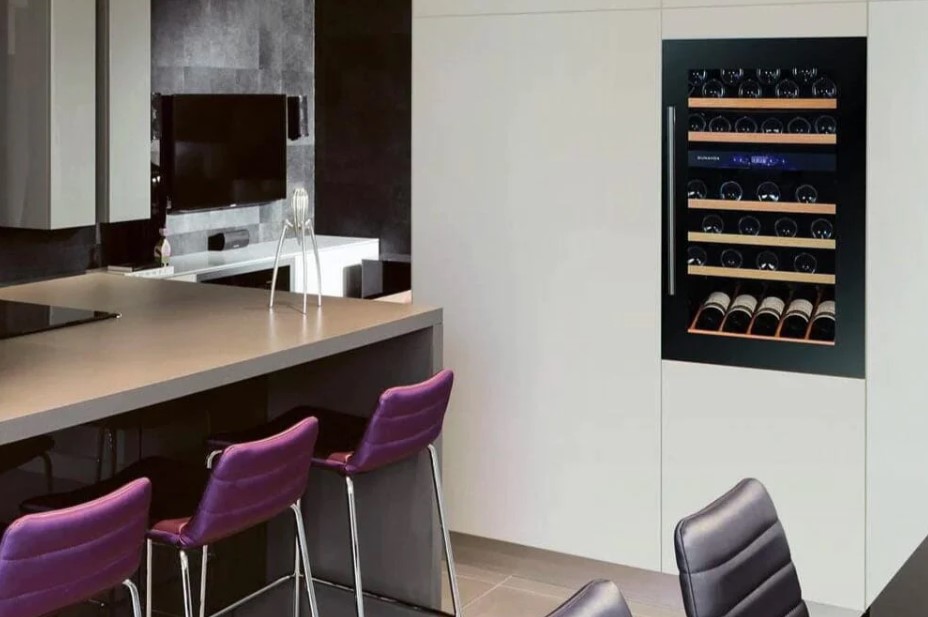
A wine fridge put beneath your benchtop or in your cabinets may be a wonderful focal point if you’re upgrading your kitchen or outdoor gathering area, and there are various varieties that allow for combined installation.

What size do you require?

Wine refrigerators range in size from a few dozen bottles to many cases. Choosing the appropriate capacity refrigerator for your wine collection should be the first step in your decision-making process.

If room and price allow, choose a little larger capacity, because once your wine collection is in your new fridge, you may want to add to it. Of course, before you buy a new refrigerator, be sure it will fit in your home!

Final Remarks

Wine refrigerators range in price and type, from units that cost less than a single case of wine to premium goods that cost several thousand dollars. Price, as with other appliances, is typically determined by size and quality. Aside from capacity, the price you should pay will be determined by the quality of the wines you intend to store and the length of time you intend to store them.