Learn To Choose The Best Wine Fridges

Learn To Choose The Best Wine Fridges

Many wines benefit from age, but storing your greatest bottles in the incorrect conditions can do more harm than good. This is when a wine fridge comes in handy. Wine fridges are meant to keep your wines in the best possible condition for long-term preservation, but how do you choose the appropriate one?

The ideal temperature for wine storage

The ideal temperature for long-term wine preservation is 12-18°C for both red and white wine. Maintaining this temperature without a wine fridge is challenging, and maybe equally important, wine fridges keep this climate consistently.

Temperatures for storing and serving are not the same. Temperature changes can impact the subtle flavors, so let your reds warm slightly and your whites chill before pouring.

Though your reds do not require to be at room temperature to taste their best, and the kitchen fridge is a little too cold to do a decent white justice.

Is it possible to merely utilize a bar fridge?

When shopping for the finest wine fridge, there are more factors to consider than when looking for the best normal fridge. Wine refrigerators differ from regular refrigerators in various ways. They’re designed to keep temperatures consistent between 12°C to 18°C, which is warmer than a standard bar fridge. 

They’re also intended to control humidity (at roughly 70%), which your bar fridge cannot. While a bar fridge can be rough and ready equipment, wine fridges have been created to reduce vibration and come with designed wine shelves.

Thermoelectric OR Compressor

The cooling method of your wine fridge will influence both vibration levels and price. Because of their mechanical character, compressor-type wine refrigerators have higher vibration levels, but they are less expensive than thermoelectric fridges. 

The debate over whether the vibration levels in a compressor-type wine cooler are significant enough to impair the flavor of your wine continues.

Temperatures are also more stable and controlled with thermoelectric refrigerators. While the thermoelectric cooling method is vibration-free, you will still experience some vibration from the fan, but to a much lesser level than with a compressor.

Will you store your wine in your wine fridge or serve it?

Most wine fridges are purchased for long-term cellaring, but if you want to serve directly from your wine fridge, seek one with multiple temperature zones. These usually have a separator between portions that allows you to keep bottles at various temperatures in various regions of the fridge.

Will your wine be displayed or stored?

Consider where you want the wine fridge to go and how much space it will require. Models might be as tiny as 85cm high (to fit under a kitchen bench) or as tall as a full-sized fridge.

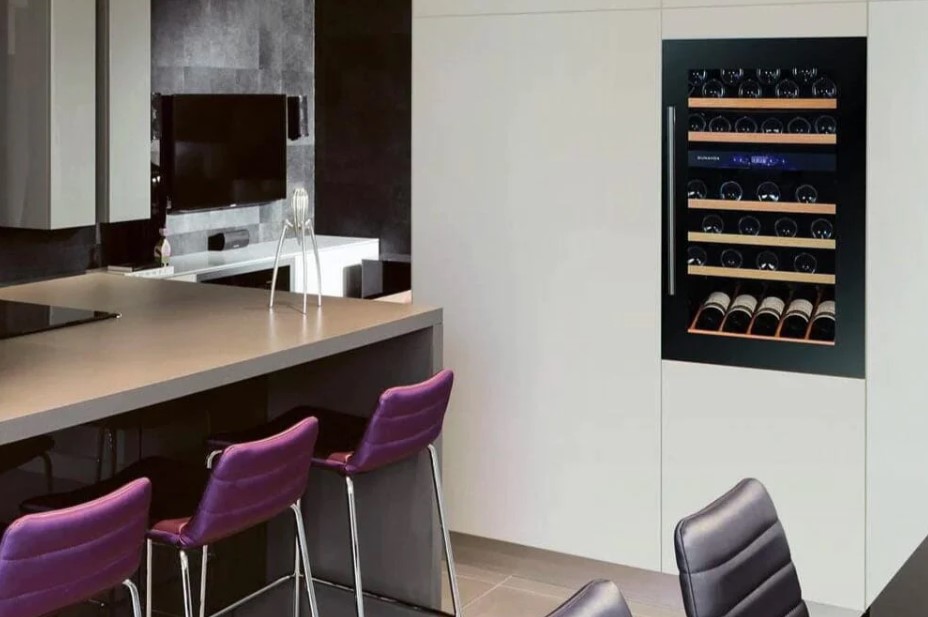
A wine fridge put beneath your benchtop or in your cabinets may be a wonderful focal point if you’re upgrading your kitchen or outdoor gathering area, and there are various varieties that allow for combined installation.

What size do you require?

Wine refrigerators range in size from a few dozen bottles to many cases. Choosing the appropriate capacity refrigerator for your wine collection should be the first step in your decision-making process.

If room and price allow, choose a little larger capacity, because once your wine collection is in your new fridge, you may want to add to it. Of course, before you buy a new refrigerator, be sure it will fit in your home!

Final Remarks

Wine refrigerators range in price and type, from units that cost less than a single case of wine to premium goods that cost several thousand dollars. Price, as with other appliances, is typically determined by size and quality. Aside from capacity, the price you should pay will be determined by the quality of the wines you intend to store and the length of time you intend to store them.

Setting the Perfect Holiday Table: Elegant Christmas Dinner Sets

Setting the Perfect Holiday Table: Elegant Christmas Dinner Sets

Key Takeaways:

  • Choosing the right Christmas dinner set is crucial for creating the perfect table ambiance.
  • Consider factors like size, durability, design, and style when selecting a dinner set.
  • Traditional dinner sets evoke nostalgia, while modern sets bring a contemporary vibe.
  • Materials like porcelain, bone china, stoneware, and glass add elegance to your table.
  • Select a tablecloth that complements your dinner set and consider fabric and size.
  • Create a festive centerpiece using seasonal flowers, greenery, and candles.
  • Experiment with napkin folding techniques to add elegance to your table.
  • Proper napkin placement, utensil placement, and table etiquette are essential for a formal dinner.
  • Personalize your table with DIY decorations, personalized place cards, and festive lighting.

1. Choosing the Perfect Christmas Dinner Set

When it comes to hosting a memorable Christmas dinner, setting the perfect table is essential.  Well-chosen Christmas dinner sets can significantly impact the overall ambiance and aesthetic of your table. However, selecting the right dinner set can be daunting with so many options available. This section will explore the factors to consider when choosing a dinner set, the difference between traditional and modern styles, and the materials that can add elegance to your table.

1.1 Factors to Consider When Selecting a Dinner Set

Before purchasing a Christmas dinner set, it’s essential to consider various factors to ensure it meets your specific needs and preferences. One crucial factor to consider is the size of your dinnerware set. It’s important to choose a set that can accommodate the number of guests you typically host, including extra plates and serving dishes for festive meals. Additionally, consider the durability and practicality of the dinner set. Opt for dishwasher and microwave-safe materials, making it easier to clean up after the festivities.

Another factor to consider is the design and style of the dinner set. Decide on a theme or color scheme that complements your dining room decor or the Christmas theme. Whether you prefer a traditional or modern style, selecting a dinner set that reflects your personal taste will add a unique touch to your holiday table.

1.2 Traditional vs. Modern: Which Style Fits Your Personality?

When choosing a Christmas dinner set, deciding between a traditional or modern style that best suits your personality and the overall ambiance you wish to create is important. Traditional dinner sets often feature classic patterns like holly leaves, Christmas trees, or snowflakes. These designs evoke a sense of nostalgia and create a warm and cozy atmosphere.

On the other hand, modern dinner sets embrace sleek and minimalist designs, often featuring geometric patterns or metallic accents. These sets bring a contemporary and sophisticated vibe to your holiday table, making them perfect for those who prefer a more contemporary aesthetic.

Ultimately, the choice between traditional and modern styles comes from personal preference and the atmosphere you want to create. You can also consider mixing and matching elements of both styles to create a unique and eclectic holiday table setting.

1.3 Materials That Add Elegance to Your Table

The choice of material for your Christmas dinner set can significantly impact the overall elegance of your table. Various materials offer different levels of durability, aesthetic appeal, and maintenance requirements. Here are a few materials known for adding elegance to your holiday table:

  1. Porcelain: Porcelain dinner sets exude sophistication and elegance. Known for its delicate and translucent nature, porcelain provides a refined and luxurious touch to your table setting. It is also durable and can withstand the rigors of daily use.
  2. Bone China: Bone China is a type of porcelain made with the addition of bone ash. It is renowned for its exceptional strength and lustrous appearance. Bone china dinner sets often feature intricate designs and are favored for their luxurious and timeless appeal.
  3. Stoneware: Stoneware dinner sets are known for their rustic and earthy charm. They offer a more casual and relaxed feel than porcelain or bone china, making them ideal for a cozy and laid-back Christmas gathering.
  4. Glass: Glass dinner sets add a touch of elegance and modernity to your holiday table. With their transparent and reflective nature, glass plates and bowls create a visually stunning presentation. They are also versatile and can be paired with various table settings.

When choosing the material for your dinner set, consider the overall style and ambiance you want to create, as well as the practicality of the material in terms of maintenance and durability.

2. Dressing up Your Holiday Table

Once you’ve selected the perfect Christmas dinner set, it’s time to dress up your holiday table to create a festive and inviting atmosphere. From choosing the right tablecloth to creating a centerpiece that wows, this section will guide you through transforming your table into a holiday masterpiece.

2.1 Setting the Foundation: Choosing the Right Tablecloth

A tablecloth is the foundation of your table decor and sets the tone for the entire dining experience. Start by considering the color and pattern that complements your dinner set and the theme you want to convey. Traditional Christmas colors like red, green, and gold are popular choices, but you can also opt for a neutral tablecloth and add pops of holiday colors through other elements.

When choosing a tablecloth, consider the size and shape of your table. Opt for a tablecloth that hangs about 6 to 10 inches over the edge, ensuring it doesn’t interfere with guests’ seating or get caught in their laps. Additionally, select a fabric that suits the formality of your gathering. Crisp and luxurious fabrics like linen or damask are ideal for formal dinners, while cotton or polyester blends are more suitable for casual gatherings.

2.2 Creating a Festive Centerpiece That Wows

A well-designed centerpiece can become the focal point of your holiday table, adding a touch of magic to the ambiance. When creating a Christmas centerpiece, consider incorporating elements that capture the festive spirit and reflect your personal style.

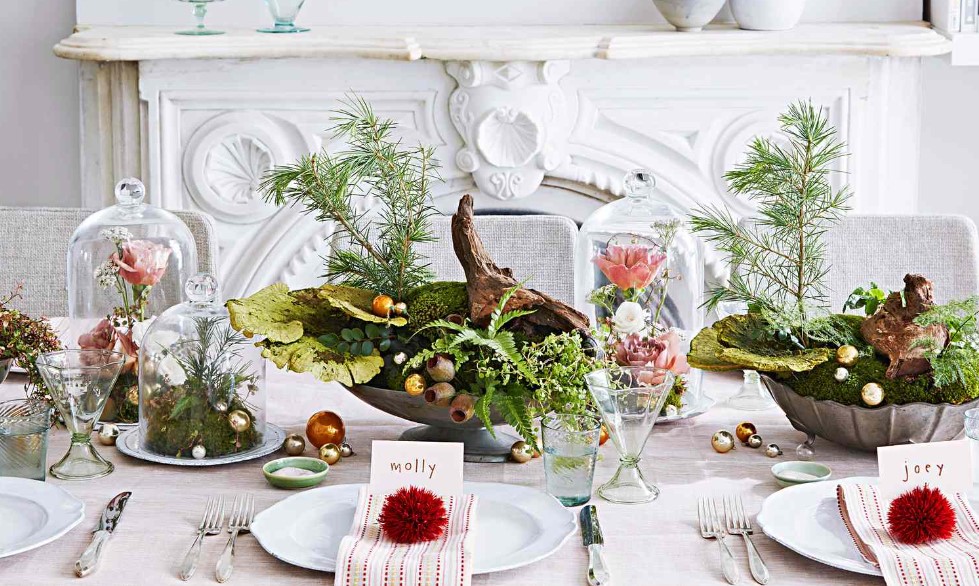
One popular option is a floral centerpiece featuring seasonal flowers and greenery. Arrange blooms such as poinsettias, holly branches, or Christmas roses in an elegant vase or a rustic basket for a traditional touch. Add accents like pinecones, berries, or ornaments to enhance the festive vibe.

If you prefer a non-traditional centerpiece, consider using natural elements like branches, twigs, and evergreen foliage to create a rustic and organic look. Incorporating candles can also add warmth and coziness to your table. Opt for unscented candles in festive colors like gold, silver, or red.

2.3 The Magic of Napkin Folding: Simple Tips and Tricks

Napkin folding is an art that can elevate your table setting and impress your guests. You can transform simple napkins into intricate designs with a little practice and creativity. Here are a few simple napkin folding techniques to add a touch of elegance to your holiday table:

  1. Classic Fan Fold: Lay the napkin flat and accordion-fold it back and forth until it forms a compact rectangle. Secure it in the center with a napkin ring or festive ribbon.
  2. Pocket Fold: Fold the napkin in half diagonally to form a triangle. Fold the bottom corner up to meet the top corner, creating a smaller triangle. Fold the right and left corners of the triangle towards the center, overlapping slightly, to form a pocket.
  3. Christmas Tree Fold: Fold the napkin into a square and then into a triangle. Starting from the bottom, accordion-fold the napkin up towards the top, leaving a small portion at the top unfolded. Fan out the folded portion to create a Christmas tree shape.

Experiment with different napkin folding techniques to find the style that suits your table and dinner set, adding a delightful touch to your holiday decor.

3. Dining Etiquette for a Memorable Christmas Dinner

Apart from creating a visually stunning holiday table, ensuring a memorable dining experience for your guests is essential. This section will guide you through some dining etiquette tips that will help you host a formal and graceful Christmas dinner.

3.1 Napkin Placement and Proper Use

Proper napkin placement is an essential aspect of table etiquette. As a host, you should set an example by placing your napkin on your lap as soon as you sit down. Guests should follow suit, unfolding their napkins and placing them on their laps.

Encourage guests to use their napkins to dab their mouths and hands discreetly throughout the meal. After the meal, leave your napkin semi-folded on the left side of your plate. This signals that you have finished your meal, and the server can clear your place.

3.2 Utensil Placement: A Guide to Formal Table Settings

A formal table setting requires proper placement of utensils to create an elegant and sophisticated look. Here are a few guidelines for utensil placement:

  1. Forks: Place the forks to the left of the dinner plate, with the salad fork on the outer left and the dinner fork closest to the plate.
  2. Knives: Place the knives to the right of the dinner plate, with the blade facing inward. The dinner knife is closest to the plate, followed by the salad knife.
  3. Spoons: Place the spoons to the right of the knives, with the soup spoon outermost and the dessert spoon closest to the plate.

Remember that utensils are used from the outside in, so guests know which fork, knife, or spoon to use for each course. Proper utensil placement adds sophistication to your table setting and ensures a smooth and enjoyable dining experience.

3.3 Hosting with Grace: Tips for Serving and Dining

Hosting a formal Christmas dinner requires not only attention to detail but also grace and hospitality. Here are a few tips to help you host with elegance:

  1. Serving the Food: Serve dishes from the left and remove them from the right. Use serving utensils suitable for each dish, ensuring that they complement your dinner set and table decor.
  2. Seating Arrangement: Plan your seating arrangement thoughtfully, taking into account the dynamics and preferences of your guests. Seat guests strategically, alternating between male and female and balancing personalities to facilitate engaging conversations.
  3. Engage in Polite Conversation: Initiate and participate in polite conversation throughout the meal, ensuring everyone feels included and comfortable. Avoid controversial or sensitive topics and focus on creating a pleasant and festive atmosphere.

By paying attention to these etiquette tips, you can create a memorable and refined dining experience for your guests, leaving a lasting impression.

4. Adding Personal Touches to Your Holiday Table

While elegance and formality are crucial for setting a holiday table, adding personal touches can make the experience even more meaningful and intimate. This section will explore various ways to personalize your holiday table and create a warm and inviting atmosphere.

4.1 DIY Christmas Table Decorations on a Budget

You don’t need to break the bank to create beautiful Christmas table decorations. DIY projects can add a personal and budget-friendly touch to your holiday table. Here are a few ideas to get you started:

  1. Homemade Place Cards: Create custom place cards using craft paper, calligraphy, and festive embellishments like ribbons or pinecones. These personalized place cards add a thoughtful and intimate touch to each guest’s seat.
  2. Nature-inspired Decor: Incorporate elements from nature into your table decor. Collect pinecones, acorns, or branches and spray paint them in festive colors like gold or silver. Display them in a decorative bowl or scatter them around the centerpiece for a rustic and organic look.
  3. DIY Candleholders: Repurpose glass jars or bottles by wrapping them with twine or ribbon. Insert a pillar candle or a tea light to create a cozy and warm ambiance. For an added touch, you can also stencil or paint festive designs on the jars.

4.2 Personalizing Place Cards: A Simple Gesture with a Big Impact

Personalized place cards not only help guests find their seats but also make them feel welcomed and appreciated. Adding a personal touch to each place card can create a warm and intimate atmosphere at your Christmas dinner.

Consider including a short handwritten note or a small keepsake with each place card. This gesture shows your guests that you put thought and effort into making them feel special. Personalized place cards can be simple, yet they significantly impact creating a memorable dining experience.

4.3 Creative Ways to Incorporate Festive Lighting

Festive lighting can enhance the ambiance of your holiday table, creating a warm and inviting atmosphere. Here are a few creative ways to incorporate festive lighting into your table decor:

  1. String Lights: Drape string lights along the center of the table or weave them through the centerpiece for a magical and enchanting glow.
  2. Candle Lanterns: Place pillar candles or tea lights in decorative lanterns or hurricane vases to create an intimate and cozy atmosphere.
  3. LED Candles: If you prefer the look of candles but want a safer option, consider using LED candles. These battery-powered candles provide a soft and warm glow without the risk of fire.

Experiment with different lighting options to find what suits your table decor and creates the desired ambiance for your Christmas dinner.

Setting the perfect holiday table involves carefully considering various elements, from choosing the right dinner set to adding personal touches that make the experience unique. By delving deep into each aspect, you can create a comprehensive guide that will empower readers to host a memorable and elegant Christmas dinner.

FAQ

Question: How do I choose the perfect Christmas dinner set? Answer: When selecting a Christmas dinner set, consider factors like size, durability, design, and style. Choose a set that can accommodate the number of guests you typically host and opt for dishwasher and microwave-safe materials. Select a design and style that complements your dining room decor or the overall Christmas theme.

Question: What is the difference between traditional and modern dinner sets? Answer: Traditional dinner sets feature classic patterns like holly leaves, Christmas trees, or snowflakes, creating a warm and cozy atmosphere. Modern dinner sets embrace sleek and minimalist designs, often with geometric patterns or metallic accents, giving your holiday table a contemporary and sophisticated vibe.

Question: What materials add elegance to a holiday table? Answer: Porcelain, bone china, stoneware, and glass are materials known for adding elegance to a holiday table. Porcelain and bone china provide a refined and luxurious touch, while stoneware offers a rustic and earthy charm. Glass creates a visually stunning presentation and adds a touch of modernity.

Question: How do I choose the right tablecloth for my holiday table? Answer: Choose a tablecloth that complements your dinner set and the overall theme. Consider the size and shape of your table, ensuring the tablecloth hangs about 6 to 10 inches over the edge. Select a fabric suitable for the formality of your gathering, such as linen or damask for formal dinners and cotton or polyester blends for casual gatherings.

Question: How can I create a festive centerpiece for my holiday table? Answer: Create a festive centerpiece using seasonal flowers, greenery, and candles. Arrange blooms like poinsettias and holly branches in an elegant vase or a rustic basket. You can also incorporate natural elements like branches, twigs, and evergreen foliage for a rustic and organic look. Adding candles in festive colors like gold, silver, or red can enhance the warmth and coziness of the centerpiece.

Question: What are some napkin folding techniques I can use? Answer: Some simple napkin folding techniques to add elegance to your table include the classic fan, pocket, and Christmas tree folds. The classic fan fold involves accordion-folding the napkin into a compact rectangle. The pocket fold creates a pocket by folding a triangular napkin. The Christmas tree fold creates a Christmas tree shape by accordion-folding a square napkin.

Question: What are some dining etiquette tips for a formal Christmas dinner? Answer: Proper napkin placement is essential, with guests placing their napkins on their laps throughout the meal and leaving them semi-folded on the left side of their plates after finishing. Utensils should be placed with forks to the left, knives to the right, and spoons to the right of the knives. Serve dishes from the left and remove them from the right. Engage in polite conversation and avoid controversial topics to create a pleasant and festive atmosphere.

Question: How can I personalize my holiday table? Answer: Personalize your holiday table by incorporating DIY decorations like homemade place cards, nature-inspired decor, and DIY candleholders. Create custom place cards using craft paper and embellishments, incorporate natural elements like pinecones and branches, and repurpose glass jars with twine or ribbon for candleholders. Additionally, consider adding personal touches to the place cards with handwritten notes or small keepsakes and incorporating festive lighting with string lights, candle lanterns, or LED candles.

Useful Resources:

  • The Spruce – Provides tips and guides on home decor, including setting the perfect holiday table.
  • Real Simple – Offers ideas and inspiration for hosting holiday dinners and creating beautiful table settings.
  • Better Homes & Gardens – Features articles and tutorials on home decorating, entertaining, and tablescapes.
  • Country Living – Provides tips, DIY projects, and inspiration for creating a cozy and festive holiday table.
  • Martha Stewart – Offers a variety of resources on entertaining, including table setting ideas and DIY projects.
  • YouTube – Offers video tutorials on table setting, napkin folding techniques, and holiday table decorations.
  • Etiquette Scholar – Provides information on proper table manners and dining etiquette for formal dinners.
  • House Beautiful – Offers tips and inspiration for creating stylish and elegant holiday table settings.

Problems Your Home Survey Might Find


Problems your home survey might find

Getting a home survey is often an underestimated step in the homebuying journey. 

After the initial excitement of finding a potential dream home, the process of understanding its structural and functional integrity begins. 

A home survey offers peace of mind by unveiling any lurking issues in your would-be residence. Here’s why obtaining a home survey and a list of the common problems that might emerge is paramount.

What is a home survey?

A home survey is a comprehensive inspection conducted by a professional – usually a chartered surveyor, like GB Home Surveys – to assess the condition of a property. 

Think of it as a health check for homes. While outward appearances might be deceiving, a home survey delves deeper, scrutinising visible and underlying issues to provide a detailed report on the property’s condition.

The home survey report becomes a valuable tool for the buyer, equipping them with knowledge, which is imperative when making one of the most significant financial decisions of their life. 

Whether renegotiating the property’s price, understanding potential future repairs or deciding if the investment is worth it, a home survey is an indispensable guide.

The importance of getting a home survey

With a comprehensive understanding of the property’s condition, you can decide with clarity whether to proceed with the purchase, renegotiate the offer or look for a different property.

A home survey can flag potential repairs and maintenance you’ll need to undertake. This insight is vital in budgeting and negotiating the home’s price.

Above all, your new home should be a safe haven. A home survey ensures no hidden dangers lurk within its walls, floors or foundations.

Common problems uncovered by home surveys

Many homes have issues, either obvious or hidden, that can affect their value and cause problems later down the line. Some of the most common problems a home survey aims to uncover include: 

  • Damp: One of the most frequently encountered problems is damp. Whether it’s rising damp from the ground, penetrating damp from external walls or condensation-related issues, damp can lead to mould growth and structural damage if left unchecked.
  • Structural integrity: Any signs of a building having shifted on its foundations, such as bulging walls or cracks, can be a significant concern. Causes range from tree roots and subsidence to inadequate structural repairs.
  • Roof problems: Roofs have a lifespan. From missing tiles, sagging or wear and tear to more severe issues like woodworm in roof timbers, roofing issues can lead to water ingress and substantial repair costs.
  • Faulty wiring: Outdated or subpar electrical systems are expensive to fix and can also be a fire hazard. A home survey can highlight areas needing an electrical overhaul.
  • Poor insulation: Inadequate insulation can lead to escalating heating bills. If a home is not sufficiently insulated, it’s essential to know upfront to prepare for higher energy costs or the expense of adding insulation.
  • Plumbing and drainage issues: Old or faulty plumbing can result in low water pressure, leaks or even the risk of pipe bursts. Moreover, drainage issues can lead to damp or, in severe cases, structural damage.
  • Woodworm, rot and infestations: While woodworm holes might look harmless, they can compromise the structural integrity of the timber. Similarly, rot, if unchecked, can damage wooden structures. Infestations, whether rodents or insects, can pose hygiene concerns and potential structural issues.
  • Windows and doors: Inefficient sealing or outdated single glazing can lead to heat loss. Problems with window frames, such as rotten wood, can also lead to future expenses.
  • Asbestos: Asbestos, particularly in older properties, can be a significant concern due to the health risks associated with its fibres. Identifying and safely removing asbestos is vital.
  • Legal issues: A home survey can highlight boundary disputes, rights of way issues or problems with planning permission and building regulations. While not physical issues, these can become significant hurdles in the homebuying process.

Why you need a home survey

Unveiling the secrets that a home might be hiding is crucial for every prospective buyer. 

While a property might appear perfect during a viewing, underlying issues can turn a dream home into a financial and emotional nightmare. It’s like peeling an onion; each layer might reveal something new. 

This is where a home survey becomes invaluable. By understanding potential problems beforehand, you’re in a position of knowledge and power. 

You can make a well-informed decision, negotiate a better price, or set aside funds for future repairs. It’s always better to tread with caution and insight, ensuring your investment is sound for years to come.

The Common Options for Commercial Air Conditioning

The Common Options for Commercial Air Conditioning

Cooling or heating a commercial space is a very different proposition to air conditioning a standard home.

There’s size to consider, available air conditioning technology to factor in, and the cost of maintaining climate control within a commercial stetting.

Here’s a rundown of the common options available when it comes to commercial air conditioning

Chilled water systems

Suited to very large commercial spaces like factories, shopping centres, and airports, chilled water systems use water as a secondary refrigerant.

This water is cooled by refrigerant then piped through each room to lower the temperature. Known as versatile and efficient, chilled water systems are excellent at cooling large, open commercial spaces, but they do come at a cost in terms of installation.

Variable refrigerant flow (VRF) systems

Common in locations like hospitals, schools, office blocks and hotels, variable refrigerant flow systems allow individual areas to be heated and cooled separately.

The technology employs one outdoor unit to control multiple indoor units, and the term variant refrigerant flow refers to their ability to control the flow of refrigerant to each of these indoor units.

VRF is renowned for its excellent controllability and efficiency, and can boast significant energy (and cost) savings when compared to traditional units.

It also features superior dehumidification ability.

Large split ducted systems

Large split ducted systems work in much the same way as the ducted systems utilised in homes. They utilise one exterior unit to channel heat or cold through ducted piping to specific zones.

Ducted split systems allow users to control areas of an office or building, switching these zones off when not in use.

These systems are renowned as extremely quiet and also offer excellent air quality.

Split systems and multi-split systems

Split air conditioning systems are generally employed in commercial settings where one specific area or just a couple of areas need to be cooled.

They are generally more suited to small offices and restaurants rather than large commercial premises. Split systems and multi-split systems work in much the same way as standard home air-conditioning where individual units are installed to heat or cool individual areas.

This offers the ability to only use the air conditioner when required and to utilise each system to heat or cool to a different extent.

So, for example, in a small restaurant, one air conditioner might be used to cool the front of house, while a second air conditioner in the kitchen might be set to a lower temperature to keep kitchen staff cool.

Which system?

Each commercial space is different, and when it comes to deciding which system would best suit your needs, you should seek the advice of a reputable commercial air conditioning installer who can assess the building and devise a system that best suits your needs.

About Climacool

Servicing the greater Sydney region, Climacool Air Conditioning prides itself on superior service and quality workmanship.

We work with the leading brands in the field of heating and cooling, and have an enviable reputation for meeting the needs of our valued commercial clientele in air conditioning installation, service, and repairs.

You can learn more about our commercial services here, or contact us directly for assistance in selecting, installing and maintaining the right air conditioning system for your business.

Securing Your Investment: Why Home Buyers in London Should Opt for CCTV Drain Surveys

Securing Your Investment: Why Home Buyers in London Should Opt for CCTV Drain Surveys

The Hidden Imperative: Unveiling the Importance of CCTV Drain Surveys for London Home Buyers

For prospective home buyers in the vibrant city of London, the excitement of finding the perfect property can often overshadow the importance of thoroughly assessing the unseen aspects that lie beneath the surface. While architectural charm, location, and interior aesthetics are critical factors, it’s equally vital to delve into the less glamorous but essential elements that safeguard your investment. One such element that demands attention is the drainage system, and this is where the significance of CCTV drain surveys comes into play.

Beneath the Facade: Unseen Vulnerabilities

London’s historic and diverse neighbourhoods house an array of properties, each with its unique charm and character. However, the aging infrastructure that often accompanies these properties can lead to hidden vulnerabilities, especially within their drainage systems. Over time, drainage systems can face numerous challenges, including:

  • Blockages: Accumulated debris, grease, and even tree roots can obstruct the smooth flow of wastewater, leading to backups, foul odours, and potential health hazards.
  • Structural Deterioration: Age, wear and tear, and harsh weather conditions can cause pipes to weaken, crack, or collapse, potentially resulting in property damage and costly repairs.
  • Leakage and Infiltration: Undetected leaks can erode the foundation, damage property, and contribute to mould growth, posing both financial and health risks.
  • Long-Term Resilience: Understanding the current state of the drainage system is essential for predicting its long-term resilience against potential challenges.

The Power of CCTV Drain Surveys

CCTV drain surveys London are a technological solution that enables home buyers to gain a comprehensive understanding of the hidden drainage system before making a purchase. These surveys utilize high-resolution cameras mounted on robotic crawlers to navigate the underground network, capturing real-time footage of its interior conditions. This process allows potential buyers to assess the health of the drainage system and make informed decisions based on accurate information.

The Survey Process

The process begins with the insertion of the camera-equipped crawler into the drains. As it moves through the pipes, it captures clear visuals of the interior conditions. The footage is transmitted to technicians above ground, who analyse the images for signs of blockages, leaks, structural issues, and more. This immediate insight empowers buyers to address potential problems before they become costly headaches.

Empowering Home Buyers

CCTV drain surveys are not merely an optional add-on to the home buying process; they are a crucial investment in ensuring the long-term viability and value of your property. Here’s how these surveys empower home buyers:

  • Informed Decision-Making: A clear understanding of the drainage system’s condition allows buyers to make informed decisions, factoring potential repairs and maintenance into their purchase choices.
  • Prevention Over Cure: Identifying issues prior to purchase enables buyers to negotiate repairs or ask for adjustments in the sale price, saving money in the long run.
  • Property Value Protection: A documented record of drainage system health is valuable for preserving the property’s value over time.
  • Peace of Mind: Knowing that the drainage system is in good condition provides peace of mind, reducing potential future stress and uncertainty.

Stay tuned as we uncover how embracing technology can empower London home buyers to secure their investments and make informed choices for a prosperous future.

Empowering Smart Choices: The Technical Marvels and Broader Benefits of CCTV Drain Surveys

We have uncovered the hidden vulnerabilities within drainage systems and the need for thorough assessments before making a purchase. Now, let’s dive deeper into the technical intricacies of CCTV drain surveys and the wider benefits they offer to prospective property buyers.

The Technology Behind the Scenes

CCTV drain surveys are a testament to the fusion of technology and expertise, offering an invaluable peek into the hidden world of drainage systems. Here’s a closer look at the technological elements that drive these surveys:

  1. High-Resolution Cameras: The core of any CCTV survey lies in its high-resolution cameras. These cameras are equipped with powerful LED lights that enable them to capture clear visuals of the interior conditions of the drains.
  2. Remote Navigation: The use of robotic crawlers with mounted cameras is a game-changer. These crawlers can be remotely controlled to navigate the twists and turns of the pipes, capturing detailed imagery even in the most inaccessible areas.
  3. Real-Time Insight: The real-time transmission of footage allows technicians to monitor the survey as it unfolds. This immediate access to information enables quick assessments and the identification of potential issues on the spot.
  4. Expert Analysis: The captured footage is then analysed by drainage experts who can detect a range of issues, from blockages to structural damage. This analysis provides a comprehensive evaluation of the drainage system’s health.

Wide-Ranging Benefits

Beyond the technical details, CCTV drain surveys offer a host of advantages that make them a wise investment for home buyers:

  • Holistic Property Evaluation: Conducting a CCTV survey provides a more comprehensive property evaluation, considering both the visible and hidden aspects of the property’s condition.
  • Informed Negotiations: Armed with knowledge about the drainage system’s health, home buyers can negotiate with sellers to account for potential repairs or adjustments in the sale price.
  • Preventive Measures: Addressing drainage issues before they escalate prevents future disruptions and saves money that would otherwise be spent on extensive repairs.
  • Property Value Preservation: Maintaining a healthy drainage system contributes to preserving the value of the property over time.
  • Future Planning: Understanding the condition of the drainage system enables buyers to plan for potential maintenance, repairs, or upgrades in the future.
  • Peace of Mind: Knowing that you’re making a well-informed decision provides peace of mind, eliminating the stress and uncertainty that can arise from unexpected drainage problems.

An Informed Path Forward

As we conclude our blog the pivotal role of CCTV drain surveys in aiding London home buyers becomes evident. These surveys empower buyers to go beyond the surface and make informed choices that protect their investments for years to come. By embracing technology to uncover hidden vulnerabilities, prospective property owners can embark on their homeownership journey with confidence and clarity.